![The Anatomy Lecture Of Dr. Nicolaes Tulp [1632] — Rembrandt Van Rijn](/media/artworks/images/thumbnails/12/01/1201b3f0503f4444b89f31dad3941765.jpg)

Introduction
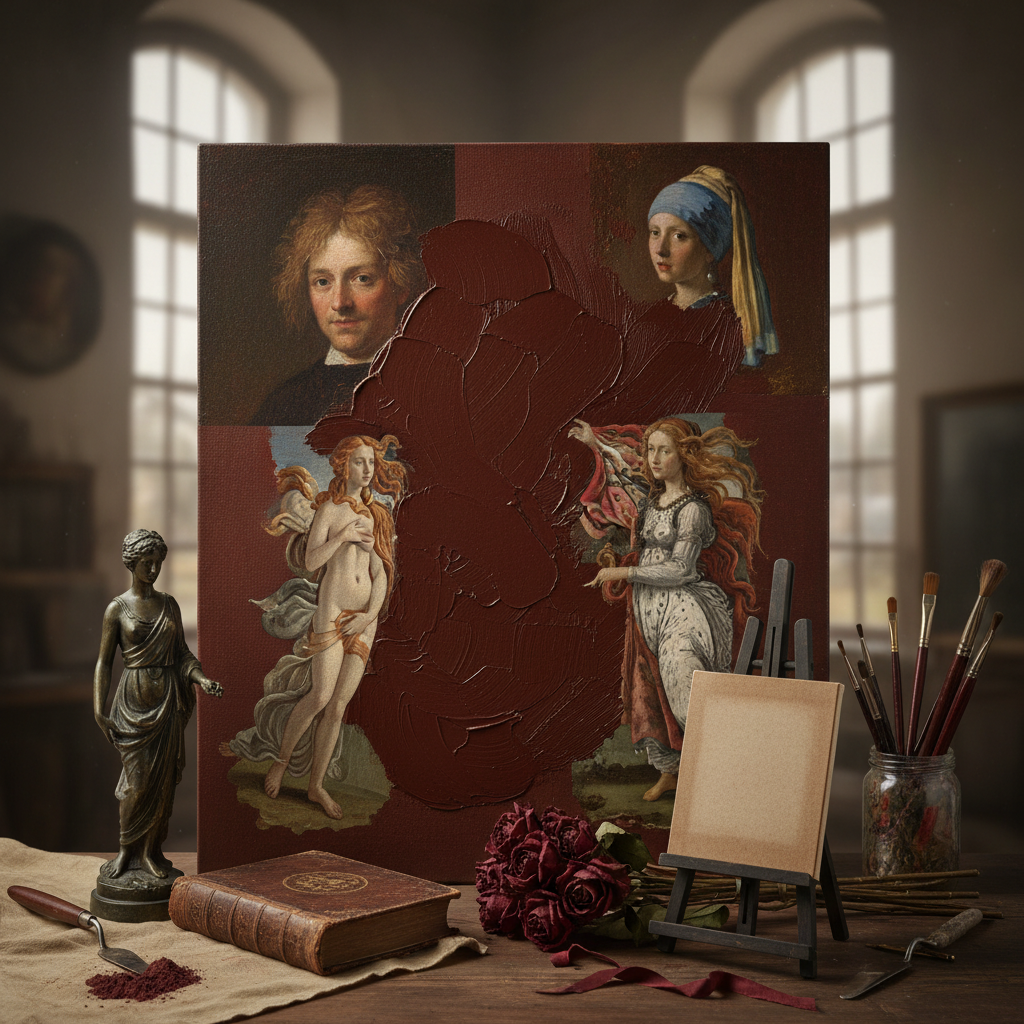
There’s a peculiar power held within the shadows, a somber beauty that transcends mere darkness. It's a quality often embodied by 'caput mortuum,' a pigment historically derived from iron oxide – literally, ‘dead head.’ While its name evokes mortality, the tones it yields—deep reds, browns, purples, and blacks—have captivated artists for centuries, lending depth, drama, and an almost unsettling realism to their canvases. This isn’t simply about color; it's about a mood, a feeling of introspection, a confrontation with the ephemeral nature of existence.
The use of caput mortuum wasn’t accidental. Emerging in medieval times as a readily available earth pigment, its adoption coincided with a growing fascination with realism in painting, particularly within religious iconography where it was used to depict flesh tones and shadows with unprecedented accuracy. As art evolved through the Renaissance and Baroque periods, masters like Titian and Rembrandt skillfully employed caput mortuum to create chiaroscuro effects—the dramatic interplay of light and shadow—that imbued their works with a profound sense of emotional weight. The pigment’s association with decay and the passage of time also resonated deeply within still life painting, where it served as a potent memento mori , reminding viewers of life's fragility.
But these paintings aren’t merely historical artifacts. They continue to resonate today because they tap into universal human experiences—loss, grief, contemplation, and the search for meaning in a world marked by impermanence. The artists who wielded caput mortuum weren't just depicting scenes; they were exploring the very essence of what it means to be alive, and their works invite us to do the same.
Prepare to journey through ten iconic paintings where 'caput mortuum' isn’t just a color, but a defining element—a silent storyteller that whispers tales of history, emotion, and the enduring power of art. We will explore how these masters harnessed its unique qualities to create works that continue to move and inspire generations.
The kiss - Gustav Klimt
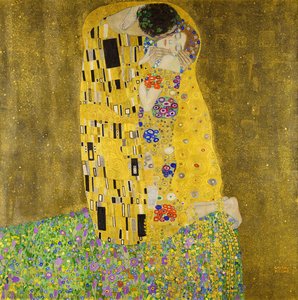 The kiss - Gustav Klimt
A golden silence descends upon Gustav Klimt’s The Kiss , a timeless embrace frozen in an exquisite moment of intimacy and spiritual yearning.
Immortalized among the Top 10 for its unparalleled balance of beauty, emotion, and innovation, this masterpiece transcends eras with its opulent detail and profound symbolism. While celebrated for its shimmering gold leaf—a technique Klimt perfected during his ‘Golden Phase’—it is the subtle undercurrents of 'caput mortuum' that lend depth and gravity to the scene. Look closely: within the rich floral meadow beneath the couple, and even in the shadows defining their forms, you’ll find those deep reds and browns grounding the ethereal composition.
The contrast is striking—the radiant gold representing divine connection, offset by the earthier tones hinting at human fragility. This interplay creates a captivating tension, reminding us that even within the most transcendent love, there exists an awareness of mortality. The geometric patterns adorning the man’s robe and the flowing floral motifs on the woman's dress further emphasize this duality—masculine strength balanced by feminine grace.
Today, The Kiss continues to inspire a sense of calm and sophistication in modern interiors. Its harmonious composition and rich textures evoke feelings of warmth, intimacy, and enduring love, offering a sanctuary from the chaos of contemporary life. It’s a testament to Klimt's genius—a painting that speaks not just to the eye, but to the soul.
Nighthawks, The Art Institute of Chicago, Chica - Edward Hopper
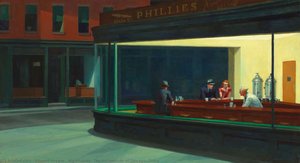 Nighthawks, The Art Institute of Chicago, Chica - Edward Hopper
A hushed stillness hangs over a late-night diner, illuminated by an artificial glow—this is Edward Hopper’s Nighthawks , a painting that has become synonymous with the quiet anxieties of modern life.
Included among the Top 10 for its masterful depiction of urban alienation and enduring emotional resonance, Nighthawks reveals a subtle yet powerful use of 'caput mortuum' tones. While celebrated for its stark realism and dramatic lighting, it’s the deep reds and browns subtly woven into the wood paneling of the diner, the shadows clinging to the empty streets, that ground the scene in a sense of melancholy and isolation.
Hopper’s meticulous brushwork and geometric composition emphasize both connection and separation. The large glass window acts as a barrier, isolating the figures within from the darkness outside, while the warm interior light offers only a fleeting refuge. These earth tones aren't merely aesthetic choices; they evoke a sense of weariness, reflecting the anxieties of wartime America—a nation grappling with uncertainty and loss.
Today, Nighthawks continues to resonate in contemporary spaces, reminding us that even amidst bustling cityscapes, moments of quiet solitude are inevitable. Its timeless presence speaks to the enduring human need for connection, and its subtle use of 'caput mortuum' tones adds a layer of depth and emotional complexity that transcends eras.
Christina's World - Andrew Newell Wyeth
 Christina's World - Andrew Newell Wyeth
A profound sense of longing emanates from a windswept field—this is Andrew Wyeth’s Christina's World , a painting that has captured the hearts and imaginations of generations.
Included among the Top 10 for its poignant depiction of isolation and resilience, this masterpiece reveals a subtle yet powerful use of 'caput mortuum' tones. While celebrated for its meticulous realism and evocative atmosphere, it’s the deep browns and ochres that ground the scene in a sense of melancholic beauty—the weathered grasses, the distant farmhouse, the very earth itself.
Wyeth’s masterful use of egg tempera allows for precise layering and a luminous quality, evident in the subtle gradations of color across the landscape. These earthy tones aren't merely descriptive; they evoke a sense of vulnerability, reflecting Christina Olson’s physical limitations yet simultaneously suggesting an unwavering connection to her beloved land.
Today, Christina's World continues to resonate in contemporary spaces, reminding us of the enduring human capacity for hope and perseverance. Its timeless presence speaks to our shared experiences of longing, isolation, and the search for belonging, transforming any space into a sanctuary for quiet contemplation.
Whaam! - Roy Lichtenstein
 Whaam! - Roy Lichtenstein
An explosive burst of color and sound—this is Roy Lichtenstein’s Whaam! , a defining moment of Pop Art that continues to resonate with its raw energy and bold commentary.
Included among the Top 10 for its revolutionary appropriation of comic book aesthetics, this masterpiece reveals a surprising use of 'caput mortuum' tones. While celebrated for its vibrant palette and Ben-Day dot system, it’s the deep reds—the fiery explosions, the subtle shadows within the aircraft—that ground the scene in a sense of dramatic intensity.
Lichtenstein meticulously recreated the techniques of commercial printing, transforming traditionally lowbrow imagery into fine art. These earthy tones aren't merely stylistic choices; they evoke a sense of detachment and immediacy, reflecting the stylized representation of violence prevalent in mid-20th century American culture.
Today, Whaam! continues to inspire a sense of excitement and contemplation in contemporary spaces. Its timeless presence speaks to our fascination with media, technology, and the enduring power of visual storytelling, transforming any space into a vibrant sanctuary for thought and expression.
Self-Portrait with Two Circles - Rembrandt van Rijn
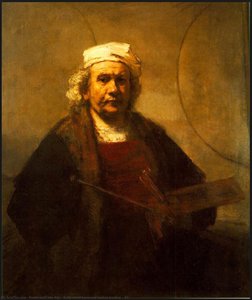 Self-Portrait with Two Circles - Rembrandt van Rijn
A gaze meets yours across centuries—this is Rembrandt’s Self-Portrait with Two Circles , a deeply personal meditation on artistry and the passage of time.
Included among the Top 10 for its profound emotional resonance and masterful technique, this self-portrait reveals a subtle yet powerful use of 'caput mortuum' tones. While celebrated for its dramatic chiaroscuro—the interplay of light and shadow—it’s the deep browns and reds that ground the scene in a sense of somber introspection.
Rembrandt’s signature layering of paint, or impasto, creates a rich tapestry of texture and tone. These earthy tones aren't merely descriptive; they evoke a sense of vulnerability, reflecting the artist’s personal hardships and unwavering dedication to his craft. The indistinct circular shapes—perhaps canvases—hint at the cyclical nature of artistic creation.
Today, Self-Portrait with Two Circles continues to inspire quiet contemplation in contemporary spaces. Its timeless presence speaks to our shared experiences of aging, loss, and the search for meaning, transforming any room into a sanctuary for reflection and creative thought.
Abstract Painting 805-4 - Gerhard Richter
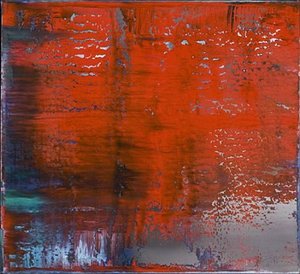 Abstract Painting 805-4 - Gerhard Richter
A fiery energy pulses from Gerhard Richter’s Abstract Painting 805-4 , a captivating exploration of color and texture that transcends the boundaries of representation.
Included among the Top 10 for its innovative approach to abstract expressionism, this work reveals a subtle yet powerful use of 'caput mortuum' tones. While celebrated for its vibrant palette—a symphony of reds, oranges, and browns—it’s the deep earthiness that grounds the scene in a sense of raw emotion.
Richter’s masterful layering of paint creates a tactile surface, almost three-dimensional in its complexity. These earthy tones aren't merely aesthetic choices; they evoke a sense of passion and intensity, inviting viewers to lose themselves within the dynamic composition. The absence of a clear focal point allows for personal interpretation, fostering a deeply engaging experience.
Today, Abstract Painting 805-4 continues to inspire contemporary design sensibilities—its bold colors and energetic atmosphere adding warmth and sophistication to any space. Its timeless presence speaks to our enduring fascination with color, texture, and the power of abstract expressionism.
Henry Ford Hospital - Frida Kahlo
 Henry Ford Hospital - Frida Kahlo
Unveiled with a hushed reverence, Frida Kahlo’s Henry Ford Hospital is a rare and profoundly moving exploration of personal suffering—a testament to the artist's courage in confronting reproductive grief.
Included among the Top 10 for its groundbreaking emotional intelligence and surrealist vision, this work reveals a subtle yet powerful use of 'caput mortuum' tones. While celebrated for its vibrant blues and symbolic imagery, it’s the deep earthy browns—the muted palette grounding the floating figures and anatomical details—that lend the scene an unsettling weight.
Kahlo’s masterful layering of paint creates a dreamlike atmosphere, blending realistic elements with fantastical symbolism. These earthy tones aren't merely descriptive; they evoke a sense of vulnerability and raw emotion, inviting viewers to confront themes of loss, resilience, and the complexities of the human condition.
Today, Henry Ford Hospital continues to resonate in contemporary spaces, adding depth and sophistication to refined interiors. Its timeless presence speaks to our shared experiences of pain and healing, transforming any room into a sanctuary for contemplation and emotional connection.
Autumn Leaves - Sir John Everett Millais
 Autumn Leaves - Sir John Everett Millais
Bathed in the soft glow of twilight, a quiet scene unfolds—this is Sir John Everett Millais’ Autumn Leaves , a captivating portrayal of childhood joy and the fleeting beauty of nature.
Included among the Top 10 for its serene atmosphere and masterful use of light, this work reveals a subtle yet powerful use of 'caput mortuum' tones. While celebrated for its rich color palette—the warm browns and muted yellows of the fallen leaves—it’s the deep earthiness that lends the scene an enduring sense of nostalgia.
Millais’ skillful layering of paint creates a tactile surface, almost inviting you to reach out and gather the leaves yourself. These earthy tones aren't merely descriptive; they evoke a sense of tranquility and connection with the natural world, reminding us of simpler times and cherished memories.
Today, Autumn Leaves continues to inspire calm and sophistication in contemporary spaces. Its timeless presence speaks to our shared experiences of childhood innocence and the beauty of fleeting moments, transforming any room into a sanctuary for reflection and emotional connection.
The Veteran in a New Field - Winslow Homer
 The Veteran in a New Field - Winslow Homer
Imagine standing amidst a vast field of golden wheat, the sun warm on your back—this is the quiet power of Winslow Homer’s The Veteran in a New Field , a poignant reflection on postwar America and the enduring spirit of those who returned from battle.
Included among the Top 10 for its masterful blend of realism and subtle symbolism, this work reveals a delicate use of 'caput mortuum' tones. While celebrated for its warm yellows and blues, it’s the deep earthiness—the muted greens and browns of the field—that lend the scene an enduring sense of contemplation.
Homer’s skillful brushwork captures the textures of the wheat and the solitude of the veteran, inviting us to connect with his experience. These earthy tones aren't merely descriptive; they evoke a sense of peace and resilience, reminding us of the cyclical nature of life and labor.
Today, The Veteran in a New Field continues to inspire calm and reflection in contemporary spaces. Its timeless presence speaks to our shared experiences of loss, healing, and the enduring connection between man and nature, transforming any room into a sanctuary for quiet contemplation.
Florinda - Franz Xaver Winterhalter
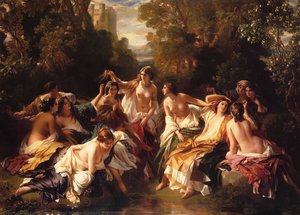 Florinda - Franz Xaver Winterhalter
Step into a world of refined elegance and sun-dappled beauty with Franz Xaver Winterhalter’s Florinda , a captivating scene that whispers tales of camaraderie and celebration. This painting isn't merely a depiction of figures in nature; it’s an embodiment of the Romantic spirit, capturing a fleeting moment of joy against a backdrop of lush tranquility.
Included among the Top 10 for its masterful composition and subtle use of 'caput mortuum' tones, this work reveals a delicate balance between realism and idealized beauty. While celebrated for its vibrant colors, it’s the deep earthiness—the warm browns and golds that bathe the figures in a golden light—that lend the scene an enduring sense of warmth.
Winterhalter’s skillful brushwork captures the textures of skin and fabric, inviting us to connect with the intimacy of the gathering. These earthy tones aren't merely descriptive; they evoke a sense of peace and connection, reminding us of the simple pleasures in life.
Today, Florinda continues to inspire elegance and sophistication in contemporary spaces. Its timeless presence speaks to our shared desire for beauty and community, transforming any room into a sanctuary for quiet contemplation and refined living.
Conclusion
As the light fades on these ten remarkable canvases, we’re reminded that masterpieces are not simply relics of a distant past—they are living echoes of human experience, capable of stirring emotions and igniting imaginations across centuries. Each brushstroke, each carefully chosen hue, speaks to our shared longing for beauty, connection, and meaning.
The subtle power of 'caput mortuum,' the earth-toned richness that anchors these works, reveals a deeper truth: art’s enduring strength lies in its ability to connect us to something timeless. These paintings are not just windows into history; they are mirrors reflecting our own souls.
At , we believe this connection should be accessible to all. Our skilled artists dedicate themselves to honoring the spirit and detail of these iconic works, transforming them into hand-painted reproductions that breathe new life into your spaces. To explore the full spectrum of color and emotion—and perhaps discover a piece that resonates with your own heart—we invite you to browse our full collection .
May these paintings continue to inspire, challenge, and move you for years to come. And may the quiet beauty of 'caput mortuum' remind us that even in darkness, there is always a glimmer of warmth and hope.