


The Science of Serenity: Understanding Biophilic Design Principles
For millennia, humanity existed in intimate communion with the natural world. Our ancestors found shelter within forests, drew sustenance from the land, and oriented their lives around the rhythms of sun and season. This deep-seated connection isn’t merely a nostalgic yearning; it's woven into the very fabric of our being – a concept biologist E.O. Wilson termed “biophilia,” the innate human affinity for life and living systems. In recent decades, this understanding has blossomed into biophilic design, an architectural and interior philosophy that seeks to re-establish this vital link between people and nature within the built environment. It’s more than simply adding a potted plant; it's about creating spaces that resonate with our evolutionary past, fostering well-being through intentional integration of natural elements.
The core tenets of biophilic design revolve around three primary categories: direct experience of nature – sunlight, fresh air, water features, living plants; indirect experience – utilizing natural materials like wood and stone, evoking natural colors and patterns; and space and place conditions – optimizing spatial configurations to mimic the openness and complexity found in natural landscapes. Consider the ancient Roman baths, strategically positioned near thermal springs and bathed in natural light, or traditional Japanese gardens designed to evoke miniature ecosystems. These weren’t accidental choices; they were deliberate attempts to harness the restorative power of nature. Modern wellness centers are increasingly recognizing this wisdom, moving beyond sterile environments towards spaces that prioritize sensory engagement with the natural world. The open-plan layouts often favored in contemporary spa design, for example, echo the expansive vistas found in natural settings, promoting a sense of freedom and tranquility.
Research consistently demonstrates the profound psychological benefits of biophilic design: reduced stress hormones, improved cognitive function, increased creativity, and enhanced immune system response. These aren’t merely anecdotal observations; they are supported by neurological studies revealing that exposure to natural elements activates areas of the brain associated with relaxation and positive emotion.
Color & Mood in Wellness Spaces: A Psychological Exploration
While biophilic design establishes a foundational connection to nature, the subtle nuances of color wield immense power in shaping our emotional responses within these spaces. Color psychology, a field deeply rooted in both art history and neuroscience, reveals that certain hues consistently evoke feelings of calm and tranquility. Blues and greens, mirroring the vastness of the ocean and the lushness of forests, are often associated with relaxation, peace, and rejuvenation. Earthy tones – browns, beiges, and grays – provide a sense of grounding and stability, connecting us to the solid foundations of the natural world.
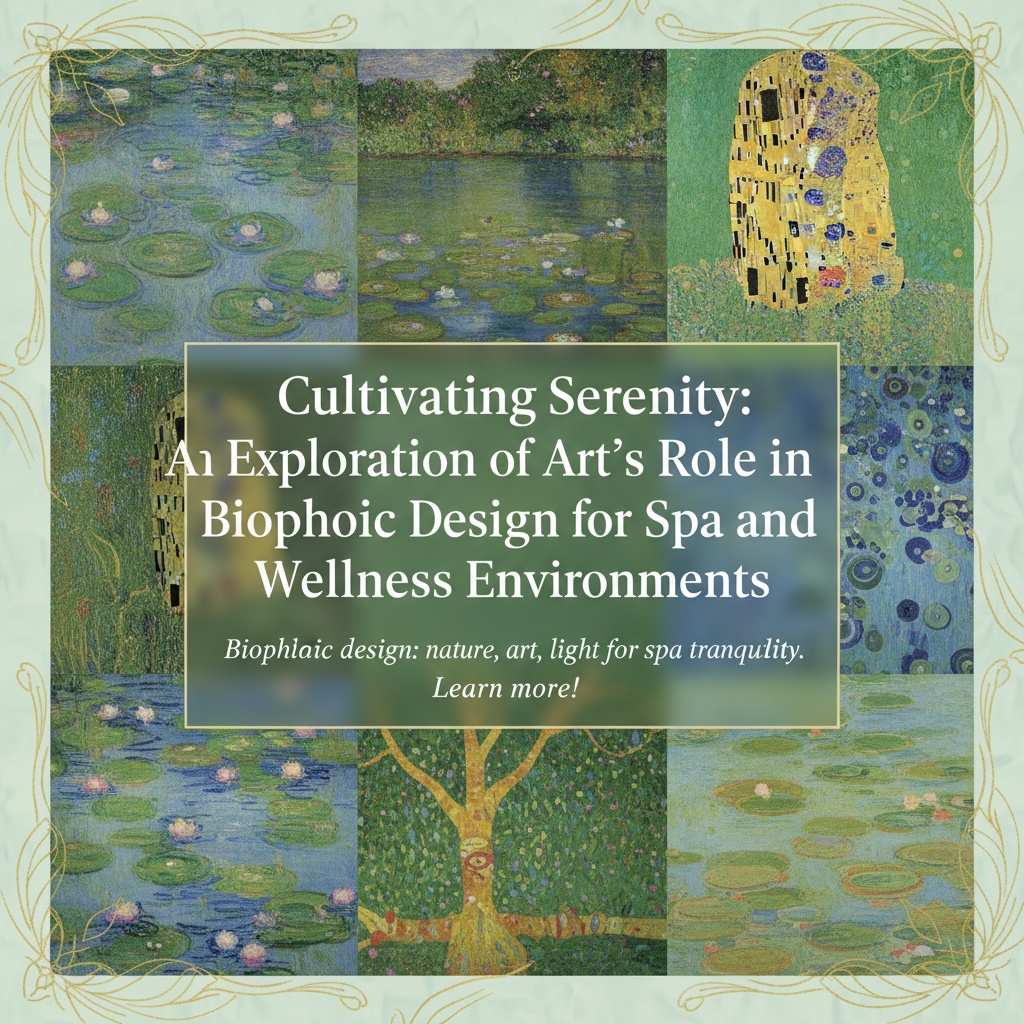
However, effective color application transcends simple preference; it’s about understanding *intensity* and *saturation*. Muted shades tend to be far more calming than vibrant hues. A jarringly bright yellow might stimulate energy, but a soft ochre can evoke warmth and comfort. Layering different textures and tones within a similar palette creates depth and visual interest without overwhelming the senses. Think of the ethereal landscapes painted by Claude Monet – his subtle shifts in color capture the fleeting beauty of light and atmosphere, evoking a sense of peace and contemplation. The Impressionists weren’t merely replicating scenes; they were capturing *emotional states* through their masterful use of color.
The work of Mark Rothko further exemplifies this power. His abstract expressionist paintings, characterized by large-scale color fields, demonstrate the ability of color to create immersive and profoundly emotional experiences (as explored in 'The Sublimity of Color: Exploring the Emotional Landscapes of Mark Rothko's Abstract Expressionism'). In a spa setting, this might translate into soft blue walls paired with natural wood accents and muted green upholstery – a carefully curated palette designed to soothe the senses and promote relaxation. The goal isn’t simply aesthetic appeal; it’s about creating an environment that actively supports emotional well-being.
Natural Materials & Textures: Grounding Spa Environments
The incorporation of natural materials—wood, stone, bamboo, cotton—is a cornerstone of biophilic design, extending beyond visual aesthetics to engage our tactile senses. These aren’t merely decorative choices; they represent a fundamental connection to the earth and its inherent qualities. Wood offers warmth, texture, and a sense of organic beauty. Stone provides grounding stability and a feeling of permanence. Bamboo is lightweight, sustainable, and evokes feelings of tranquility and renewal.
Beyond their aesthetic appeal, these materials also possess tangible benefits. Wood has been shown to reduce stress levels and improve air quality by absorbing excess moisture. Stone can regulate temperature and humidity, creating a more comfortable environment. Cotton offers breathability and comfort, promoting relaxation and restful sleep. Crucially, the sourcing of these materials matters profoundly. Prioritizing sustainably sourced and ethically produced wood, stone, and cotton aligns with the broader wellness ethos of respecting both human health and environmental responsibility.
Consider incorporating these elements in various ways: wood flooring that feels warm underfoot, stone accent walls that evoke a sense of grounding stability, bamboo screens that filter light and create privacy, and natural fiber rugs that add texture and warmth. These aren’t simply design choices; they are deliberate attempts to connect guests to the earth and foster a deeper sense of well-being.
Art as Therapy: Curating Collections for Relaxation and Rejuvenation
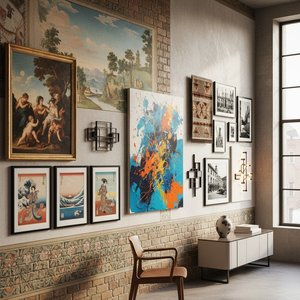
The integration of art into wellness environments is often perceived as purely decorative, yet it possesses the potential to profoundly impact mood, emotion, and overall well-being. Strategic art curation can elevate a spa or wellness center from a functional space to a sanctuary that actively promotes healing and rejuvenation.
Art has the power to evoke a wide range of emotions – from joy and inspiration to calm and contemplation. In a wellness setting, it’s crucial to select artwork that aligns with the desired atmosphere. Abstract expressionism, with its emphasis on emotional resonance (as highlighted in 'Henry Wolf: A Legacy of Abstract Expressionism & Emotional Resonance in Post-War Art'), can be particularly effective. The non-representational nature of abstract art allows guests to project their own feelings and interpretations onto the work, fostering a sense of personal connection and introspection.
However, it’s not just about style; subject matter also plays a vital role. Landscapes, seascapes, and floral arrangements evoke feelings of peace and tranquility, connecting us to the beauty and serenity of nature. Consider artwork that incorporates natural colors and textures, further reinforcing the biophilic design principles. ArtsDot offers reproductions of classic masterpieces as well as custom pieces tailored to specific needs, allowing designers to create truly unique and personalized environments. The 'Cultivating Serenity: The Psychological Impact of Art Reproductions in Wellness Space Design' article provides valuable guidance on curating collections for serenity and improved guest experiences.
Light & Water: Dynamic Elements for Enhanced Well-being
Light, both natural and artificial, profoundly impacts our circadian rhythms and overall mood. Water features – fountains, waterfalls, or even aquariums – add a dynamic element that further enhances the restorative power of biophilic design. These elements aren’t merely aesthetic additions; they are fundamental components of a holistic wellness experience.
Natural light is the gold standard for biophilic design. Large windows that allow sunlight to stream into the space are essential, but it’s also important to consider *how* the light enters the room. Diffused light is more calming than direct glare. Incorporating shading devices – curtains, blinds, or louvers – allows guests to control the amount of light entering the space. When natural light isn't sufficient, artificial lighting should be carefully considered. Warm-toned lights are more relaxing than cool-toned lights. Dimmable lights allow guests to adjust the brightness to their preference.
Water is inherently soothing; the sound of flowing water has been shown to reduce stress levels and promote relaxation. Visualizing water can also evoke feelings of peace and tranquility. In a spa setting, water features can be incorporated in various ways: indoor fountains that create a calming ambiance, waterfalls cascading down stone walls, or even small aquariums filled with colorful fish. The key is to create a feature that complements the overall design aesthetic and enhances the sensory experience.
Long-Term Benefits: The ROI of Biophilic Wellness Design
Biophilic design extends beyond aesthetics; it’s about creating environments that actively support human health and well-being, translating into tangible long-term benefits for spas and wellness centers. Research consistently demonstrates a positive impact on various aspects of health: reduced stress levels, improved cognitive function, increased creativity, enhanced immune system function, and faster recovery times.
For businesses, this translates into a more effective treatment experience, increased guest satisfaction, and ultimately, higher revenue. Guests are more likely to return to spaces that make them feel relaxed, rejuvenated, and connected to nature. Furthermore, incorporating sustainable materials and practices aligns with the growing consumer demand for eco-conscious brands.
ArtsDot offers a curated selection of art reproductions and custom design services tailored to enhance your wellness space. From abstract expressionist masterpieces that evoke emotional resonance to landscapes that capture the serenity of nature, we can help you create an environment that truly supports well-being. Explore our collection today and discover how art can transform your spa or wellness center into a haven of tranquility.