The Neuroscience of Calm: How Art Impacts the Brain & Wellbeing
 Wikipedia: Art therapy
Art therapy is a distinct discipline that incorporates creative methods of expression through visual art media. Art therapy, as a creative arts therapy profession, originated in the fields of art and psychotherapy and may vary in definition. Art the...
For centuries, humans have sought solace and inspiration within the realm of art. But what was once considered a purely aesthetic pursuit is now being understood through the lens of neuroscience – revealing profound connections between visual stimuli and our emotional states. The brain doesn’t simply *see* art; it actively processes it, triggering a cascade of responses that can profoundly impact wellbeing. This understanding is particularly crucial in designing spaces dedicated to restoration and healing, where every element must contribute to a sense of calm and balance.
The amygdala, responsible for processing emotions like fear and anxiety, responds powerfully to visual cues. Art that evokes positive memories or associations—a serene landscape reminiscent of childhood vacations, perhaps—can activate the reward centers of the brain, releasing dopamine and serotonin. Conversely, artwork perceived as chaotic or unsettling can trigger a stress response. The key lies in carefully curating collections that minimize negative stimuli and maximize those that promote feelings of peace and tranquility. Consider the power of symmetry, often found in classical compositions; its inherent order provides a sense of stability and reassurance to the subconscious mind. Even abstract works, devoid of representational imagery, can be deeply calming through their use of color, texture, and form.
The very act of *observing* art encourages mindful presence. In our increasingly fast-paced world, moments of quiet contemplation are rare commodities. Artwork provides a focal point for this practice, drawing the eye inward and allowing guests or patients to disconnect from external stressors. This is particularly relevant in wellness settings where fostering self-awareness and emotional regulation are paramount goals. The subtle details within a painting—the delicate brushstrokes of an Impressionist masterpiece, the intricate symbolism of a Renaissance allegory—invite closer inspection, promoting a sense of engagement and immersion.
Biophilic Design & Artistic Harmony: Connecting Guests with Nature Through Visuals
Biophilic design is a concept used within the building industry to increase occupant connectivity to the natural environment through the use of direct nature, indirect nature, and space and place conditions. There are various elements that serve as t...
The principles of biophilic design – our innate connection to nature – have gained significant traction in recent years. Sunlight, natural materials, and open spaces are all recognized as essential components of restorative environments. However, the integration of art can amplify these effects exponentially. When thoughtfully selected, artwork serves as a powerful conduit for bringing the outdoors *in*, even when physical access is limited.
Reproductions depicting lush landscapes—rolling hills bathed in golden light, serene coastlines teeming with life, or dense forests shrouded in mist—evoke feelings of calm and rejuvenation. These images tap into our primal connection to nature, reducing cortisol levels and promoting a sense of wellbeing. Beyond literal representations, abstract works inspired by organic forms can also be incredibly effective. Consider the paintings of Georgia O’Keeffe, whose floral compositions capture the essence of natural beauty with remarkable sensitivity. The flowing lines and vibrant colors mimic the patterns found in nature, creating a harmonious visual experience.
Water motifs, in particular, hold a unique power to soothe and relax. Oceans, rivers, lakes—these bodies of water symbolize fluidity, renewal, and emotional depth. Artwork featuring these elements can create a sense of calm and tranquility, inviting viewers to immerse themselves in their restorative energy. The strategic placement of such artwork near windows or other sources of natural light further enhances the biophilic effect.
Color Psychology in Wellness Spaces: Evoking Specific Emotional Responses with Art
The impact of color on our emotional states is a well-documented phenomenon, deeply rooted in both biology and cultural associations. In wellness spaces, understanding these nuances is critical for creating environments that promote specific therapeutic goals. A carefully curated palette can subtly influence mood, reduce anxiety, and enhance cognitive function.
Blues and greens are universally associated with tranquility and relaxation. These colors evoke feelings of peace, serenity, and connection to nature. They’re often used in spas and meditation centers to create a calming atmosphere. However, it's important to avoid overly saturated shades, which can feel cold or sterile. Instead, opt for muted tones—soft aquamarines, sage greens, or dusty blues—that promote a sense of warmth and comfort.
Warm earth tones—ochres, siennas, umbers—promote feelings of grounding and stability. These colors evoke images of nature—soil, sand, stone—and create a sense of connection to the physical world. They’re often used in rehabilitation centers or spaces designed for emotional healing. The key is to balance these warm tones with cooler shades to prevent the environment from feeling overly heavy or oppressive. A touch of lavender or pale yellow can add a subtle lift and promote feelings of optimism.
Mastering Mood: Selecting Artwork Styles for Restorative Environments (Renaissance, Impressionism, Abstract)
The historical context of an artwork significantly influences its psychological impact. Reproductions from different eras evoke distinct emotions and associations, offering designers a powerful tool for shaping the overall atmosphere of a wellness space.
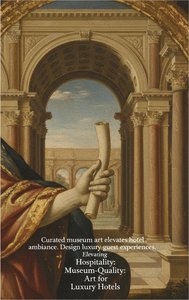
Renaissance art, with its emphasis on harmony, balance, and spiritual enlightenment, can inspire feelings of awe and reverence. Paintings depicting religious scenes or classical mythology often embody ideals of order and stability, providing a sense of reassurance to viewers. The meticulous detail and realistic representation characteristic of the Renaissance promote a sense of calm and contemplation.
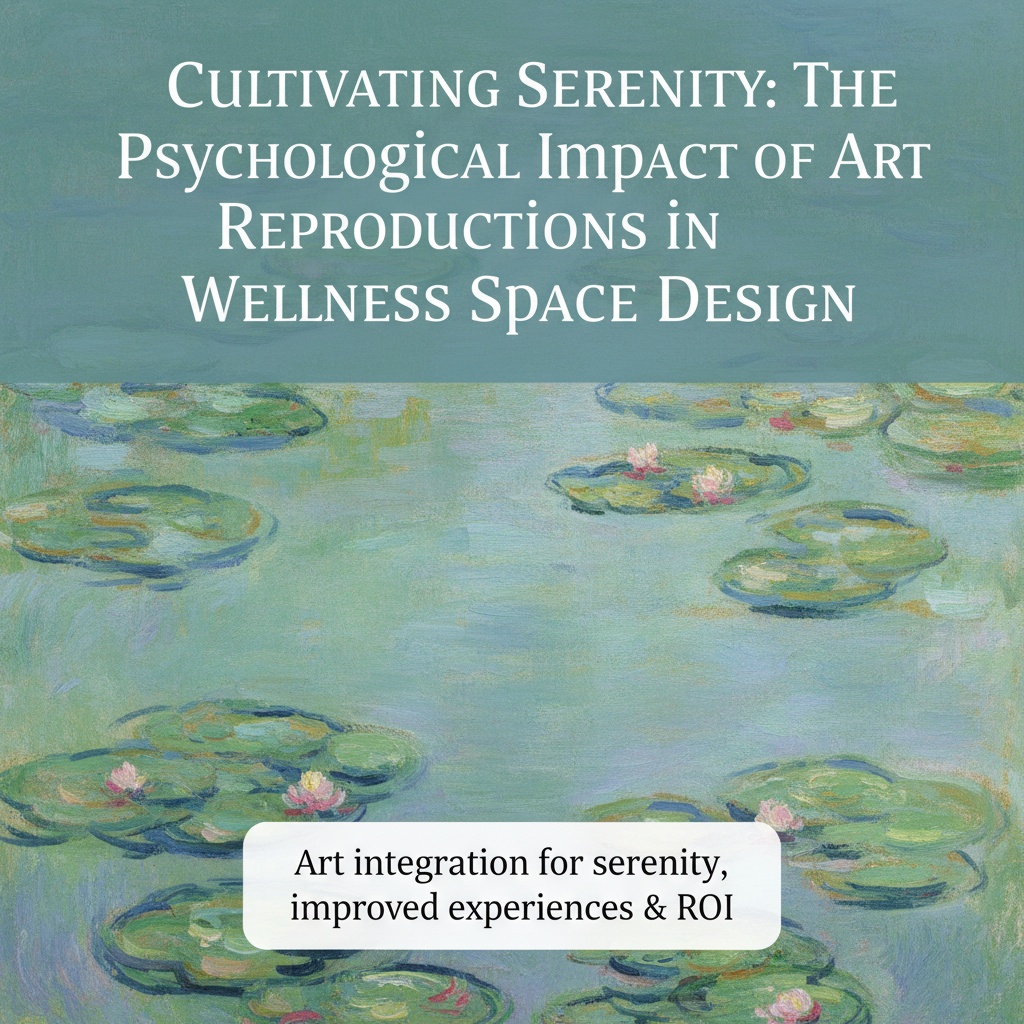
Impressionism, on the other hand, captures fleeting moments of beauty and light. These works evoke feelings of joy, nostalgia, and appreciation for the present moment. The loose brushstrokes and vibrant colors create a sense of energy and vitality, inviting viewers to immerse themselves in the sensory experience. Monet’s water lilies, for example, are renowned for their calming effect, transporting viewers to a tranquil garden oasis.
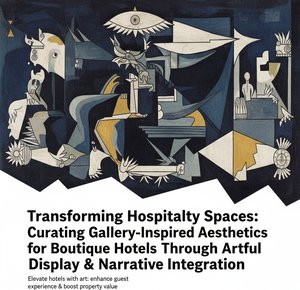
Abstract expressionism challenges conventional perceptions and encourages personal interpretation. These works can be thought-provoking and emotionally stimulating, prompting guests or patients to question their assumptions and explore new perspectives. However, it’s important to use abstract art judiciously in wellness spaces; overly chaotic or aggressive compositions can be unsettling. Opt for pieces that incorporate calming colors and flowing forms.
Beyond the Image: The Importance of Reproduction Quality and Framing for Therapeutic Impact
The quality of the reproduction itself is paramount. A poorly executed copy diminishes its aesthetic appeal and undermines its therapeutic benefits. Hand-painted reproductions, created by skilled artists who meticulously recreate the original artwork, offer a superior level of detail and authenticity.
The materials used in framing also play a critical role. High-quality frames protect the artwork and complement its aesthetic. Wood frames introduce a tactile element that reinforces the sense of warmth and authenticity. Archival inks ensure that prints retain their vibrancy for decades, preserving the integrity of the image over time. Consider the texture of the canvas or paper; 100% cotton canvas provides a superior surface for oil paintings, while acid-free paper prevents discoloration.
Art Consultation & Procurement: Streamlining Your Wellness Space Design with Expert Support
At ArtsDot.com, we understand that curating art collections for wellness spaces requires expertise and attention to detail. Our team of dedicated art advisors offers personalized consultations to help you select artwork that aligns with your design goals and therapeutic objectives. From hand-painted reproductions of classic masterpieces to custom photo-to-painting transformations, we provide a wide range of options to suit any aesthetic and budget.
We also offer appraisal services to assess the value of existing artwork and ensure authenticity. With fast global shipping and secure payment options, ArtsDot.com simplifies the process of acquiring high-quality art for your wellness space. Explore our extensive collection today and discover how art can transform your environment into a sanctuary of serenity.