Introduction: The Language of Symbols – Unveiling Hidden Narratives
 Wikipedia: Allegory
As a literary device or artistic form, an allegory is a narrative or visual representation in which a character, place, or event can be interpreted to represent a meaning with moral or political significance. Authors have used allegory throughout his...
For centuries, art has served not merely as a mirror reflecting reality, but as a veil concealing deeper truths. Beyond the skillful brushstrokes and captivating compositions lies a complex language of symbols—a visual lexicon employed by artists to convey ideas, beliefs, and emotions that transcend the limitations of words. To truly appreciate a masterpiece is to decipher this hidden narrative, to understand the cultural context, artistic intentions, and often, the profound philosophical underpinnings embedded within the work. This exploration delves into the fascinating world of art symbolism, tracing its evolution from ancient rituals to modern expressions, offering a guide for enthusiasts seeking to unlock the secrets held within iconic artworks.
The Historical Roots of Art Symbolism: From Ancient Rituals to Renaissance Allegories
 Decoding the Veil: Symbolism in Art – A Comprehensive Exploration of Meaning & Interpretation
Explore the rich world of art symbolism! Uncover hidden meanings in masterpieces from Renaissance allegories to modern movements. A comprehensive guide for enthusiasts & collectors.
The impulse to imbue objects and images with symbolic meaning is as old as humanity itself. In prehistoric cave paintings, animals weren’t simply depicted for sustenance; they represented power, fertility, or the spirits of the hunt. Ancient Egyptian art, replete with hieroglyphs and animal-headed deities, functioned as a complex system of religious belief and cosmological understanding. This tradition continued through classical antiquity, where gods and goddesses were personifications of natural forces and abstract concepts. However, it was during the Medieval period and particularly the Renaissance that symbolism flourished in Western art, reaching an apex of intricacy.
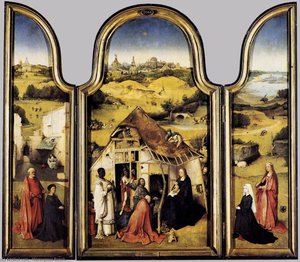
The allegorical tradition, born from classical rhetoric, became a dominant mode of expression. Artists like Jan Provoost, in his stunning 1515 ‘Allegory of Christianity’, didn’t simply portray religious figures; they constructed elaborate visual puzzles designed to communicate theological doctrines and moral lessons. Every element—the fruits, the animals, the architectural details—held a specific meaning, requiring a degree of learned interpretation from the viewer. The Northern Renaissance, with its meticulous realism, paradoxically amplified this symbolic density, embedding layers of significance within seemingly straightforward depictions of everyday life. This period demanded not just observation but *knowledge* – an understanding of biblical stories, classical mythology, and contemporary philosophical thought to fully grasp the artwork’s message.
Iconography vs. Symbolism: Defining the Terms and Their Interplay
Often used interchangeably, iconography and symbolism represent distinct yet interconnected aspects of art analysis. Iconography is essentially the identification and description of subject matter—recognizing a specific figure as Saint Sebastian or identifying a particular object as a skull. It’s about *what* is depicted. Symbolism, on the other hand, delves into the meaning behind those depictions – what does the skull represent? Mortality? Vanity? The transience of life? Iconography provides the building blocks; symbolism interprets their significance.
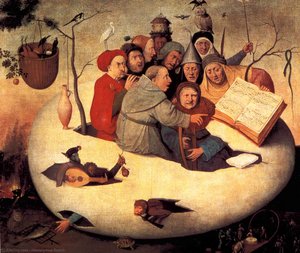
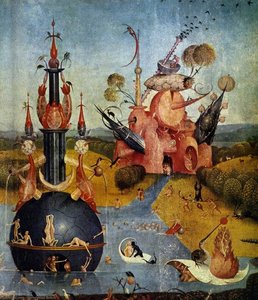
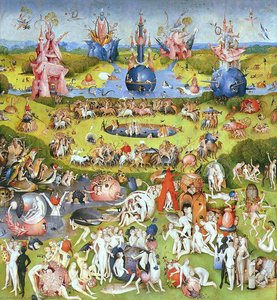
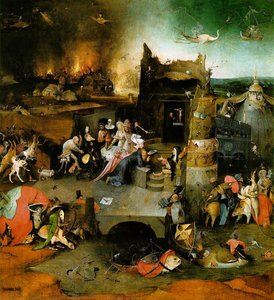
Consider Hieronymus Bosch’s ‘The Seven Deadly Sins’. Identifying each sin—gluttony, greed, lust, etc.—is an act of iconography. But understanding *why* Bosch chose specific creatures or scenarios to represent each vice requires a deeper engagement with symbolism. The grotesque imagery isn't merely fantastical; it reflects contemporary anxieties about morality and the dangers of earthly temptation. The interplay between these two concepts is crucial: accurate iconography is essential for unlocking symbolic meaning, but without an understanding of context and artistic intention, those symbols remain inert.
Key Symbols in Western Art: A Deep Dive into Recurring Motifs
Certain symbols have resonated across centuries and cultures, acquiring layers of meaning through repeated use. The lily, for example, frequently appears in Renaissance paintings as a symbol of purity and the Virgin Mary. The skull, as mentioned earlier, represents mortality but also serves as a *memento mori*, a reminder to contemplate one’s own fleeting existence. Animals often carry symbolic weight: doves signify peace, snakes represent temptation or evil, and lions embody power and courage.
Fruit, too, is laden with meaning. Apples are associated with the Fall of Man, pomegranates symbolize fertility and resurrection, and citrus fruits can represent wealth and abundance. Even colors hold symbolic significance: red often denotes passion or sacrifice, blue represents divinity or melancholy, and gold signifies holiness or royalty. Recognizing these recurring motifs isn’t about finding a single “correct” interpretation; rather, it's about understanding the range of possible meanings within a specific historical and artistic context.
Symbolism in Modern Movements: Surrealism, Expressionism, and Beyond
 Wikipedia: Symbolism (movement)
Symbolism was a late 19th-century art movement of French and Belgian origin in poetry and other arts seeking to represent absolute truths symbolically through language and metaphorical images, mainly as a reaction against naturalism and realism. In l...
The 19th century witnessed a resurgence of interest in symbolism as artists rebelled against the constraints of realism. The Symbolist movement, originating with poets like Charles Baudelaire and Stéphane Mallarmé, sought to represent “absolute truths” through metaphorical images and evocative language. This aesthetic paved the way for movements like Surrealism, which delved into the subconscious mind, employing dreamlike imagery and illogical juxtapositions to unlock hidden psychological realities.
Expressionism, with its distorted forms and intense colors, utilized symbolism to convey emotional states rather than objective representations of the world. Artists like Edvard Munch used symbolic figures and landscapes to express feelings of anxiety, alienation, and despair. Even abstract art, seemingly devoid of recognizable imagery, often employs color, form, and composition symbolically, evoking emotions and ideas through non-representational means. The legacy of symbolism continues to influence contemporary artists, demonstrating its enduring power as a tool for exploring the complexities of human experience.
Interpreting Symbolic Art: A Guide for Enthusiasts & Collectors
Deciphering symbolic art requires patience, research, and an open mind. Begin by identifying the iconography—what is actually depicted in the artwork? Then, consider the historical context—when and where was it created, and what were the prevailing beliefs and values of that time? Consult scholarly resources, such as art history books and museum catalogs, to learn about common symbols and motifs. Don’t be afraid to explore multiple interpretations; symbolism is rarely straightforward.
At ArtsDot.com, we believe that art should be accessible to everyone. Our handmade oil paintings and museum-quality prints allow you to bring the masterpieces of history into your home, offering a unique opportunity to engage with these works on a deeper level. Whether you’re a seasoned collector or simply beginning your artistic journey, we invite you to explore our extensive collection and unlock the hidden narratives within each captivating image. We provide detailed information about each artwork, including its historical context and symbolic meaning, empowering you to appreciate art not just for its aesthetic beauty but also for its intellectual depth.