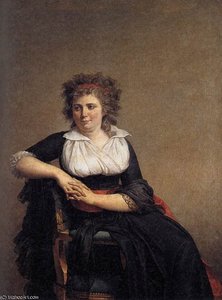
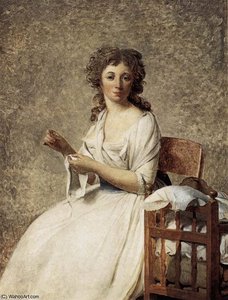
The Rise of Fashionable Portraiture: Beyond Likeness
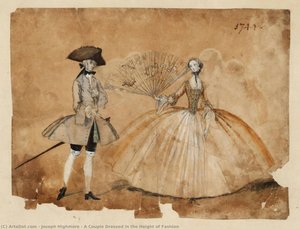 A Couple Dressed in the Height of Fashion
Before the advent of photography, portraiture served not merely as a record of appearance but as a carefully constructed statement about identity, wealth, and social standing. While earlier portraits often focused on conveying power through symbolic objects or austere representation, the 18th century witnessed a burgeoning interest in depicting fashionable attire – a shift that reflected evolving societal values and the growing importance of personal style. Artists began to meticulously render fabrics, lace, and accessories, transforming clothing into a powerful visual language. This wasn’t simply about showing what someone wore; it was about communicating who they were, or aspired to be. Consider Joseph Highmore's “A Couple Dressed in the Height of Fashion,” where the exquisite detail lavished on their garments speaks volumes about their affluence and taste. The very act of commissioning such a portrait signaled status – only those with considerable means could afford to immortalize themselves in this manner.
Aristocratic Dress as Visual Power: Status, Wealth & Authority
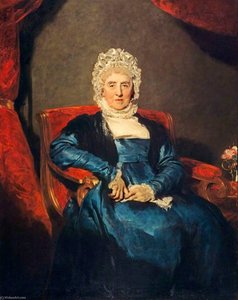
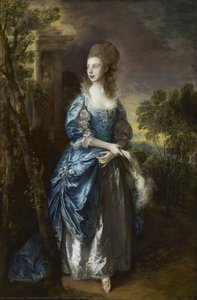 The Hon. Frances Duncombe
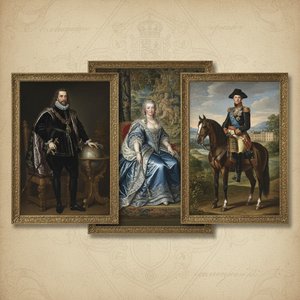
The courts of Europe were the epicenters of fashion, dictating trends that rippled outwards through society. Aristocratic dress wasn’t simply about aesthetics; it was a carefully calibrated system of visual cues designed to reinforce social hierarchies. Sumptuous silks, elaborate embroidery, and costly jewels weren't merely decorative elements—they were tangible displays of wealth and lineage. Thomas Gainsborough’s “The Hon. Frances Duncombe” exemplifies this perfectly. The delicate fabric of her gown, the subtle sheen of the silk, and the overall elegance of her pose convey a sense of refined status and privilege. Beyond the materials themselves, the *way* clothing was worn communicated meaning. A particular cut of a coat, the length of a train, or the arrangement of lace could signify allegiance to a specific court faction or demonstrate adherence to current etiquette. The power resided not just in possessing these items but in knowing how to present them with impeccable grace and authority.
Neoclassical Ideals & the Refinement of Style in 18th-Century Art
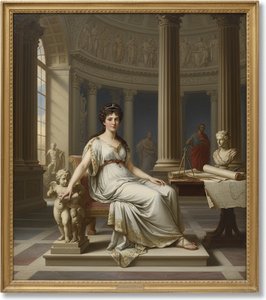
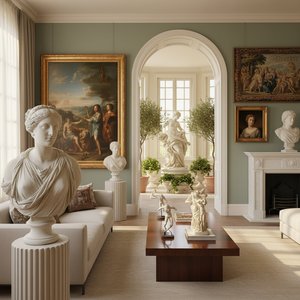 Neo-Classicism's Greatest Hits: 10 Masterpieces for Your Home |
Journey through Neo-Classicism's finest! Explore 10 iconic masterpieces by David, Ingres & Canova. Discover art history, techniques & timeless beauty – perfect for inspiring your home decor. Find museum-quality reproductions at
As the Enlightenment took hold, a renewed interest in classical antiquity influenced artistic styles across Europe. This shift manifested in fashion as well, with Neoclassical ideals emphasizing simplicity, elegance, and restraint. Gone were some of the more ostentatious excesses of earlier Rococo styles; instead, artists favored flowing draperies, lighter fabrics, and silhouettes inspired by ancient Greek and Roman sculpture. Rembrandt Peale’s “Portrait of a Lady (Harriet Cany Peale)” beautifully illustrates this trend. The subject's dress, while still refined, possesses a certain understated grace that reflects the Neoclassical emphasis on natural form and harmonious proportions. The focus shifted from overt displays of wealth to a more subtle expression of taste and education – a reflection of the changing values of the era. This wasn’t about abandoning fashion altogether but rather refining it in accordance with new aesthetic principles.
Capturing Parisian Life: Fashion and Modernity in 19th-Century Paintings
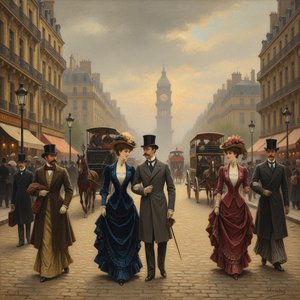 Jacques Joseph Tissot: A Chronicle of Parisian Life & Narrative Evolution
Explore the captivating world of Jacques Joseph Tissot, a master painter of Belle Époque society. Discover his realism, Impressionistic style, and lasting influence on art history. Learn more at ArtsDot.
The 19th century saw Paris emerge as the undisputed capital of fashion, a position solidified by the rise of haute couture. Artists like Jacques Joseph Tissot captured the vibrancy and dynamism of Parisian life, often featuring fashionable women as central subjects. Tissot’s paintings are not simply portraits; they are chronicles of a specific moment in time, documenting the latest styles, social customs, and the evolving role of women in society. His attention to detail – the cut of a dress, the arrangement of accessories, the subtle nuances of expression – provides invaluable insights into the fashion trends of the Belle Époque. The rise of department stores and fashion magazines further democratized access to style, although the most exclusive designs remained within reach of only the wealthiest patrons. This period marked a significant shift in how fashion was perceived—from a symbol of aristocratic privilege to an increasingly accessible form of self-expression.
Textile as Artform: Exploring Unique Expressions Through Fabric & Design
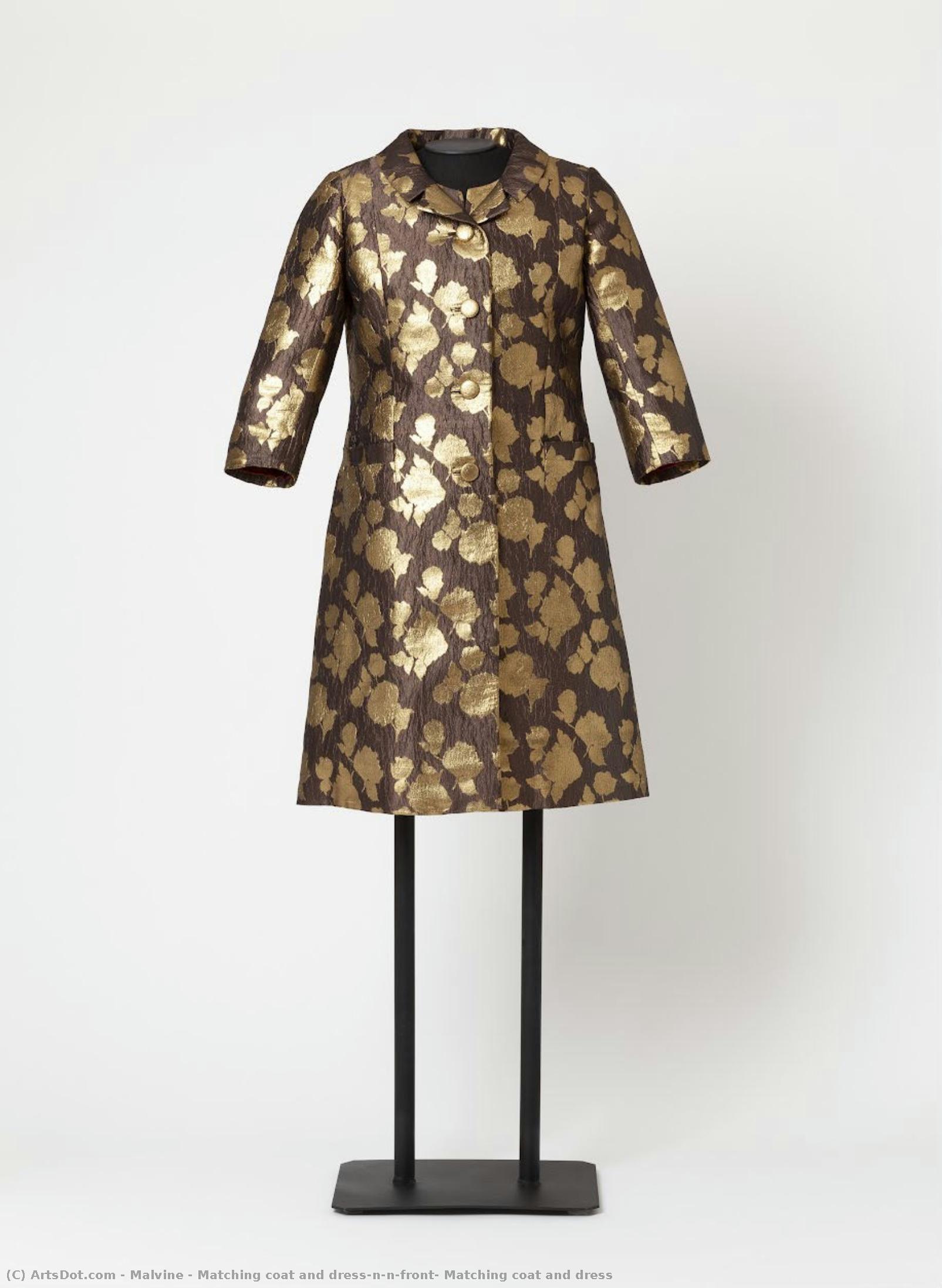 malvine
Discover Malvine, a French artist known for her striking 'matching coat & dress' (1960). Explore her unique textile art – a blend of fashion and form.
While many artists focused on depicting fashionable clothing, others explored the inherent beauty and artistic potential of textiles themselves. Artists like Malvine, with her striking 'matching coat & dress' (1960), demonstrate a unique approach to fashion as an artform. Her work transcends mere design; it’s a celebration of texture, color, and form. Similarly, figures like Robert de Rothschild (Gustave Beer) – a French banker, polo player, and philanthropist – engaged with fashion not just as a consumer but as a creator, designing pieces that reflected his aristocratic lifestyle and the historical context of World War II. These examples highlight the diverse ways in which artists have approached fashion—as a means of social commentary, personal expression, or simply an exploration of aesthetic beauty. The enduring appeal of these works lies not only in their depiction of style but also in their ability to capture the spirit of their time.
At ArtsDot
com, we believe that art should be accessible to everyone. Explore our extensive collection of museum-quality reproductions, including masterpieces featuring exquisite depictions of fashion and style. Whether you’re seeking a statement piece for your home or a unique gift for a loved one, we offer a wide range of options to suit every taste and budget. Discover the stories behind these iconic artworks and bring the beauty of history into your life.