The Salon: Gatekeeper of Taste & Catalyst for Rebellion
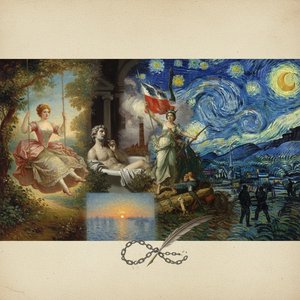
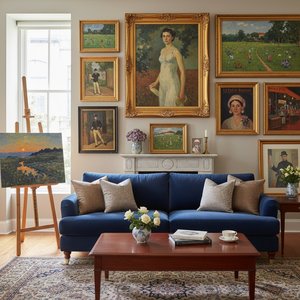
For nearly two centuries, the Salon de Paris reigned supreme as the arbiter of artistic success in France. Originating in 1667 as a showcase for the Académie Royale de Peinture et de Sculpture, it evolved into an annual spectacle—a grand exhibition that dictated not only which artists thrived but also what constituted beauty itself. The Salon wasn’t merely a display; it was a cultural institution, steeped in tradition and fiercely protective of established norms. Artists yearned for acceptance, knowing that inclusion signaled royal favor, commissions, and social elevation. The very walls of the Salon represented a gateway to prosperity, yet they also became a symbol of constraint, particularly as the 19th century dawned and new artistic visions began to challenge the Academy’s authority. The meticulously arranged displays, floor-to-ceiling with paintings adhering to historical or mythological themes, reflected a world order that many artists were beginning to question.
The power of the Salon lay in its juries—established painters who judged submissions based on technical skill and adherence to academic standards. This system, while fostering excellence within established parameters, increasingly excluded those daring to break from convention. As the Realist movement gained momentum, with artists like Gustave Courbet prioritizing honest depictions of contemporary life over idealized narratives, clashes with the Salon became inevitable. The rejection of works deemed too vulgar or politically charged fueled a growing sense of frustration among a new generation eager to express their unique perspectives. The Salon, once a beacon of opportunity, was transforming into an obstacle—a formidable barrier that would ultimately spark artistic revolution.
Realism's Radical Gaze: Depicting Life Unvarnished
Realism, Realistic, or Realists may refer to: == In the arts == Realism (arts), the general attempt to depict subjects truthfully in different forms of the arts Arts movements related to realism include: == In philosophy == Philosophical realism ...
Emerging in the mid-19th century, Realism represented a profound shift in artistic philosophy. Rejecting the romanticized visions of the past, Realist painters sought to portray life as it truly was—unflinching, often gritty, and devoid of embellishment. Gustave Courbet’s groundbreaking work, such as *The Stone Breakers*, epitomized this approach. He deliberately chose subjects from everyday labor, elevating them to a level of artistic importance previously reserved for historical or religious scenes. This wasn't simply about depicting the working class; it was a deliberate challenge to the established social order and the Academy’s preference for idealized beauty.
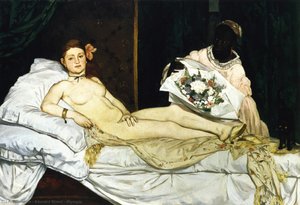
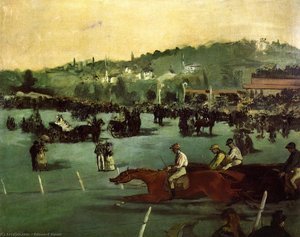
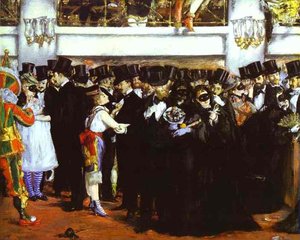
Édouard Manet further pushed boundaries with paintings like *Luncheon on the Grass*, which scandalized audiences with its contemporary setting, direct gaze of the female figure, and rejection of traditional compositional techniques. Manet wasn't necessarily advocating for a specific political cause; rather, he was interested in exploring the very nature of painting itself—its ability to capture light, form, and sensation. However, his work, along with that of other Realists like Alfred-Philippe Roll, often carried implicit social commentary, prompting viewers to confront uncomfortable truths about their society. The Salon’s resistance to these new approaches only intensified the movement's impact, forcing a dialogue about art’s role in reflecting—and challenging—the world around it.
Impressionism: Capturing Fleeting Moments in Light and Color
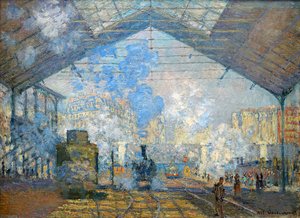
Impressionism was a 19th-century art movement characterized by visible brush strokes, open composition, emphasis on accurate depiction of light in its changing qualities (often accentuating the effects of the passage of time), ordinary subject matter...
Born from the frustrations of artists rejected by the Salon, Impressionism emerged as a radical departure from academic tradition. A group of Paris-based painters – including Claude Monet, Pierre-Auguste Renoir, and Alfred Sisley – began exhibiting independently in the 1870s, showcasing works characterized by visible brushstrokes, open composition, and an emphasis on capturing the fleeting effects of light. The name “Impressionism” itself was initially derisive, coined by a critic mocking Claude Monet’s *Impression, soleil levant* (Impression, Sunrise). However, the label stuck, ultimately defining a movement that would revolutionize art history.
Unlike Realists who focused on detailed depictions of subjects, Impressionists prioritized capturing the sensation of a moment—the way light played across a landscape, the vibrancy of a bustling city street. They abandoned studio work in favor of *en plein air* painting, striving to record their immediate impressions before them. This pursuit led to innovative techniques: broken brushstrokes of pure color, mixed directly on the canvas rather than blended beforehand, creating a sense of movement and luminosity. The Impressionists weren’t simply depicting what they saw; they were capturing how it felt to see it—a subjective experience that challenged traditional notions of artistic representation.
Beyond the Brushstroke: Social Commentary in 19th-Century Art
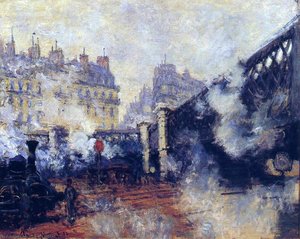
While often celebrated for its aesthetic qualities, 19th-century art was rarely devoid of social and political undertones. Even within Impressionism’s focus on light and atmosphere, subtle critiques of contemporary life emerged. Artists like Jean-Baptiste-Antoine Guillemet captured the changing urban landscape of Paris, hinting at the anxieties and uncertainties of modernization. The rapid industrialization and urbanization of France created a stark contrast between the opulent lives of the bourgeoisie and the struggles of the working class.
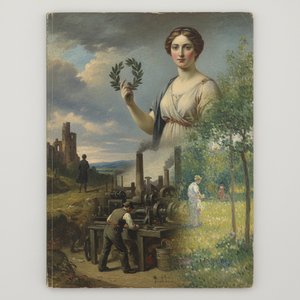
Realist painters directly addressed these inequalities, depicting scenes of labor, poverty, and social unrest. Alfred-Philippe Roll’s *The Strike of the Miners* powerfully conveyed the plight of workers fighting for their rights. These works weren't simply objective observations; they were often imbued with a sense of empathy and a call for social justice. The Salon’s initial rejection of such paintings only amplified their message, forcing viewers to confront uncomfortable realities that were often ignored by mainstream society. Artists used their canvases not just as mirrors reflecting the world but as platforms for dialogue and change.
The Rise of Individual Expression: From Academic Tradition to Modern Innovation
The 19th century witnessed a dramatic shift in artistic values, moving away from the rigid constraints of academic tradition towards an embrace of individual expression. The Salon’s dominance gradually waned as independent exhibitions gained prominence, providing artists with greater freedom to experiment and explore new styles. This period saw the emergence of Post-Impressionism, with artists like Paul Gauguin pushing boundaries even further—incorporating symbolism, abstraction, and personal narratives into their work.
The rejection of established norms wasn’t simply about stylistic innovation; it was a fundamental questioning of art’s purpose. Artists began to prioritize subjective experience over objective representation, paving the way for 20th-century movements like Fauvism and Cubism. The legacy of this period lies in its celebration of individuality—its recognition that artistic expression is not bound by rules or conventions but rather driven by a unique vision. The artists who dared to challenge the Salon’s authority ultimately redefined the very definition of art, leaving an indelible mark on the course of history.
Legacy & Influence: How 19th-Century Art Shaped Our World
The impact of 19th-century art extends far beyond the confines of museums and galleries. The innovations pioneered by Realists and Impressionists—the emphasis on light, color, subjective experience, and social commentary—continue to inspire artists today. The very act of challenging established norms paved the way for subsequent generations to push boundaries even further.
At ArtsDot.com, we are dedicated to making these masterpieces accessible to all. Our handmade oil paintings and museum-quality prints allow you to experience the beauty and power of 19th-century art in your own home. Whether you’re captivated by Monet’s luminous landscapes, Manet’s provocative portraits, or Courbet’s unflinching realism, we offer a curated selection that celebrates the enduring legacy of this transformative period. Explore our collection today and discover the echoes of change that continue to resonate through art history.