The Early Christian Roots: Symbolism and Secret Devotion
A halo (from Ancient Greek ἅλως, hálōs, 'threshing floor, disk'), also called a nimbus, aureole, glory or gloriole (Latin: gloriola, lit. 'little glory'), is a crown of light rays, circle or disk of light that surrounds a person in works of art. Th...
The story of faith visualized begins not with grand cathedrals and celebrated masters, but within the hushed confines of Roman catacombs and the modest homes of early believers. During the first centuries after Christ’s death, Christianity existed as a minority religion, often facing persecution. This necessitated a visual language coded in symbolism – a means of expressing belief without attracting unwanted attention. Early Christian art wasn't about literal representation; it was about conveying essential theological concepts through allegory and hidden meaning. The image of the Good Shepherd, borrowed from pagan iconography but imbued with new significance, became a powerful metaphor for Christ protecting his flock. Fish, or *ichthys*, served as an acrostic for “Jesus Christ Son of God Savior,” subtly proclaiming faith in public spaces. These weren’t merely artistic choices; they were acts of devotion and resilience, woven into the fabric of daily life.
The focus wasn't on creating aesthetically pleasing objects but on communicating core beliefs: salvation, resurrection, and the promise of eternal life. Frescoes adorned burial chambers, depicting scenes from the Old Testament alongside emerging narratives of Christ’s life. These images weren’t intended for public display in the way later art would be; they were deeply personal expressions meant to accompany the deceased into the afterlife. The stylistic simplicity – often characterized by flattened perspectives and stylized figures – wasn't a lack of skill, but rather a deliberate choice reflecting a spiritual focus over earthly realism.
Renaissance Humanism & The Re-Sacralization of Art
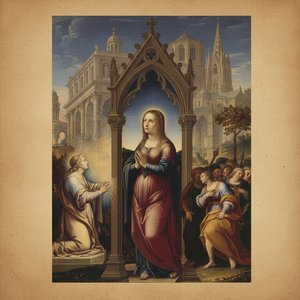
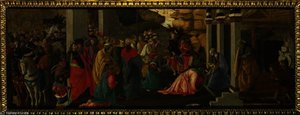 Adoration of the Kings
Botticelli employed egg tempera on wood, a technique known for its luminosity and durability. His meticulous attention to detail is evident in the expressive faces of the figures and the intricate draperies, demonstrating his profound understanding o...
The Renaissance witnessed a profound shift in the relationship between faith and art. While early Christian art focused on symbolic representation born from necessity, the Renaissance embraced a renewed interest in classical antiquity – a rediscovery of human form, perspective, and naturalistic detail. This wasn’t a rejection of religious themes, but rather a re-sacralization of them through the lens of humanist ideals. Artists like Sandro Botticelli, with his ethereal “Adoration of the Kings,” demonstrated this beautifully. Employing egg tempera on wood—a technique known for its luminosity and durability—Botticelli meticulously rendered expressive faces and intricate draperies, showcasing a profound understanding of both artistic skill and theological nuance. The figures weren’t simply symbols; they were imbued with human emotion and dignity.
Lucas Cranach the Elder's “Virgin and Child” (1520) exemplifies this period. While retaining the central religious subject matter, Cranach infused his work with a sense of intimacy and earthly beauty. The rich colors and detailed rendering capture divine serenity while simultaneously grounding the scene in a relatable human context. This era saw artists striving to depict biblical narratives not just as stories of faith, but as reflections of the human experience—a testament to God’s love for humanity. Churches remained significant patrons, commissioning art that aimed to inspire awe and devotion, but now with an emphasis on beauty and emotional resonance.
Iconography in Detail: Decoding Religious Imagery
 El Greco's Masterpieces: Explore 25 Iconic Paintings & Spiritual Visions | ArtsDot
Journey through El Greco's 25 most iconic paintings! Explore the spiritual depth & dramatic beauty of this Spanish Renaissance master. Discover art history, techniques & find museum-quality reproductions for your home at ArtsDot.com.
Understanding religious art requires a keen eye for iconography – the symbolic language embedded within each composition. The halo, for instance—a circle or disk of light surrounding holy figures—dates back to ancient traditions but became inextricably linked with sanctity in Christian art. It signifies divine grace and spiritual enlightenment. Angels are rarely depicted as realistic beings; their wings symbolize their role as messengers between God and humanity, while specific colors often denote particular virtues or ranks. The use of gold isn’t merely decorative; it represents the divine light and eternal glory.
Consider Botticelli's “Last Miracle And The Death Of St Zenobius.” Every element within the painting carries symbolic weight—the gestures of the figures, the architectural details, even the landscape itself. Analyzing these elements reveals a complex narrative about faith, healing, and divine intervention. Similarly, the positioning of figures in depictions of the Madonna and Child often reflects theological concepts: Mary as the throne upon which Christ reigns, or the arrangement symbolizing the Holy Trinity. These weren’t arbitrary choices; they were carefully constructed visual statements designed to communicate specific religious truths.
The Baroque Era: Drama, Emotion, and Spiritual Intensity
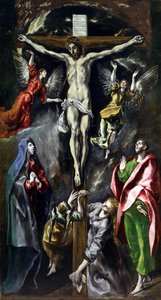
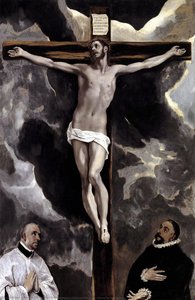
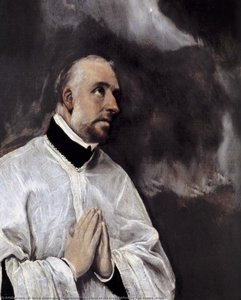
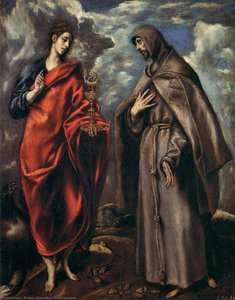
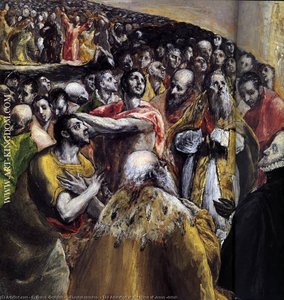
As the Renaissance transitioned into the Baroque period, art became increasingly dramatic and emotionally charged. Artists sought not just to depict religious scenes but to evoke a visceral response in the viewer—to inspire awe, repentance, and faith through heightened realism and theatrical compositions. El Greco, though working slightly outside the mainstream of Italian Baroque, embodies this spirit with his elongated figures, vibrant colors, and intensely spiritual visions. His paintings aren’t about serene beauty; they are about conveying the raw power of religious experience.
The use of *tenebrism*—a dramatic contrast between light and shadow—became a hallmark of Baroque art, emphasizing emotional intensity and drawing the viewer into the scene. Artists like Caravaggio used this technique to create powerful narratives that felt both immediate and deeply personal. Religious paintings from this era often depict moments of intense suffering or ecstatic revelation, designed to elicit empathy and inspire devotion. The goal was no longer simply to represent faith but to *feel* it—to experience its emotional weight.
Beyond Representation: Exploring Mysticism and Visionary Art
Throughout Western art history, certain artists have pushed beyond traditional representation to explore the realms of mysticism and visionary experience. These works often defy easy interpretation, relying on symbolism and abstract forms to convey profound spiritual truths. While less common than more conventional religious paintings, these pieces offer a glimpse into the depths of human faith and the search for transcendence.
The enduring power of religious art lies in its ability to connect us with something larger than ourselves—to explore fundamental questions about life, death, and the divine. From the secret symbols of early Christianity to the dramatic visions of the Baroque era, artists have consistently sought new ways to express their faith and inspire devotion in others. Whether through meticulous realism or abstract symbolism, religious art continues to resonate with audiences today, offering a timeless testament to the human spirit’s enduring quest for meaning.
At ArtsDot.com, we are dedicated to bringing these masterpieces closer to you. Explore our extensive collection of handmade oil paintings and museum-quality prints, allowing you to experience the beauty and power of religious art in your own home. Discover iconic artworks, symbolism & techniques from antiquity to the Renaissance. Enhance your art appreciation today.