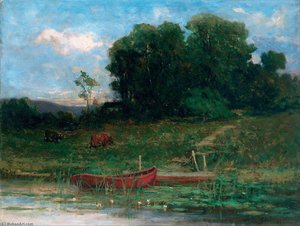
The Genesis of Landscape: From Classical Roots to Renaissance Visions
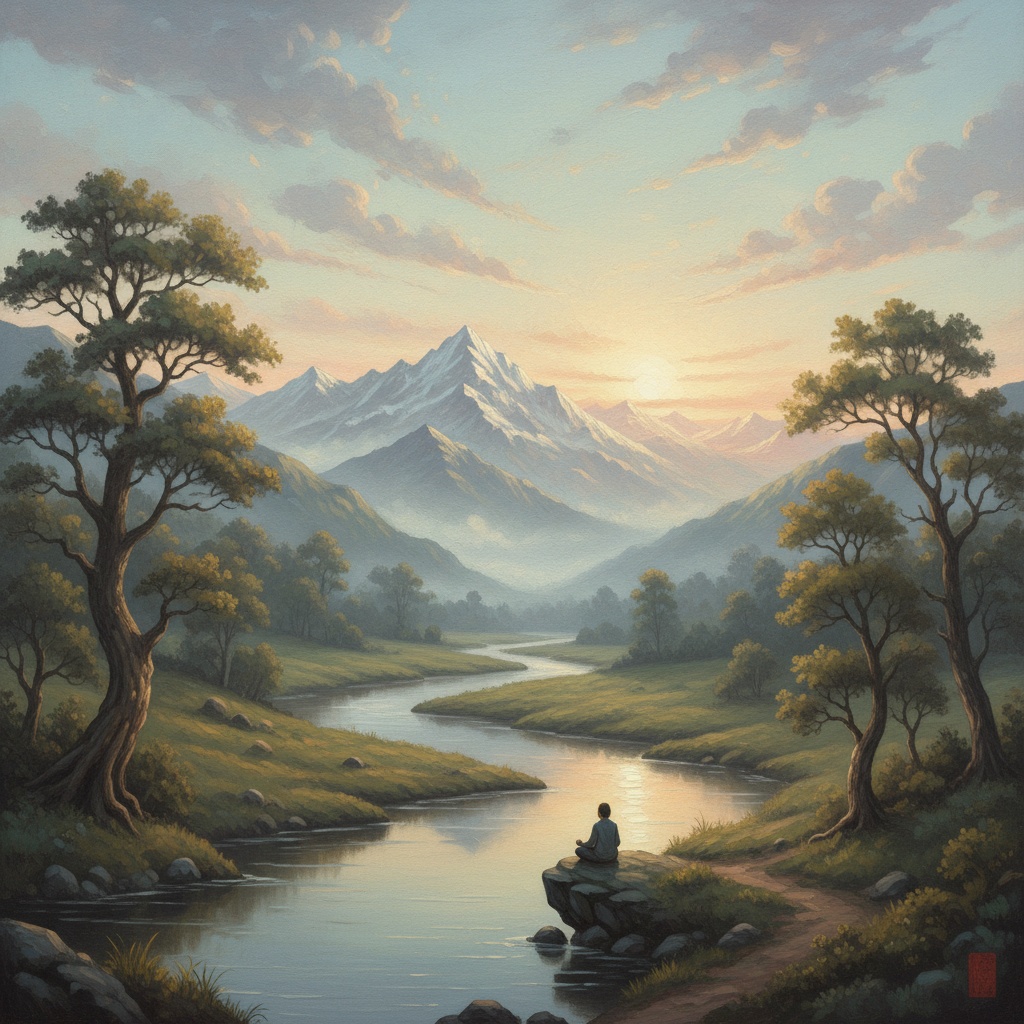
Landscape painting, also known as landscape art, is the depiction in painting of natural scenery such as mountains, valleys, rivers, trees, and forests, especially where the main subject is a wide view—with its elements arranged into a coherent compo...
The impulse to depict the natural world is as old as art itself, though its prominence as a distinct genre evolved gradually. Early civilizations often embedded landscape elements within larger narratives – Egyptian tomb paintings showcasing lush gardens symbolizing paradise, or frescoes in Minoan palaces reflecting a reverence for nature’s bounty. However, these were not landscapes *per se*, but rather settings for human activity and religious symbolism. The classical world, while valuing idealized forms, largely prioritized the human figure; landscape served as a backdrop, a stage upon which mythological dramas unfolded. It wasn't until the Renaissance that we begin to see a shift in perspective, a growing appreciation for nature’s intrinsic beauty independent of its allegorical function.
The rediscovery of classical texts and a burgeoning humanist philosophy encouraged artists to observe the world around them with renewed curiosity. Early Renaissance masters like Leonardo da Vinci meticulously studied geological formations and atmospheric effects, laying the groundwork for more realistic depictions of space and light. While still often incorporated into religious scenes – think of the distant mountains in Fra Angelico’s Annunciations – these landscapes demonstrate a nascent understanding of perspective and depth. The Flemish painters of the 15th century, such as Jan van Eyck, took this further, rendering incredibly detailed naturalistic environments with astonishing precision. Their work wasn't merely representational; it captured the *feeling* of being immersed in nature, foreshadowing the emotional resonance that would characterize later landscape traditions.
The High Renaissance saw artists like Raphael and Giorgione integrate landscapes more fully into their compositions, creating harmonious balances between figures and surroundings. Giorgione’s “The Tempest,” for example, is a particularly enigmatic work where the landscape itself becomes a central protagonist, imbued with a sense of mystery and foreboding. This marked a crucial step towards recognizing landscape as an independent subject worthy of artistic exploration.
The Pastoral Ideal: Arcadian Dreams and Rural Harmony in 18th & 19th Century Art
The pastoral genre of literature, art, or music depicts an idealised form of the shepherd's lifestyle – herding livestock around open areas of land according to the seasons and the changing availability of water and pasture. The target audience is t...
As the Renaissance gave way to the Baroque and Rococo periods, landscape painting continued to evolve, often intertwined with themes of power and aristocratic leisure. Grand estates and meticulously manicured gardens became popular subjects, reflecting a desire for control over nature. However, it was in the 18th and 19th centuries that the pastoral ideal truly flourished. Inspired by classical literature – particularly Virgil’s *Eclogues* and *Georgics* – artists began to depict idealized rural scenes populated by shepherds, nymphs, and idyllic farm life.
The French painter Nicolas Poussin, though working earlier in the 17th century, profoundly influenced this tradition with his serene and classically-inspired landscapes. His compositions emphasized order, balance, and a sense of moral virtue associated with rural simplicity. Later artists like Claude Lorrain perfected the art of depicting golden light and atmospheric perspective, creating scenes that evoked a sense of tranquility and nostalgia. The pastoral genre wasn’t simply about representing reality; it was about constructing an *idealized* version of it – a refuge from the complexities of urban life.
The 19th century witnessed a growing fascination with nature as a source of spiritual renewal. Artists like John Constable in England and the Barbizon School in France sought to capture the beauty of their native landscapes with greater realism and emotional intensity. They rejected the idealized conventions of the pastoral tradition, instead focusing on depicting the raw, untamed power of nature. This shift paved the way for even more radical departures from traditional artistic norms.
Impressionism’s Embrace of Nature: Capturing Fleeting Moments of Light and Atmosphere
Impressionism was a 19th-century art movement characterized by visible brush strokes, open composition, emphasis on accurate depiction of light in its changing qualities (often accentuating the effects of the passage of time), ordinary subject matter...
The Impressionist movement, emerging in France in the late 19th century, revolutionized landscape painting by prioritizing the subjective experience of light and color. Artists like Claude Monet, Pierre-Auguste Renoir, and Camille Pissarro abandoned traditional studio practices, instead working *en plein air* – directly from nature – to capture fleeting moments of atmospheric effect.
Monet’s “Impression, soleil levant”, from which the movement derived its name, exemplifies this approach. The painting isn't a detailed representation of Le Havre harbor; it’s an attempt to convey the *impression* of light and color at a specific moment in time. Visible brushstrokes, open composition, and a focus on capturing the changing qualities of light were hallmarks of Impressionist technique.
The emphasis shifted from depicting what was seen to how it was perceived. Artists sought to capture the ephemeral beauty of sunlight filtering through trees, reflections shimmering on water, and the subtle nuances of color in a constantly shifting environment. This focus on subjective experience challenged traditional notions of artistic representation and paved the way for even more experimental approaches.
Tonalism and Beyond: American Landscape Painting and the Search for Spiritual Resonance
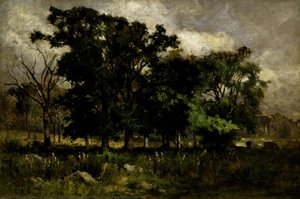
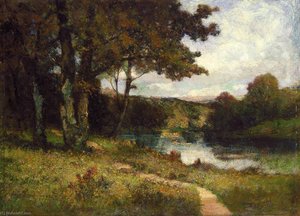
While Impressionism flourished in France, a distinctively American landscape tradition emerged in the late 19th century known as Tonalism. Artists like George Inness and Edward Mitchell Bannister sought to capture the spiritual essence of nature through subtle harmonies of color and tone.
Tonalist paintings often feature muted palettes, soft focus, and a sense of atmospheric mystery. They weren’t interested in depicting specific locations; rather, they aimed to evoke a feeling of tranquility and emotional resonance. Bannister's “Untitled (landscape with two cows)” is a prime example – the serene composition and delicate brushwork create a mood of quiet contemplation.
Albert Henry Krehbiel, another prominent American Impressionist painter, similarly focused on capturing atmospheric light and loose brushstrokes in his depictions of rural landscapes. These artists often drew inspiration from European traditions but developed their own unique style characterized by a distinctly American sensibility. The search for spiritual meaning in nature continued to be a central theme throughout the early 20th century.
Norwegian Majesty: Edvard Munch's Serene Landscapes and Emotional Depth
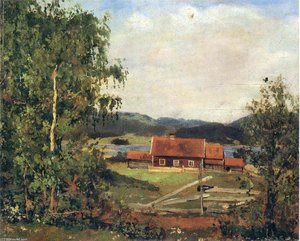
Edvard Munch, best known for his iconic expressionist works like “The Scream,” also created a series of stunning landscapes that reveal a deep connection to nature. His paintings of Norway’s fjords, mountains, and forests capture the raw beauty and emotional intensity of the Scandinavian landscape.
“Landscape. Maridalen by Oslo” exemplifies Munch's Impressionistic style – loose brushwork, vibrant colors, and a focus on capturing atmospheric effects. However, unlike the purely optical concerns of French Impressionism, Munch’s landscapes are imbued with a sense of psychological depth. The natural world serves as a mirror for his inner emotions, reflecting feelings of loneliness, anxiety, and longing.
Munch's work demonstrates that landscape painting can be more than just a depiction of scenery; it can be a powerful vehicle for expressing the human condition.
Cultivating Calm: Bringing the Tranquility of Landscape Art into Your Home
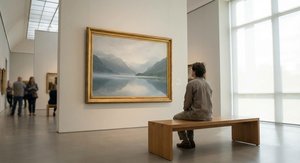
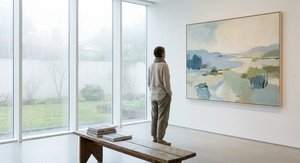
Throughout art history, landscapes have served as a source of solace, inspiration, and spiritual renewal. Whether you’re drawn to the idyllic scenes of the pastoral tradition, the fleeting moments captured by the Impressionists, or the emotional depth of Munch's Norwegian vistas, there’s a landscape painting to suit every taste.
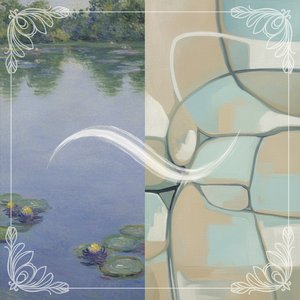
At ArtsDot, we offer a wide selection of handmade oil paintings and museum-quality prints featuring renowned artists and captivating landscapes. From Monet’s water lilies to Constable’s cloud studies, our collection allows you to bring the tranquility of nature into your home. Explore our diverse range of styles and sizes, and discover the perfect piece to create a serene and inviting atmosphere.
Consider the emotional impact of different colors and compositions when selecting a landscape painting. Cool blues and greens can evoke feelings of calm and relaxation, while warm yellows and oranges can create a sense of energy and vitality. Ultimately, the best landscape painting is one that resonates with you personally – a work that transports you to another place and time and inspires a sense of peace and well-being.