

The Enduring Power of Family Portraits: A Historical Perspective
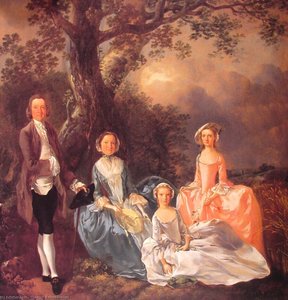
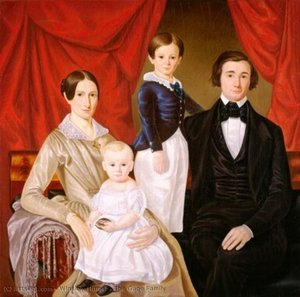 The Gage Family
Discover 'The Gage Family' by Winslow Homer (1846). This captivating portrait showcases three generations, capturing the essence of family life with remarkable detail and emotion.
For centuries, the portrait has been more than a mere likeness; it’s a powerful statement of identity, status, and familial connection. Initially reserved for royalty and the elite – think of the stately grandeur of Holbein's depictions or the imposing presence captured by Van Dyck – portraits served as emblems of power and lineage. As artistic techniques democratized, however, portraiture expanded its reach, reflecting a burgeoning middle class’s desire to preserve personal histories and celebrate their place in the world. This shift wasn’t simply about accessibility; it signaled a deeper cultural valuing of individual lives and the stories they contained. Winslow Homer’s works, such as ‘The Gage Family’ (1846) and ‘Brother and Sister,’ beautifully capture this evolving sentiment, portraying everyday life with remarkable detail and emotional resonance. These paintings weren't simply about who people were but how they lived – a focus that resonates deeply today.
The Victorian era witnessed a surge in sentimental portraiture, often featuring children and pets. Artists like Charles Burton Barber excelled at creating heartwarming scenes that idealized domestic life. This aesthetic wasn't merely saccharine; it reflected a growing emphasis on family values and the importance of childhood innocence – a reaction to the rapid industrialization and social upheaval of the time. The desire to capture these fleeting moments fueled demand for skilled artists who could translate emotion onto canvas, often commissioning works that emphasized virtue and familial piety. The 19th century also saw the rise of Realism, exemplified by artists like Thomas Waterman Wood, who documented post-Civil War America with unflinching honesty. This movement sought to portray life as it was, without idealization – a precursor to the personalized portraits we see today, which often aim for authenticity and emotional truth.
Choosing Your Artist: Styles, Techniques & Finding the Right Fit
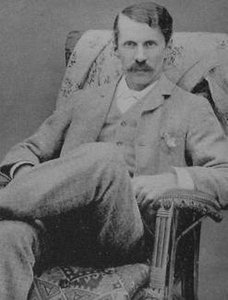 Charles Burton Barber
Charles Burton Barber (1845-1894): Beloved Victorian painter of heartwarming scenes featuring children & their animal companions, especially dogs. Known for royal commissions and sentimental style.
The modern trend towards personalized art builds on this rich history. Families are increasingly commissioning artists to create pieces that reflect their unique dynamics, incorporating multiple generations or celebrating specific milestones. But embarking on this journey begins with a crucial step: selecting an artist whose vision aligns with your own. Consider your family’s aesthetic preferences. Do you gravitate towards the realism of Homer and Wood, the sentimentality of Barber, or perhaps the more stylized approach of artists like Borovikovsky? Researching different styles – Impressionism, Renaissance, Modern – will help narrow down your options.
Look for an artist whose portfolio demonstrates a mastery of technique and attention to detail. Examine their previous work closely: How do they handle light and shadow? How accurately do they capture likenesses? Do their paintings evoke the emotions you’re hoping to convey? Beyond technical skill, consider the artist's communication style. A good artist will be receptive to your ideas, willing to collaborate on the composition, and transparent about their process. Clear communication is essential for ensuring a satisfactory outcome. Many artists specialize in specific subjects or styles; finding one with relevant experience – portraiture of children, animals, landscapes – will increase the likelihood of a successful result.
Materials & Methods: Canvas, Prints & Preserving Your Investment
The choice of materials—canvas, paper, or digital media—significantly impacts the longevity, aesthetic quality, and overall feel of the portrait. Oil on canvas remains the gold standard for heirloom-quality portraits. The rich textures, depth of color, and archival properties ensure that the painting will last for generations. However, oil paintings require more time to create and are typically a greater investment. Giclée prints offer a cost-effective alternative without sacrificing quality. Using high-resolution scans and archival inks, giclée prints can faithfully reproduce the nuances of an original painting. Choosing premium cotton canvas enhances the print’s texture and durability.
Digital portraits provide flexibility and convenience, ideal for sharing online or creating smaller reproductions. However, digital images lack the tactile quality and permanence of traditional media. The framing also plays a crucial role in enhancing the portrait's aesthetic appeal. Classic wooden frames complement traditional paintings, while modern metal frames suit contemporary styles. Regardless of your chosen medium, proper care is paramount. Protect oil paintings from direct sunlight, dust regularly with a soft brush, and consider professional framing with archival materials.
Capturing Authenticity: Domestic Realism and Emotional Depth in Portraiture
Domestic realism normally refers to the genre of 19th-century fictional works about the daily lives of ordinary Victorian women. This body of writing is also known as "sentimental fiction" or "woman's fiction". The genre is mainly reflected in the no...
Domestic realism, a genre prominent in 19th-century fiction, offers valuable insights into portraying authentic family life within portraits. Emerging from Victorian literature, domestic realism focused on the daily lives of ordinary women and their families. This style emphasized emotional depth, sentimental themes, and realistic depictions of everyday experiences. Authors like Harriet Beecher Stowe explored these themes in works such as ‘Our Country Neighbors,’ capturing the nuances of family relationships.
The conventions of domestic realism—focusing on heroines embodying ideals of virtue or practicality, exploring struggles for self-mastery, and emphasizing the importance of familial networks—can inform your portrait commission. Consider incorporating elements that reflect these themes: a shared activity, a meaningful setting, or expressions of love and connection. The genre also highlights the importance of capturing authenticity; avoid overly idealized portrayals and instead focus on representing your family as they truly are – with all their quirks and imperfections.
Commissioning a Multi-Generational Portrait: Composition & Storytelling
Successfully capturing the essence of multiple generations within a single portrait requires careful planning and artistic skill. Composition is key; consider arranging subjects in a way that highlights their relationships and creates visual harmony. A triangular composition can create a sense of stability, while a more dynamic arrangement can convey energy and movement. Pay attention to lighting and background – soft, diffused light creates a flattering atmosphere, while a meaningful backdrop—a family home or favorite landscape—adds context and emotional resonance.
Communicate your vision clearly to the artist. Provide reference photos of each subject, along with specific instructions regarding their pose, expression, and attire. Consider incorporating symbolic elements that represent your family’s history or values – a cherished heirloom, a shared hobby, or a significant location can add depth and meaning to the portrait. The goal is not simply to create a visual record but to tell a story—a narrative of connection, love, and enduring legacy.
Beyond the Likeness: Care, Display & Creating an Enduring Legacy
Preserving memories extends beyond the initial creation of the portrait; proper care and display are essential for ensuring its longevity. Protect the painting from direct sunlight, which can cause fading and discoloration. Hang it in a well-ventilated area away from sources of heat or moisture. Regularly dust the painting with a soft brush to remove dirt and debris. Avoid using harsh chemicals or abrasive cleaners. Consider professional framing with archival materials to protect the canvas from damage; UV-protective glass can further safeguard against fading.
A commissioned portrait is more than an artwork—it’s an investment in family history, offering a unique opportunity to create an enduring legacy that will be cherished for generations to come. ArtsDot simplifies this process with expert guidance and exceptional quality, connecting you with skilled artists who can transform your vision into a timeless masterpiece.