

Introduction: The Holistic Dining Experience – Beyond Taste
The modern diner is not merely seeking sustenance; they crave an experience, a carefully constructed narrative woven from atmosphere, service, and, crucially, design. For decades, the restaurant industry has understood the power of ambiance, but recent advancements in behavioral psychology have illuminated just how profoundly interior spaces shape perception, influence behavior, and ultimately dictate success. This isn’t simply about creating a visually pleasing environment; it's about orchestrating an emotional response that elevates the entire dining journey. The subtle interplay of color, texture, lighting, and spatial arrangement transcends mere aesthetics, becoming integral components of a restaurant’s identity and a powerful driver of customer loyalty. We are entering an era where design isn’t just *in* the experience—it *is* the experience.
The Psychology of Ambiance: How Restaurant Design Shapes Perception
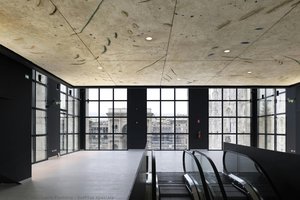
Our brains are remarkably adept at interpreting environmental cues, often subconsciously. The initial impression a restaurant makes – within seconds of entry – is largely determined by these cues and forms the foundation for all subsequent evaluation. This phenomenon, rooted in evolutionary psychology, speaks to our innate need for safety, comfort, and social connection. A well-designed space instinctively communicates trustworthiness and quality. Consider the historical evolution of dining establishments: grand, ornate interiors signaled affluence and prestige, while cozy, intimate settings fostered a sense of community and relaxation. Today’s successful restaurants skillfully leverage this understanding, employing design elements to curate specific emotional responses. For example, high ceilings and expansive layouts can evoke feelings of freedom and sophistication, appealing to diners seeking a premium experience. Conversely, lower ceilings and more enclosed spaces create intimacy, ideal for romantic dinners or close-knit gatherings. The strategic use of visual dividers – screens, plants, varying furniture heights – subtly influences social dynamics within the space, guiding flow and encouraging desired interactions.
Color, Lighting & Materiality: Evoking Emotion and Appetite
The power of color is undeniable. Red, famously associated with appetite stimulation, is a staple in fast-food branding, prompting quick decisions and increased consumption. However, subtlety is key; an overabundance can feel aggressive or overwhelming. Warm tones – ochres, terracotta, muted oranges – foster feelings of comfort and conviviality, while cooler hues – blues, greens, grays – promote relaxation and sophistication. Lighting plays a similarly crucial role. Harsh fluorescent lighting diminishes appetite and creates a sterile atmosphere, whereas soft, warm illumination enhances the visual appeal of food and encourages lingering. The layering of light sources—ambient, task, accent—adds depth and dimension, creating focal points and highlighting architectural features. Materiality further contributes to the sensory experience. Natural materials – wood, stone, linen – evoke authenticity and warmth, while sleek, modern surfaces convey sophistication and innovation. The careful selection of these elements isn’t arbitrary; it's a deliberate attempt to tap into subconscious associations and shape diner perception.
Spatial Harmony & Flow: Optimizing Layout for Comfort and Engagement
Beyond individual elements, the overall spatial arrangement profoundly impacts the dining experience. A poorly planned layout can lead to congestion, noise levels, and a sense of claustrophobia, detracting from enjoyment. Conversely, a thoughtfully designed space prioritizes flow, creating clear pathways and comfortable seating arrangements. The concept of proxemics – the study of personal space – is particularly relevant here. Adequate spacing between tables ensures privacy and allows for relaxed conversation. Booths offer a sense of seclusion and intimacy, while communal tables foster social interaction. The placement of key elements—the bar, restrooms, kitchen entrance—should be strategically considered to minimize disruption and maximize efficiency. Open kitchens, increasingly popular in contemporary restaurants, provide transparency and showcase culinary skill, enhancing the perceived value of the dining experience. However, careful attention must be paid to noise control and ventilation to prevent distractions or unpleasant odors. The goal is to create a seamless flow that allows diners to move comfortably through the space without feeling rushed or overwhelmed.
Art as a Cornerstone of Identity: Curating a Narrative Through Visuals
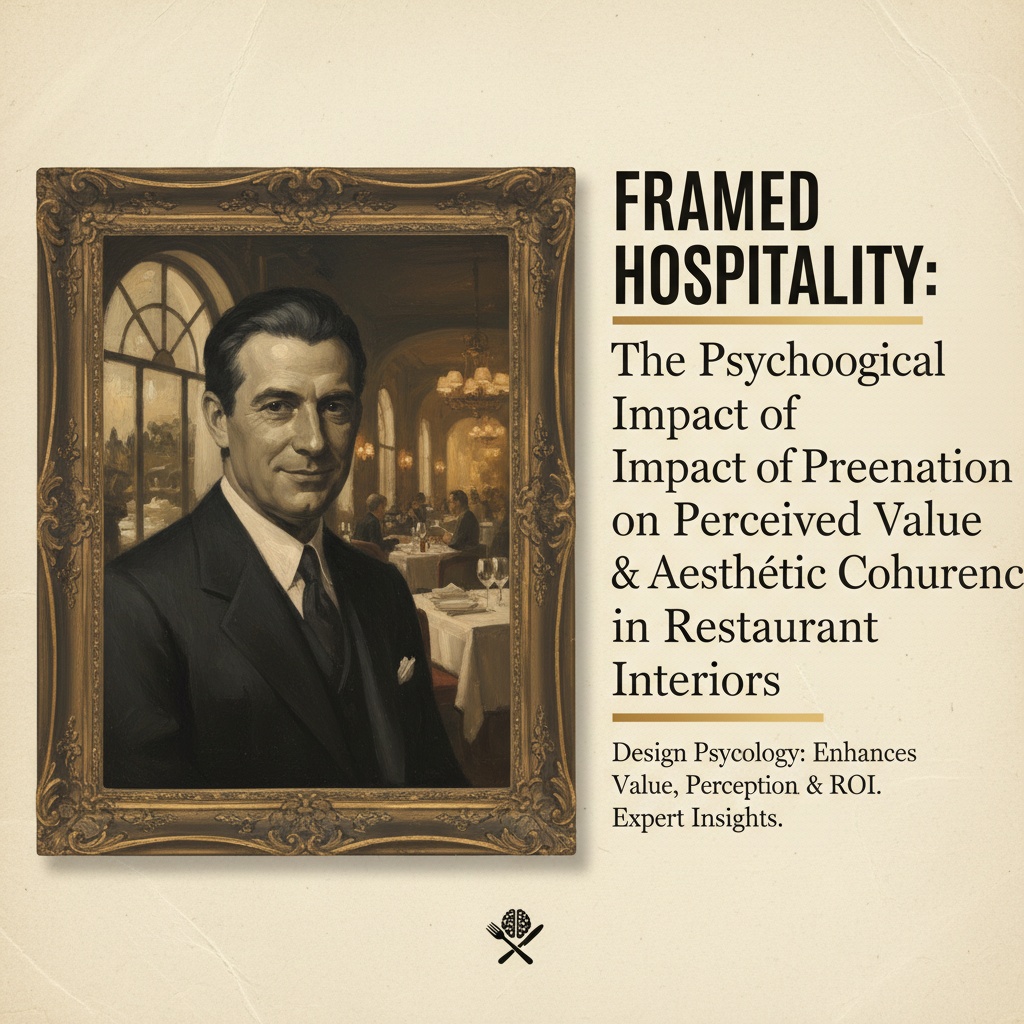
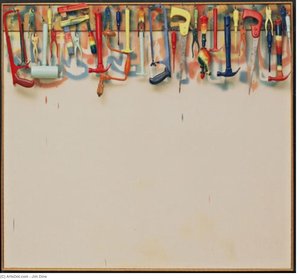
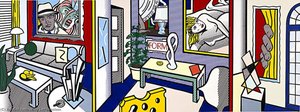
Artwork transcends mere decoration; it serves as a powerful tool for establishing brand identity and communicating a restaurant’s unique narrative. A carefully curated collection can evoke specific emotions, reinforce thematic elements, and create a lasting impression on diners. Consider the difference between a minimalist abstract painting in a modern bistro versus a series of vintage botanical prints in a farm-to-table eatery. The artwork should complement the overall design aesthetic and reflect the restaurant’s culinary philosophy. Investing in bespoke art—commissioning original pieces tailored to the space—demonstrates a commitment to quality and individuality. Furthermore, strategically placed murals can transform otherwise bland walls into captivating focal points, adding depth and visual interest. The scale of the artwork is also crucial; larger pieces command attention and create a sense of grandeur, while smaller works add subtle sophistication. At ArtsDot.com, we specialize in providing high-quality reproductions and custom art solutions that seamlessly integrate with your design vision.
The ROI of Aesthetic Investment: Enhancing Perceived Value and Customer Loyalty
While quantifying the return on investment (ROI) for aesthetic improvements can be challenging, numerous studies demonstrate a clear correlation between design quality and financial performance. Restaurants with visually appealing interiors consistently attract more customers, command higher prices, and enjoy increased customer loyalty. The perceived value of the dining experience is directly influenced by the ambiance; diners are willing to pay a premium for a well-designed space that enhances their enjoyment. Furthermore, aesthetically pleasing environments foster positive word-of-mouth marketing and encourage social media sharing, amplifying brand reach. Investing in high-quality art, comfortable furnishings, and thoughtful lighting isn’t simply an expense—it's a strategic investment in long-term success. By prioritizing design, restaurants can differentiate themselves from competitors, cultivate a loyal customer base, and ultimately achieve sustainable growth. ArtsDot.com offers a comprehensive range of services – from art consultation to custom reproduction and framing – designed to help hospitality professionals maximize their aesthetic investment and create unforgettable dining experiences.