

Early Life & Artistic Foundations: A Cuban Vision Takes Shape
Francisco Gutiérrez Cossío, often known as Pancho Cossío, emerged from the vibrant cultural landscape of Cuba in 1938, a period steeped in both political upheaval and artistic ferment. His early life was profoundly shaped by the nation’s complex identity—a blend of Spanish colonial heritage, African influences, and burgeoning revolutionary spirit. While formal training at the San Alejandro Academy of Fine Arts provided him with a solid grounding in traditional techniques, it was his innate sensitivity to the human condition and an evolving social consciousness that truly defined his artistic trajectory. Unlike many contemporaries who immediately embraced abstract expressionism, Cossío’s roots remained firmly planted in realism, though one quickly tempered by a distinctly Cuban sensibility. He wasn't merely replicating what he saw; he was interpreting it through a lens of empathy and critical observation, seeking to capture the essence of everyday life with an honesty that resonated deeply within his community.
The Rise of Social Realism: Cossío’s Engagement with Political Themes
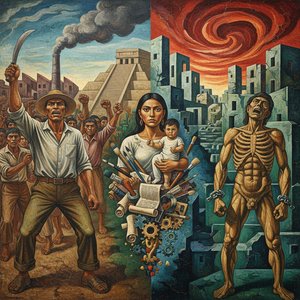
Social realism is work produced by painters, printmakers, photographers, writers, filmmakers and some musicians that aims to draw attention to the real socio-political conditions of the working class as a means to critique the power structures behind...
The post-revolutionary fervor in Cuba provided fertile ground for artists committed to social commentary. While not directly aligned with the rigid tenets of Soviet Socialist Realism, Cossío wholeheartedly embraced its core principles—the depiction of ordinary people and their struggles as a means of challenging established power structures. His canvases began to feature laborers, farmers, and marginalized communities, rendered with a powerful sense of dignity and resilience. This wasn’t simply about documenting poverty or hardship; it was about elevating the status of those often overlooked by society. El mozallón de las naranjas, painted in 1964, exemplifies this approach—a nude figure amidst lemons isn't a mere study of form but a symbolic representation of abundance and vulnerability within a complex socio-economic context. The warm textures and impressionistic brushwork belie the underlying tension and quiet protest embedded within the composition. Cossío’s work during this period wasn’t overtly propagandistic; rather, it was a nuanced exploration of Cuban identity in the wake of profound change.
Muralism & National Identity: Transforming Public Spaces in Cuba
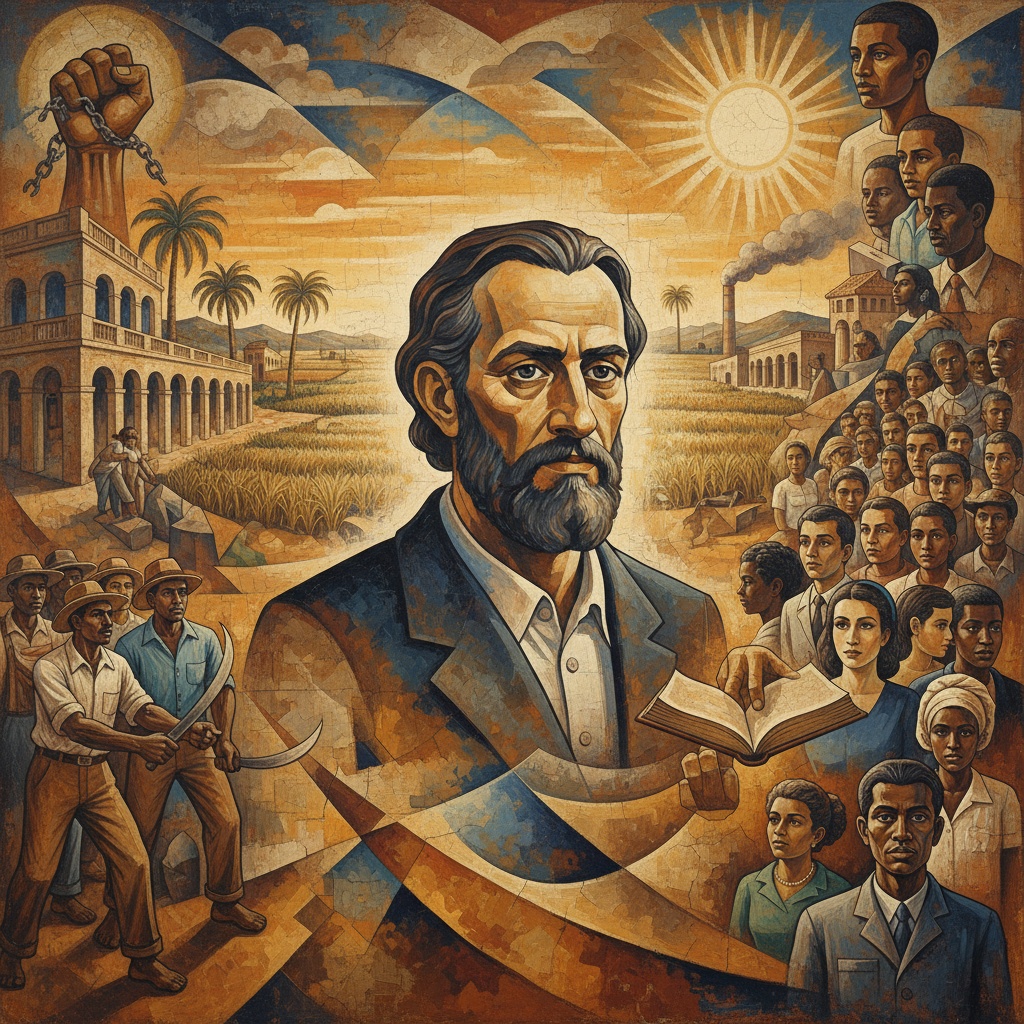
Mexican muralism refers to the art project initially funded by the Mexican government in the immediate wake of the Mexican Revolution (1910–1920) to depict visions of Mexico's past, present, and future, transforming the walls of many public buildings...
Cossío's engagement with muralism proved pivotal in shaping his artistic voice and solidifying his commitment to public art. Inspired by the Mexican Muralist movement—particularly the work of Diego Rivera, José Clemente Orozco, and David Alfaro Siqueiros—he recognized the power of large-scale artworks to engage directly with a broad audience. However, Cossío’s murals weren't simply imitations of their northern counterparts; they were distinctly Cuban in subject matter and style. He sought to depict scenes from Cuban history, folklore, and daily life, transforming public buildings into vibrant narratives that celebrated the nation’s cultural heritage. These projects weren’t merely aesthetic endeavors; they were acts of collective identity-building, designed to foster a sense of national pride and social cohesion. The murals served as accessible art for all Cubans, breaking down barriers between the elite art world and the everyday citizen.
Portraits and Still Lifes: Intimate Reflections of a Changing Society
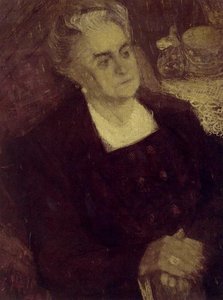 Retrato de Dña. Antonia Cuevas de Revilla
Admire Francisco Gutiérrez Cossio’s ‘Retrato de Dña. Antonia Cuevas,’ a rich oil painting capturing an elderly woman's essence. 19th-century realism, impasto texture & melancholic beauty – a unique art investment.
Beyond his monumental murals, Cossío excelled in portraiture and still life painting, revealing a remarkable sensitivity to human emotion and an exquisite mastery of light and shadow. Retrato de Dña. Antonia Cuevas de Revilla, painted in 1958, is a testament to his ability to capture the essence of his subjects—an elderly woman rendered with profound dignity and melancholic beauty. The impasto texture adds depth and physicality to the portrait, conveying a sense of lived experience and quiet resilience. Similarly, his still lifes weren’t merely decorative arrangements; they were imbued with symbolic meaning, often reflecting themes of abundance, decay, and the passage of time. These intimate works offered a counterpoint to his larger-scale social commentaries, revealing a more personal and contemplative side of his artistic practice.
Cossío's Unique Style: Blending Tradition, Modernity, and Emotional Depth
What sets Cossío apart is his ability to seamlessly blend traditional techniques with modern sensibilities. He wasn’t afraid to experiment with color palettes and brushwork, often incorporating elements of impressionism into his realist compositions. This unique fusion created a visual language that was both accessible and intellectually stimulating. His use of vibrant colors—often inspired by the lush landscapes of Cuba—evoked a sense of warmth and vitality, while his masterful handling of light and shadow added depth and emotional resonance to his works. Puerto, painted in 1970, showcases this perfectly – the evocative scenes are alive with color, capturing the energy and spirit of Cuban life. He wasn’t bound by rigid stylistic conventions; instead, he drew inspiration from a wide range of sources, creating a body of work that is both distinctly Cuban and universally appealing.
Legacy and Influence: Cossío’s Enduring Impact on Cuban Art
Francisco Gutiérrez Cossío left an indelible mark on Cuban art. His commitment to social realism, his celebration of national identity, and his unique artistic style continue to inspire generations of artists. While he may not have achieved the same international renown as some of his contemporaries, his influence within Cuba remains profound. He demonstrated that art could be both aesthetically beautiful and politically engaged, a powerful tool for social commentary and collective identity-building. His works are now held in numerous public and private collections, serving as enduring reminders of a vibrant artistic vision and a commitment to portraying the complexities of Cuban life. Explore our comprehensive collection of Francisco Gutiérrez Cossío artworks at ArtsDot.com and discover the captivating beauty and enduring legacy of this pivotal Cuban painter.