
The Dawn of Art History: From Ancient Origins to Renaissance Reverie
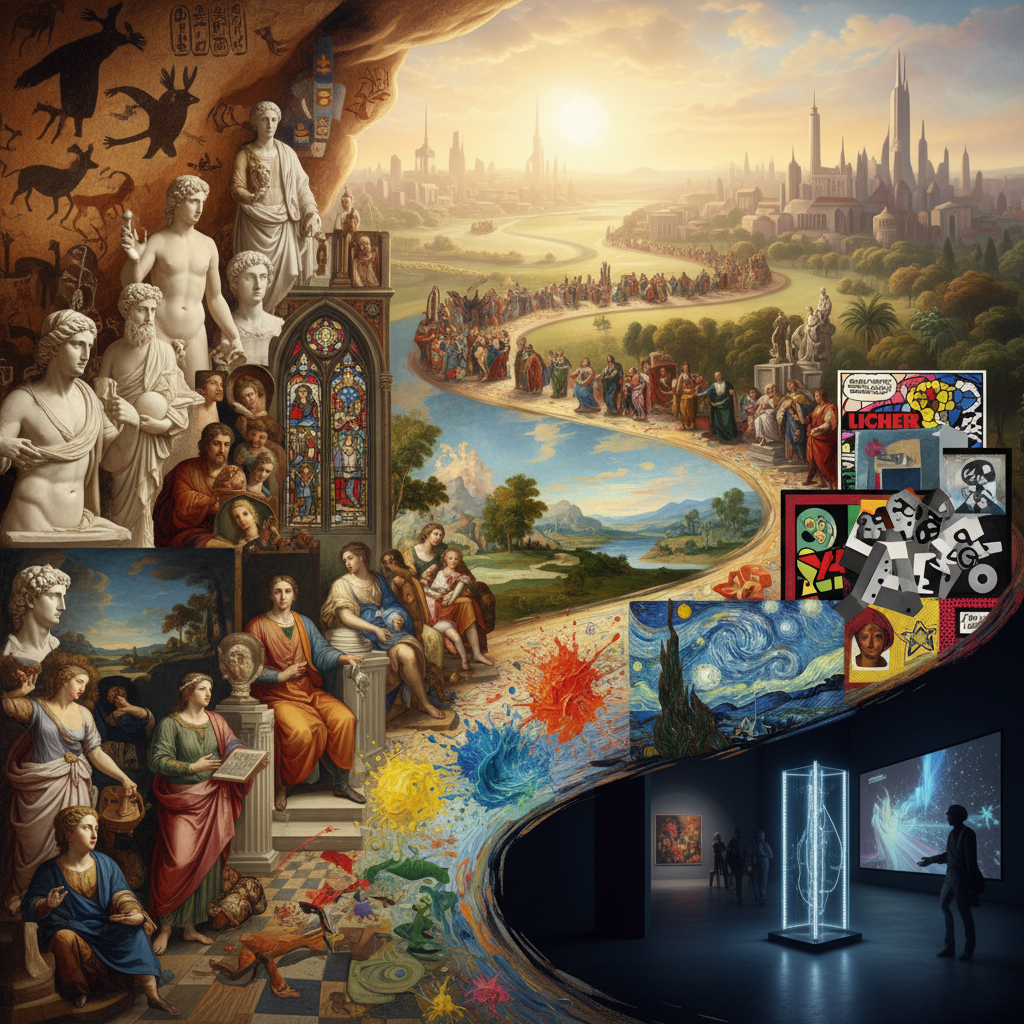
The impulse to create, to depict the world around us – both seen and imagined – is as old as humanity itself. Art history isn’t merely a chronicle of paintings and sculptures; it's a profound exploration of the human condition, reflected through millennia of evolving techniques, beliefs, and societal shifts. Its roots lie not in grand academies or formal training, but in the very first cave paintings at Lascaux and Altamira, where ochre-stained hands captured the essence of prehistoric life. These weren’t simply depictions of animals; they were likely imbued with ritualistic significance, attempts to exert control over the natural world through sympathetic magic. From the monumental architecture of ancient Egypt – pyramids rising as testaments to pharaohs and the afterlife – to the graceful forms of Greek sculpture, celebrating idealized human beauty, early art served powerful religious, political, and commemorative functions.
The Roman Empire, inheriting and adapting much from Greece, expanded artistic expression through portraiture and architectural innovation. But it was during the Medieval period that a distinct shift occurred, with Christian iconography dominating artistic production. The Byzantine mosaics of Ravenna shimmered with gold, conveying spiritual transcendence, while Romanesque and Gothic cathedrals soared towards heaven, their stained-glass windows filtering light into ethereal spaces. These weren’t just buildings; they were *theological statements* in stone and glass.
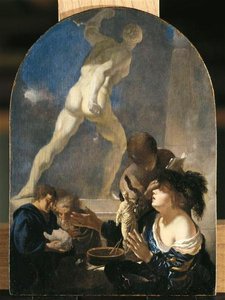
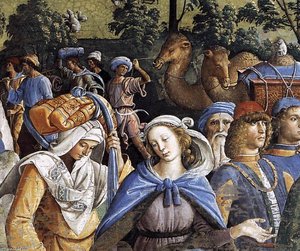
The Renaissance, however, marked a pivotal turning point. A renewed interest in classical antiquity sparked a revolution in artistic thought and practice. Artists like Leonardo da Vinci, Michelangelo, and Raphael didn't simply replicate the past; they built upon it, incorporating scientific observation, anatomical accuracy, and innovative techniques like perspective to create works of unprecedented realism and emotional depth. Rembrandt’s masterful use of chiaroscuro – the dramatic interplay of light and shadow – in his “History Painting” (1626) exemplifies this period's commitment to psychological insight and technical brilliance. The Renaissance wasn’t just a rebirth of art; it was a rebirth of human potential.
Art as Mirror & Catalyst: Reflecting Society Through the Ages
Throughout history, art has functioned as both a mirror reflecting societal values and a catalyst for change. The Baroque period, born from the Counter-Reformation, embraced drama, grandeur, and emotional intensity – think of Caravaggio’s visceral depictions of religious scenes or Bernini's dynamic sculptures. The 18th century saw the rise of Rococo, with its playful elegance and aristocratic sensibilities, while Neoclassicism looked back to classical ideals of order and reason, often serving as a visual language for Enlightenment thought.
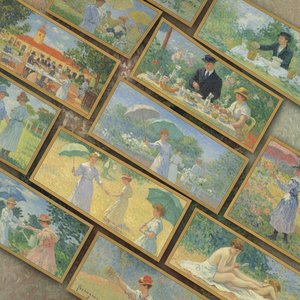
The 19th century witnessed an explosion of artistic movements responding to rapid social and political upheaval. Romanticism rejected the rationality of the Enlightenment, embracing emotion, imagination, and the sublime power of nature. Realism, championed by artists like Gustave Courbet, sought to depict everyday life with unflinching honesty, challenging academic conventions. Impressionism, with its focus on capturing fleeting moments of light and color – Degas’ “The Absinthe Drinker” being a poignant example of Parisian life and isolation – revolutionized painting techniques and paved the way for modern art.
Art isn't created in a vacuum. It is inextricably linked to the social, political, and economic forces that shape its context. Consider how Goya’s “The Third of May 1808” powerfully condemned the brutality of war, or Picasso’s “Guernica,” a searing indictment of fascism. These works aren't just aesthetically compelling; they are powerful statements about human suffering and injustice.
Styles, Movements & Masterpieces: A Concise Exploration
The 20th and 21st centuries have been characterized by an unprecedented diversity of artistic styles and movements. From the fragmented forms of Cubism – pioneered by Picasso and Braque – to the dreamlike imagery of Surrealism, artists challenged traditional notions of representation and explored the depths of the subconscious mind. Abstract Expressionism, with its emphasis on spontaneous gesture and emotional intensity, marked a shift towards non-representational art. Pop Art embraced popular culture, blurring the boundaries between high and low art.
Each movement built upon – or reacted against – what came before. Minimalism stripped art down to its essential forms, while Conceptual Art prioritized ideas over aesthetics. Postmodernism questioned grand narratives and celebrated eclecticism and appropriation. Today, contemporary art continues to push boundaries, incorporating new technologies, materials, and perspectives.
Identifying key masterpieces within this vast landscape is a subjective endeavor, but certain works consistently resonate with audiences across generations. Michelangelo’s Sistine Chapel ceiling, Van Gogh’s “Starry Night,” Monet’s water lilies, and Warhol’s iconic portraits are just a few examples of artworks that have achieved enduring cultural significance.
Beyond the Canvas: The Enduring Legacy and Modern Relevance of Art History
The study of art history isn't simply about memorizing dates and names; it’s about developing critical thinking skills, cultivating visual literacy, and understanding the complex interplay between art, culture, and society. It allows us to connect with the past, appreciate diverse perspectives, and gain insights into the human experience.
Moreover, art history remains profoundly relevant in the 21st century. The principles of design, composition, and visual communication are essential in fields ranging from advertising and marketing to architecture and technology. Artists continue to draw inspiration from historical precedents, reinterpreting and reimagining past styles for contemporary audiences. The cultural impact of artists like Beyoncé – who has revolutionized music production, visuals, and performance art – demonstrates the enduring power of artistic innovation.
Ultimately, art history reminds us that creativity is a fundamental human drive, one that transcends time and culture. By engaging with the masterpieces of the past, we can deepen our understanding of ourselves and the world around us, fostering empathy, imagination, and a lifelong appreciation for the beauty and power of art.