The Enduring Legacy: Classical Portraiture & Societal Values
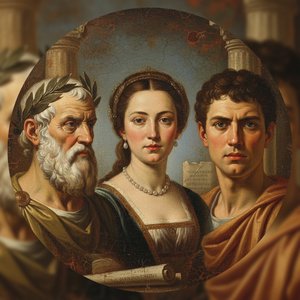
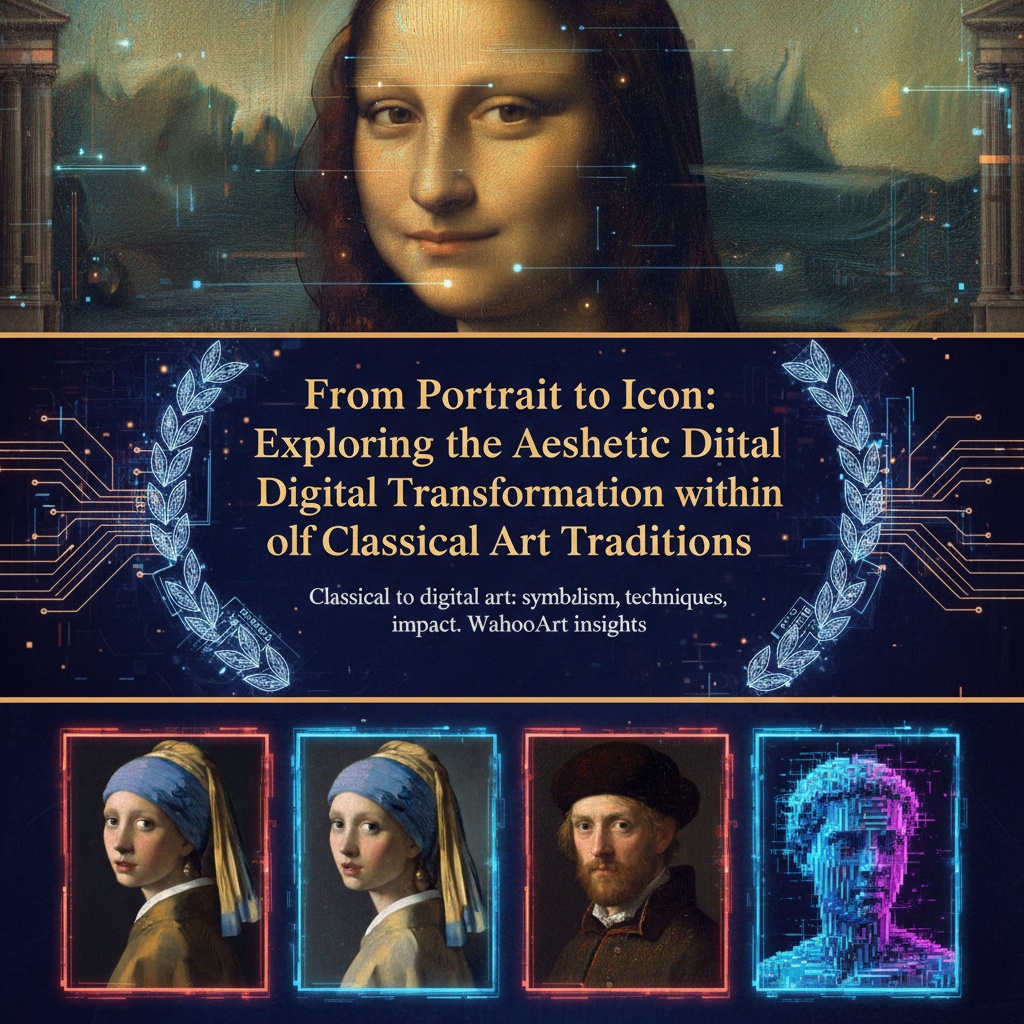
Portraiture, at its most profound, isn’t simply about capturing a likeness; it's an act of distillation – a striving to encapsulate not just *what* someone looked like, but *who* they were within the intricate tapestry of their time. From the solemn grandeur of Egyptian pharaoh busts to the intimate realism of Renaissance paintings, this enduring art form has served as both a mirror reflecting societal values and a powerful tool for shaping perceptions. The earliest portraits weren’t merely aesthetic exercises; they were declarations of power, assertions of divinity, and testaments to lineage. Consider the stoic faces carved in stone by ancient civilizations – these images weren't intended to be fleeting impressions but eternal embodiments of authority. As societies evolved, so too did the purpose and presentation of portraiture. The Roman era refined this practice, emphasizing civic duty and ancestral veneration with increasingly realistic sculptures. But it was during the Renaissance that portraiture truly blossomed into an art form focused on individual personality, a shift driven by humanism and a renewed interest in the complexities of the inner life.
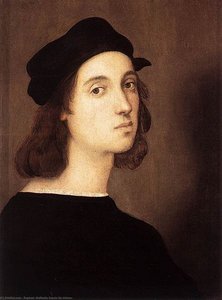
The rise of oil painting techniques allowed artists like Leonardo da Vinci and Raphael to achieve unprecedented levels of realism and psychological depth. The subtle blending of tones – *sfumato* – created an ethereal quality, imbuing portraits with a sense of mystery and emotional resonance. These weren’t just images; they were narratives, revealing stories about status, ambition, and personal history. The Baroque period further amplified this narrative power, with masters like Rembrandt utilizing chiaroscuro—the dramatic interplay of light and shadow—to emphasize emotion and psychological complexity. A portrait became a stage for the subject's inner world, illuminated by carefully orchestrated contrasts.
From Brushstrokes to Pixels: The Technological Evolution of Likeness
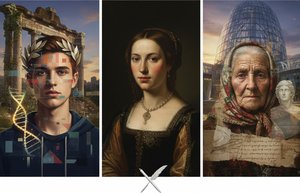
The 19th century irrevocably altered the course of portraiture with the invention of photography. Initially viewed as a mechanical process, it quickly became apparent that photography possessed its own artistic potential. Pioneers like Julia Margaret Cameron demonstrated that capturing likeness wasn’t solely dependent on meticulous brushstrokes; mood, atmosphere, and composition could be equally powerful tools for conveying personality. This period marked a democratization of portraiture, making it accessible to a wider audience beyond the elite. However, the shift wasn't without its complexities. The very act of representation was questioned – what did it mean to capture reality through a lens versus through the subjective interpretation of an artist? The 20th century witnessed further experimentation with new mediums and techniques, challenging traditional notions of portraiture altogether.
Symbolism & Status: Decoding the Hidden Meanings in Portraits
Throughout history, portraits have been laden with symbolism, adding layers of meaning beyond mere physical resemblance. Objects held by the subject, the background setting, even the clothing worn – every element could convey hidden messages and cultural references. In Renaissance paintings, a book might represent knowledge and learning, while a flower symbolized beauty and innocence. Baroque portraits frequently incorporated symbols of power and authority, such as crowns, scepters, and military attire. Consider Li Gonglin’s ‘The Classic of Filial Piety,’ where the courtly setting and detailed depictions aren't simply aesthetic choices but deliberate representations of traditional Chinese aesthetics and Confucian values. Understanding these symbolic cues is crucial to fully appreciating the artistry and intent behind a portrait.
The Power of the Gaze: Identity, Representation, and Historical Context
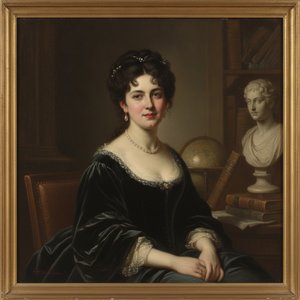
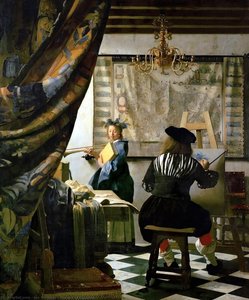
The enduring gaze in classical portraiture isn’t merely about eye contact; it's a reflection of societal power dynamics and historical attitudes towards identity. Examining how subjects are depicted—their posture, expression, and interaction with the viewer—reveals insights into prevailing ideologies. In many early portraits, subjects were depicted as stoic and dignified, asserting their authority and lineage through a direct and commanding gaze. During the Renaissance, portraits of women frequently emphasized their beauty and virtue, reflecting societal expectations of femininity. The 19th century saw a shift towards more intimate and psychological depictions, with subjects engaging in emotional expressions and revealing vulnerabilities. Contemporary artists continue to challenge traditional notions of the gaze, exploring themes of power, identity, and representation. Johannes Vermeer’s ‘The Art of Painting,’ for example, invites viewers to contemplate the very act of seeing and being seen, questioning the relationship between artist, subject, and audience.
Renaissance Masters to Modern Icons: Key Movements in Portraiture History
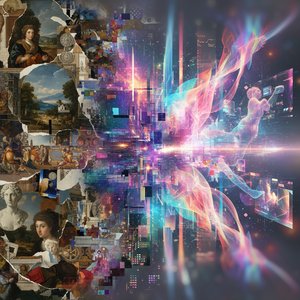
The evolution of portraiture isn't a linear progression but rather a series of dynamic shifts and responses. The Renaissance laid the foundation for realism and psychological depth, while the Baroque period amplified emotional intensity through dramatic lighting and composition. The 19th century brought the democratization of portraiture with photography, followed by the radical experimentation of modern art movements like Cubism, Surrealism, and Expressionism. Pablo Picasso’s fragmented perspectives challenged conventional notions of representation, while Francis Bacon delved into the darker aspects of human existence through distorted figures and unsettling imagery. The 20th century also saw the rise of Pop Art, utilizing bold colors and mass media imagery to create iconic portraits that reflected consumer culture. Today, digital art continues to push boundaries, offering unprecedented tools for manipulation, customization, and self-expression. From the meticulous brushstrokes of Leonardo da Vinci to the pixelated avatars of the virtual world, portraiture remains a powerful testament to humanity’s enduring desire for remembrance, self-understanding, and artistic innovation.