

The Allure of Personalized Art: Why Commissioning a Painting is More Than Just Replication
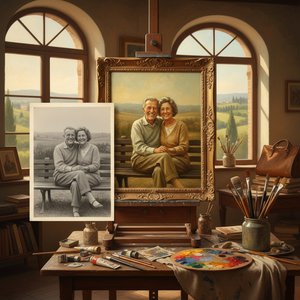
For centuries, portraiture has been more than mere representation; it’s an act of remembrance, a declaration of status, and a profound exploration of the human spirit. While photography swiftly captured likenesses, it often lacked the soul, the nuance, the very essence of its subject. Commissioning a painting, however, transcends simple replication. It's a deliberate choice to imbue a moment with lasting beauty, to transform a fleeting image into an enduring heirloom—a tangible connection to loved ones and cherished memories. The act itself is steeped in history, echoing the traditions of Renaissance courts and Victorian parlors, yet it remains remarkably relevant today, offering a unique avenue for self-expression and artistic collaboration.
Choosing Your Artist: Style, Portfolio & Ensuring a Perfect Collaboration
The foundation of any successful commission lies in selecting an artist whose vision aligns with your own. This isn’t simply about technical skill—though that is undeniably important—but rather finding someone who understands the emotional weight you wish to convey. A thorough review of their portfolio is paramount. Do they favor the meticulous realism of John Singer Sargent, capturing every detail with breathtaking accuracy? Or perhaps the evocative brushstrokes and atmospheric light of Impressionism, reminiscent of Monet or Renoir? Consider whether their style lends itself to your subject matter; a playful Pop Art aesthetic might be ideal for a beloved pet portrait, while a more classical approach could suit a formal family likeness. Beyond the artwork itself, communication is key. A skilled artist will engage in thoughtful dialogue, exploring your preferences regarding composition, color palette, and overall mood. Don’t hesitate to ask questions about their process, materials, and experience—a transparent collaboration fosters trust and ensures a result that truly reflects your vision.
From Snapshot to Canvas: Selecting the Ideal Reference Photographs for Stunning Results
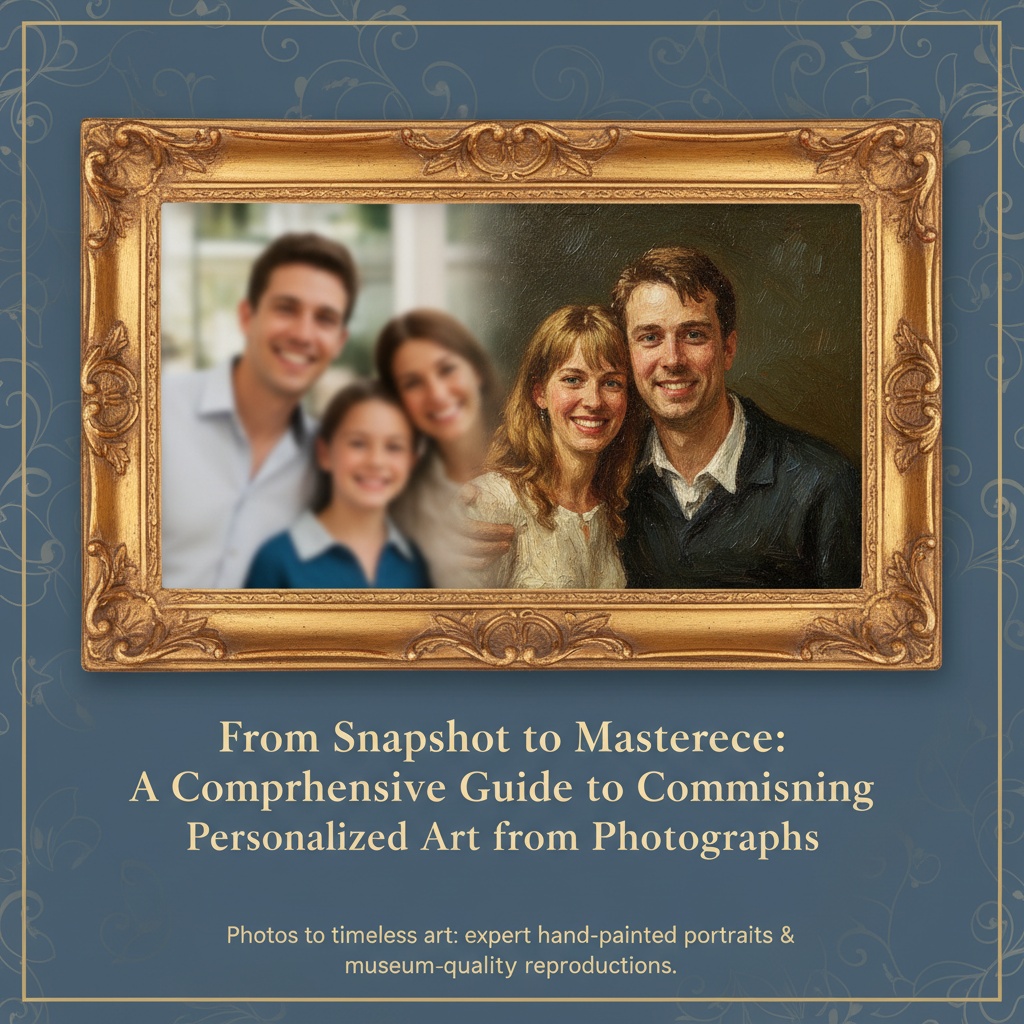
The quality of your reference photographs directly impacts the final painting. While an artist can work from less-than-ideal images, high resolution is crucial—think at least 300 DPI—providing ample detail for accurate representation. Lighting plays a pivotal role; natural light is always preferable, avoiding harsh shadows or overexposure that obscures features. Clarity is equally important; sharp, focused images ensure the artist can capture subtle nuances and expressions. Ideally, provide multiple photographs showcasing different angles and lighting conditions. A photograph capturing a genuine emotion will invariably translate more effectively than a posed shot. Avoid heavily filtered or edited photos, as these can distort the original image and hinder accuracy. Remember, the photograph serves as the foundation for the painting; investing time in selecting the best possible references is an investment in the final result.
Materials Matter: Oil, Watercolor, Acrylic – Understanding the Differences and Longevity
The choice of materials profoundly influences the aesthetic qualities and longevity of your commissioned artwork. Oil paint, historically favored by masters like Rembrandt and Van Gogh, remains the gold standard for museum-quality reproductions. Its rich pigments offer unparalleled depth and luminosity, allowing for subtle blending and intricate detail. However, oil paintings require time to dry—often several weeks or months—and demand careful handling. Watercolor, with its delicate washes and translucent effects, is ideal for softer portraits or landscapes, evoking a sense of ethereal beauty. While less durable than oil, watercolor paintings can be beautifully preserved under glass. Acrylic paint offers versatility and quick drying times, making it suitable for various styles. Though not as rich as oil, acrylics are water-resistant and fade-resistant, providing a practical option for modern interiors. The support—canvas, paper, or panel—also plays a crucial role; canvas provides texture and durability, while paper lends itself to watercolor’s fluidity.
The Commissioning Process: A Step-by-Step Guide from Initial Consultation to Final Approval
Commissioning a painting typically unfolds in several distinct stages. It begins with an initial consultation, where you discuss your vision with the artist—style, size, composition, and reference photos. This is followed by sketch approval; the artist creates preliminary sketches outlining the overall layout for your feedback. For complex commissions, a digital mockup may be provided, allowing you to visualize the painting before work commences. The painting process itself unfolds layer by layer, with the artist providing updates throughout. Finally, upon completion, you receive detailed photographs of the finished piece for final approval. Framing and shipping are carefully handled, ensuring your artwork arrives safely and securely. A reputable artist will prioritize open communication at every stage, fostering a collaborative experience that results in a painting perfectly aligned with your expectations.
Preserving Your Legacy: Caring for & Protecting Your Investment in Fine Art
A commissioned painting is more than just an object; it’s an heirloom—a tangible connection to cherished memories. Proper care ensures its longevity, safeguarding your investment for generations. Framing with archival-quality materials—acid-free mats and UV-protective glass—is essential to prevent fading and damage. Avoid direct sunlight, which can cause colors to deteriorate over time. Maintain a stable environment with moderate humidity and temperature levels. Gently dust the painting regularly with a soft brush or cloth. For any necessary repairs or cleaning, consult a professional art restorer. By investing in proper care, you ensure your artwork remains beautiful and vibrant for years to come—a lasting testament to your love and appreciation.