The Dawn of Realism: Challenging Academic Tradition
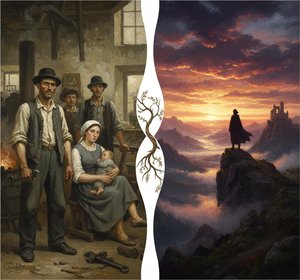
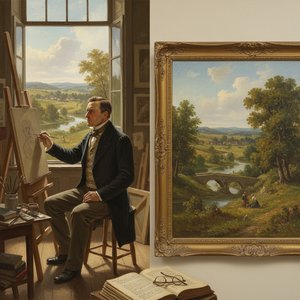
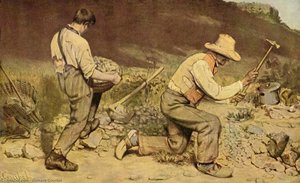
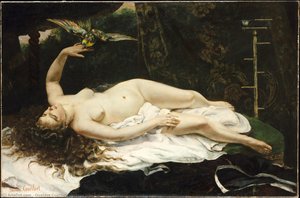
Before Gustave Courbet, French painting largely adhered to the dictates of the Academy—a world steeped in classical mythology, historical grandeur, and idealized forms. Artists were expected to elevate, to inspire, to present a vision of beauty divorced from the mundane realities of everyday life. Courbet shattered this convention with an audacious declaration: he would paint only what he could see. This wasn’t merely a stylistic choice; it was a philosophical rebellion against the established order, a commitment to truth and authenticity that irrevocably altered the course of art history. He rejected the “literary painting” favored by his predecessors, works laden with narrative symbolism intended to instruct or moralize. Instead, Courbet sought to capture the raw, unvarnished essence of existence, even – and perhaps especially – when that existence was unflattering or uncomfortable. This commitment wasn’t born from a lack of skill; quite the contrary, Courbet possessed formidable technical abilities, which he deliberately employed to depict subjects previously deemed unworthy of artistic attention.
Courbet's Ornans: A Radical Depiction of Everyday Life
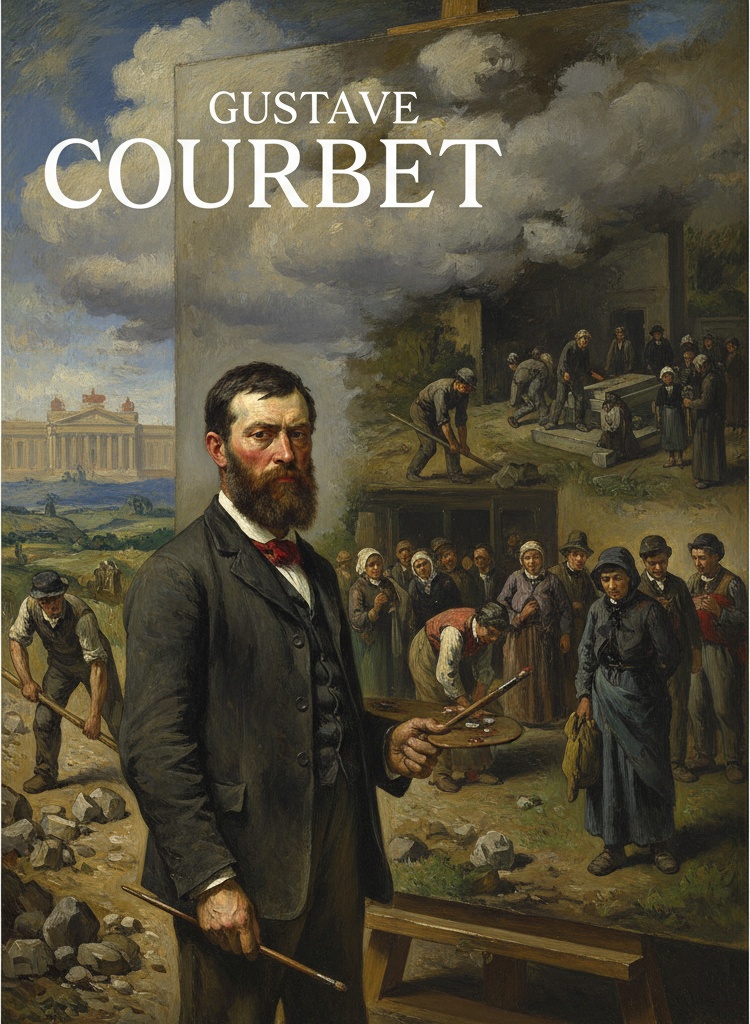
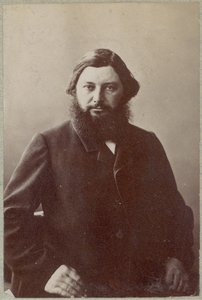 Gustave Courbet
Gustave Courbet (1819-1877): Pioneer of Realism. Explore paintings depicting everyday life & working class subjects like 'A Burial at Ornans'. Discover his revolutionary impact on 19th-century art.
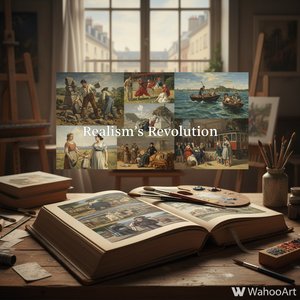
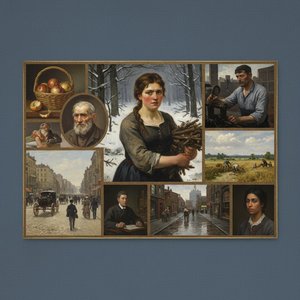
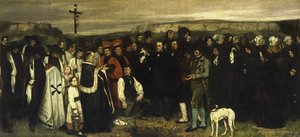
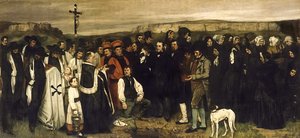
The village of Ornans, nestled in the Franche-Comté region of eastern France, became both the setting and the subject matter for many of Courbet’s most groundbreaking works. His paintings weren’t idyllic pastoral scenes; they were unflinching portrayals of rural life – its labor, its social structures, its very ordinariness. A Burial at Ornans (1849-50) stands as a monumental example of this radical approach. Unlike the carefully composed and emotionally charged historical paintings that dominated the Salon, Courbet presented a sprawling, almost frieze-like depiction of a provincial funeral. The figures aren’t idealized heroes or grieving beauties; they are ordinary villagers, rendered with a stark realism that shocked contemporary audiences. The scale itself was provocative – traditionally reserved for grand narratives, it was now applied to a scene of commonplace mourning. This wasn't simply *about* a burial; it was about the lives lived and lost in rural France, presented without sentimentality or embellishment. Similarly, Young Women from the Village (1852) challenged expectations by depicting peasant girls not as romanticized figures of innocence but as individuals with their own agency and physicality. The painting’s earthy tones and direct gaze further emphasized Courbet's commitment to portraying reality without artifice.
Social Commentary & Political Undercurrents in Courbet’s Art
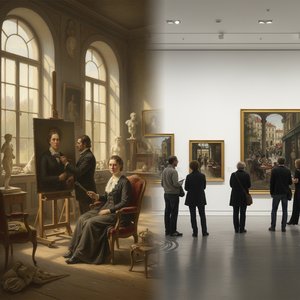
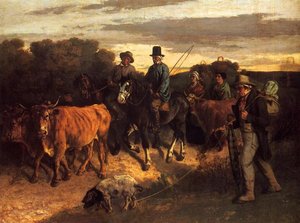
Courbet wasn’t merely interested in depicting the world as it was; he sought to provoke a dialogue about social inequalities. His work often subtly, and sometimes not so subtly, challenged the prevailing power structures of 19th-century France. The Meeting or Bonjour Monsieur Courbet (1854) is a particularly potent example. The painting depicts Courbet greeting his patrons – landowners and merchants – on a country road. The composition deliberately flattens social hierarchies, presenting the artist as an equal to those who traditionally held power. This wasn’t simply a portrait of a social encounter; it was a statement about artistic independence and the democratization of art. He aimed to break down the barriers between artist and patron, challenging the notion that art should be solely accessible to the elite. His embrace of realism also aligned with socialist ideologies gaining traction at the time, advocating for the dignity of labor and the rights of the working class. While Courbet wasn’t explicitly a political painter in the sense of creating propaganda, his work inherently questioned the status quo and championed the lives of those often marginalized by society.
Technique and Style: The Embodied Brushstroke of Authenticity
Courbet's revolutionary vision extended beyond subject matter to encompass his very technique. He rejected the smooth, polished surfaces favored by academic painters, opting instead for a deliberately rough and textured application of paint. This wasn’t a lack of skill; it was a conscious choice to emphasize the materiality of the painting itself – to remind viewers that they were looking at an object created by human hands. His brushstrokes are visible, often thick and impastoed, creating a sense of immediacy and physicality. He frequently employed a palette knife alongside his brushes, further enhancing the tactile quality of his work. This embodied approach to painting wasn’t merely aesthetic; it was integral to his commitment to authenticity. By refusing to conceal the process of creation, Courbet emphasized the directness of his observation and the honesty of his representation. He sought to capture not just *what* he saw but also *how* he saw it – the very act of looking and translating that experience onto canvas.
Beyond the Canvas: Courbet's Legacy and Influence on Modern Art
Gustave Courbet’s impact on the development of modern art is undeniable. He paved the way for subsequent movements like Impressionism, Post-Impressionism, and even Abstract Expressionism by challenging traditional conventions and prioritizing individual expression. His insistence on painting contemporary life liberated artists from the constraints of historical narratives and mythological subjects. The Musée Courbet, located in Oran, France, stands as a testament to his enduring legacy, housing over 400 artworks that showcase the breadth and depth of his oeuvre. More than just an artist, Courbet was a cultural provocateur who redefined the role of the painter in society. His commitment to truth, authenticity, and social commentary continues to resonate with artists and viewers today. He demonstrated that art could be a powerful tool for challenging power structures, advocating for social change, and celebrating the dignity of everyday life – a vision that remains profoundly relevant in the 21st century. Discover more about Courbet’s work and the enduring legacy of Realism at ArtsDot.com, where you can explore high-quality reproductions of his iconic paintings and delve deeper into the fascinating world of 19th-century French art.