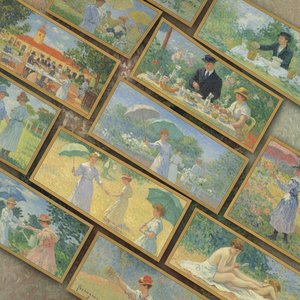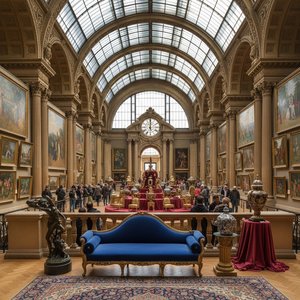

The Dawn of Impressionism: Breaking with Tradition
The 19th century was a period of immense upheaval, not just politically and socially, but also within the realm of art. For centuries, artistic convention dictated that paintings should strive for meticulous realism, historical or mythological narratives, and a polished finish befitting academic standards. But a restless spirit began to stir in Paris, fueled by rapid industrialization, urbanization, and new scientific understandings of light and color. This spirit would give birth to Impressionism – a movement that dared to challenge the established order and redefine what art could *be*. It wasn’t merely a stylistic shift; it was a philosophical one, prioritizing subjective perception over objective representation.
The seeds of this revolution were sown by artists like Eugène Delacroix, whose vibrant use of color and expressive brushwork hinted at the possibilities beyond strict academic constraints. However, it was a group of younger painters – Claude Monet, Pierre-Auguste Renoir, Edgar Degas, Camille Pissarro, Alfred Sisley, and others – who truly broke with tradition. They rejected the Salon’s rigid demands, opting instead to exhibit their work independently, initially facing harsh criticism and ridicule. Their first independent exhibition in 1874, held in Nadar's studio, was met with scorn, largely due to Monet’s painting *Impression, soleil levant* (Impression, Sunrise). The critic Louis Leroy seized upon the title, coining the term “Impressionism” as a derogatory label – little did he know that it would become synonymous with one of art history's most beloved movements.
Key Characteristics & Techniques of Impressionist Painting
What distinguished Impressionist painting was its radical departure from established techniques. Rather than meticulously blending colors on the palette, they applied small, visible brushstrokes directly onto the canvas, allowing the viewer’s eye to blend them optically. This technique created a sense of vibrancy and movement, capturing the fleeting effects of light and atmosphere. The focus shifted from depicting objects with precise detail to conveying the *impression* of those objects – their essence as perceived in a specific moment.
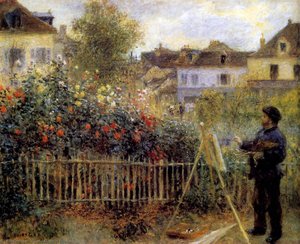
Central to this approach was en plein air painting – working outdoors directly from nature. This allowed artists to observe and capture the subtle nuances of light and color as they changed throughout the day. The invention of portable paint tubes made this practice significantly easier, liberating artists from the confines of the studio. Impressionists were fascinated by the way light transformed surfaces, creating shimmering reflections and atmospheric effects. They often painted the same subject multiple times under different lighting conditions, such as Monet’s series of water lilies or Rouen Cathedral, demonstrating their commitment to capturing the ephemeral nature of perception.
Subjects also underwent a transformation. While historical and mythological themes were largely abandoned, Impressionists turned their attention to everyday life – landscapes, cityscapes, portraits of friends and family, scenes of leisure and entertainment. They sought beauty in the ordinary, elevating mundane moments to artistic significance. The bustling boulevards of Paris, the tranquil countryside, and intimate domestic interiors became their canvases.
Iconic Artists and Masterpieces of the Movement
Claude Monet is arguably the most iconic figure of Impressionism. His dedication to capturing light and atmosphere is evident in masterpieces like *Impression, soleil levant*, *Water Lilies*, and *The Bridge in Monet’s Garden*. Monet's garden at Giverny became his living laboratory, providing endless inspiration for his explorations of color and light.
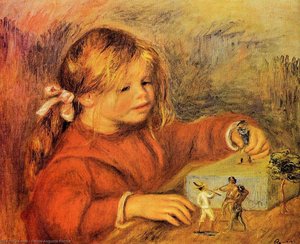
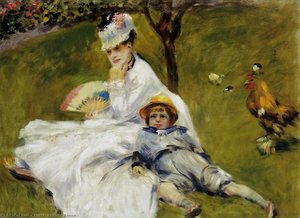
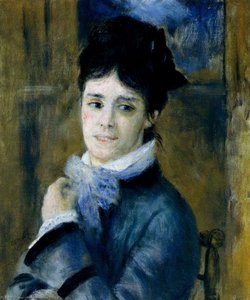
Pierre-Auguste Renoir was celebrated for his depictions of Parisian life, particularly scenes of social gatherings and intimate portraits. His paintings exude a sense of joy and warmth, capturing the beauty of human connection. *Bal du moulin de la Galette* is perhaps his most famous work, depicting a lively dance hall scene with shimmering light and vibrant colors.
Edgar Degas brought a unique perspective to Impressionism, focusing on scenes from modern life – ballet dancers, racehorses, and women at their toilette. His compositions are often unconventional, employing asymmetrical arrangements and cropped perspectives that create a sense of immediacy and dynamism. He was also a master of capturing movement, particularly in his depictions of dancers.
Other key figures included Camille Pissarro, known for his landscapes and scenes of rural life; Alfred Sisley, who specialized in atmospheric landscapes; and Berthe Morisot, one of the few female Impressionists who gained recognition during her lifetime. Each artist brought their own unique vision to the movement, contributing to its rich diversity.
Impressionism's Lasting Legacy and Influence on Modern Art
Despite initial rejection, Impressionism gradually gained acceptance and ultimately revolutionized the art world. It paved the way for subsequent movements like Post-Impressionism, Fauvism, and Expressionism, each building upon the foundations laid by the Impressionists. The emphasis on subjective perception, experimentation with color and technique, and a focus on capturing fleeting moments of experience continue to resonate with artists today.
The impact of Impressionism extends beyond painting. Its influence can be seen in literature, music, and even photography. It challenged traditional notions of beauty and representation, opening up new possibilities for artistic expression. The movement’s legacy is a testament to the power of innovation, the importance of individual vision, and the enduring appeal of capturing the ephemeral beauty of the world around us.
- Explore more Impressionist masterpieces at : /en/art/
- Discover artists inspired by Impressionism: /en/artists/
- Find the perfect Impressionist reproduction for your home: /en/orders/custom-reproduction/