Early Life and Influences: The Foundation of Ward’s Artistic Vision
 Wikipedia: James Ward (English artist)
James Ward (23 October 1769 – 17 November 1859) was an English painter, particularly of animals, and an engraver. == Biography == Born in London to James Ward and Rachael Goldsmith, and younger brother of William Ward the engraver, James Ward was...
James Ward, born in London on October 23rd, 1769, emerged into a world poised between the waning elegance of the Rococo era and the burgeoning emotional intensity of Romanticism. His initial artistic training was deeply rooted in practicality; he followed his brother, William Ward, into the profession of engraving – a skill that would prove foundational to his later success, instilling a meticulous attention to detail and an understanding of line and form. However, it was the influence of George Morland, a painter celebrated for his genre scenes brimming with rustic life and emotional depth, that truly ignited Ward’s early artistic sensibilities. Morland's ability to imbue everyday subjects with narrative power resonated deeply with the young artist, shaping his initial focus on sporting scenes and depictions of rural England. This period wasn’t merely technical apprenticeship; it was an immersion in a distinctly English aesthetic – one that valued authenticity, character, and a connection to the land.
From Sporting Scenes to Grand Landscapes: A Shifting Focus
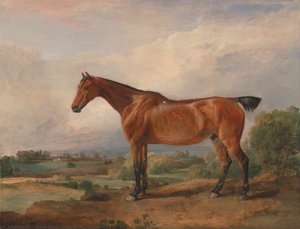
Ward initially established himself as a skilled painter of horses and hunting scenes, catering to the tastes of the gentry with works depicting spirited steeds and lively field sports. These early paintings, while demonstrating considerable technical proficiency, reveal a growing ambition beyond mere representation. He wasn’t simply documenting; he was striving to capture movement, energy, and the inherent drama of the chase. Around 1803, however, a pivotal shift occurred in Ward's artistic trajectory – an encounter with the works of Peter Paul Rubens. The Flemish master’s dynamic compositions, rich color palettes, and masterful handling of light profoundly impacted Ward’s approach to painting. This newfound admiration spurred him towards larger-scale canvases and a more ambitious exploration of landscape as a subject in its own right. The transition wasn't abrupt; it was a gradual evolution fueled by an increasing desire to express something beyond the confines of sporting art, a yearning for a grander, more emotionally resonant vision.
Gordale Scar: An Icon of Romantic Sublime in British Art
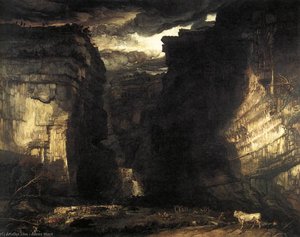
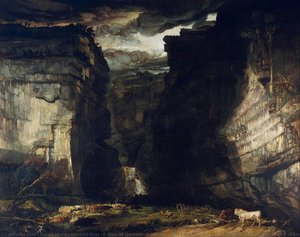
Perhaps no single work embodies Ward’s artistic maturation and his embrace of Romantic ideals quite like Gordale Scar, completed around 1814-15. This monumental landscape, depicting a dramatic limestone ravine in Yorkshire, transcends mere topographical representation; it is an evocation of the sublime – that awe-inspiring combination of beauty and terror that captivated the Romantic imagination. The sheer scale of the painting (a staggering 12 feet tall by 14 feet long) immediately immerses the viewer in the scene. The towering cliffs dwarf the tiny figures below, emphasizing humanity’s insignificance in the face of nature's power. Ward masterfully employs dramatic lighting and a complex composition to create a sense of depth and movement, drawing the eye through layers of rock, foliage, and swirling clouds. Gordale Scar wasn’t simply a painting; it was an experience – a visceral encounter with the untamed beauty and overwhelming scale of the natural world.
Ward's Mastery of Animal Portraiture: Capturing Character and Essence
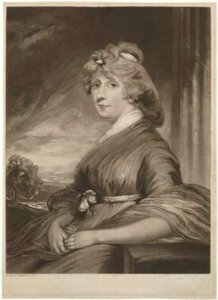 Elizabeth Margaret Hibbert
Admire 'Elizabeth Margaret Hibbert' by James Ward, a Romantic animal painter. Hand-painted reproductions of this exquisite 19th-century artwork now available.
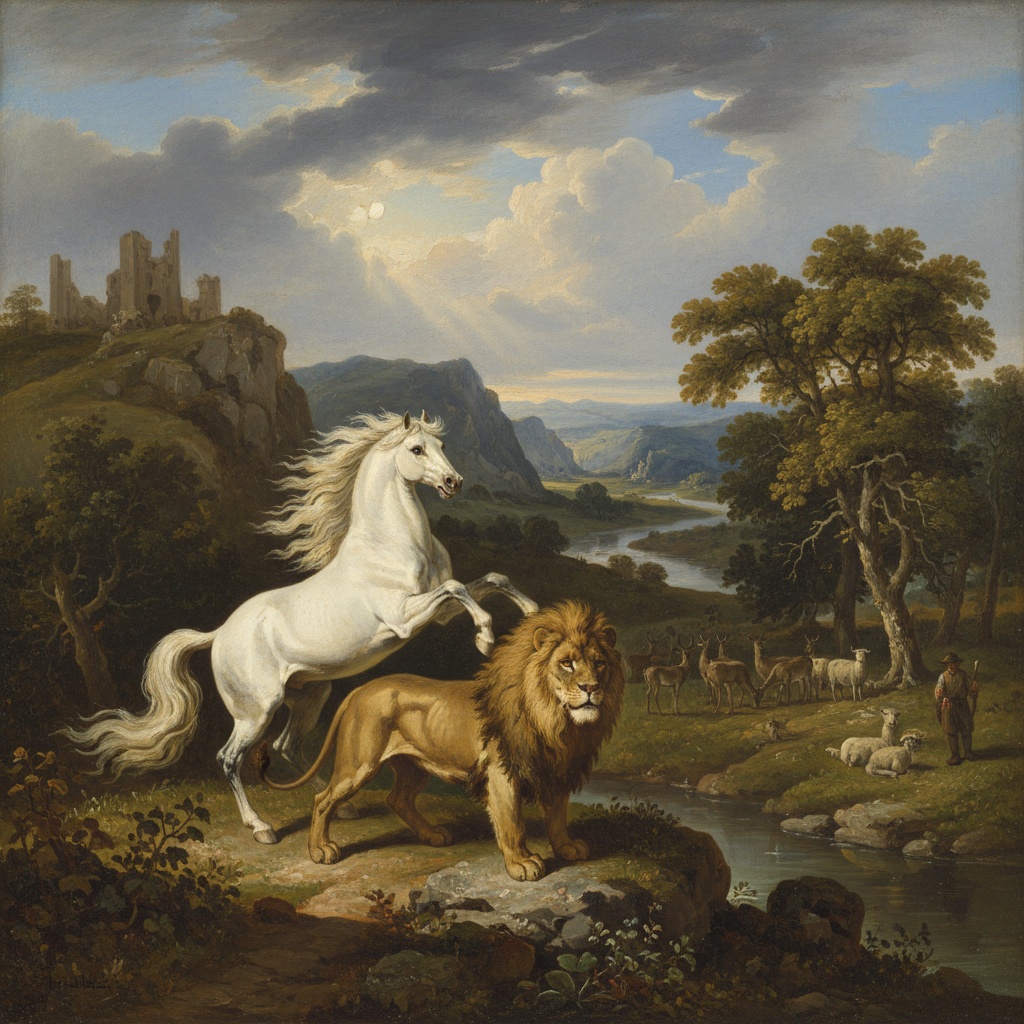
While celebrated for his landscapes, Ward never entirely abandoned animal portraiture. Indeed, he elevated the genre to new heights, imbuing his subjects with a remarkable sense of character and individuality. He possessed an exceptional ability to capture not just the physical likeness of an animal – a prized hunting hound or a magnificent stallion – but also its personality, temperament, and even its emotional state. His portraits weren’t simply commissions; they were studies in observation, revealing a deep empathy for his subjects. Works like The Deer Stealer, though containing narrative elements, showcase this skill—the deer isn't merely an animal within a scene but a creature with agency and a palpable sense of wildness. This ability to convey personality made Ward particularly sought after by wealthy landowners eager to immortalize their favorite animals.
Technique and Style: Rubens, Morland, and the Pursuit of Realism
Ward’s artistic style was a fascinating synthesis of diverse influences. The meticulous detail and precise line work inherited from his engraving training were tempered by Morland's emphasis on emotional expression and narrative depth. However, it was Rubens who exerted the most profound influence, particularly in Ward’s use of dynamic composition, rich color palettes, and dramatic lighting. He wasn’t simply copying Rubens; he was adapting those techniques to suit his own vision – a distinctly English Romantic sensibility. Ward also demonstrated a remarkable commitment to realism, meticulously studying anatomy and employing careful observation to accurately depict the forms and textures of both animals and landscapes. This dedication to accuracy, combined with his expressive brushwork and masterful use of color, resulted in paintings that were both visually stunning and emotionally compelling.
Legacy and Rediscovery: James Ward’s Enduring Appeal
Despite achieving considerable success during his lifetime – including election to the Royal Academy in 1811 – James Ward's work fell into relative obscurity for much of the 20th century. However, recent scholarship has brought renewed attention to his remarkable achievements, recognizing him as a key figure in British Romantic art. His paintings offer a unique window into the social and cultural landscape of Regency England, capturing both the beauty and the anxieties of a rapidly changing world. Ward’s ability to imbue animals with personality, his masterful handling of light and composition, and his profound connection to nature continue to resonate with audiences today. Collections at Tate Britain and the Yale Center for British Art offer ample opportunity to experience the power and beauty of his work firsthand, ensuring that this often-overlooked master finally receives the recognition he deserves. For those seeking a timeless investment in art that embodies both technical skill and emotional depth, James Ward’s paintings represent an exceptional opportunity.