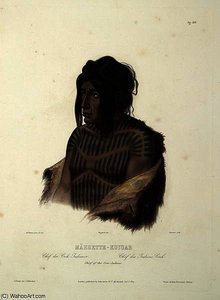
Introduction: The Visionary Artist of the Missouri River
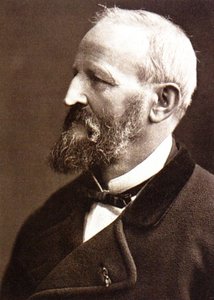 Karl Bodmer
Discover Karl Bodmer's Romantic landscapes & stunning watercolor depictions of 19th-century American West and Native American life. Explore his legacy today!
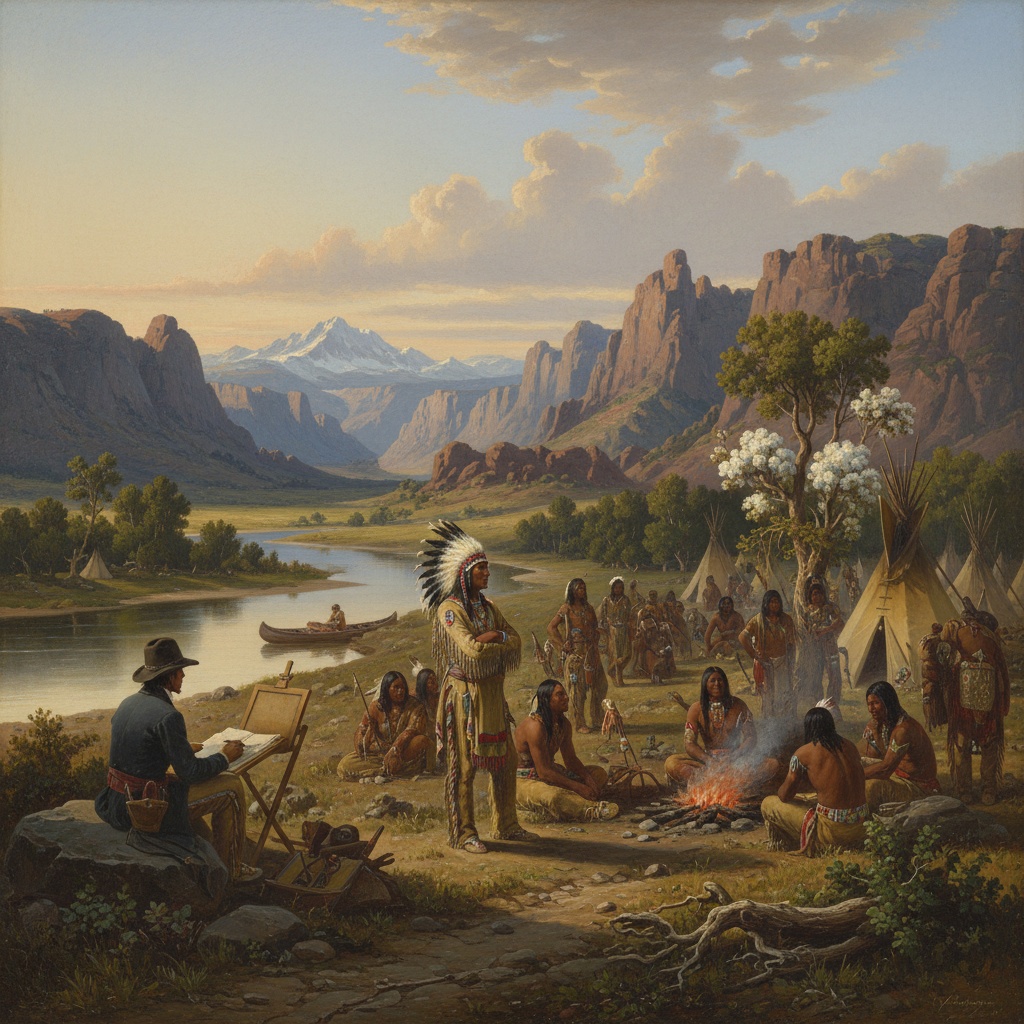
Karl Bodmer, a name often whispered with reverence among connoisseurs of 19th-century art and scholars of Native American culture, stands as a unique figure in the annals of artistic exploration. Unlike many who ventured westward driven by conquest or commerce, Bodmer approached the vast landscapes and diverse peoples of the American frontier with an artist’s eye—one imbued with curiosity, respect, and a remarkable talent for capturing detail. His journey alongside Prince Maximilian zu Wied-Neuwied along the Missouri River in the 1830s wasn't merely a geographical expedition; it was a profound encounter with cultures on the cusp of irreversible change, meticulously documented through watercolor paintings that continue to resonate with power and sensitivity today.
Early Life & Artistic Training: From Swiss Landscapes to American Frontiers
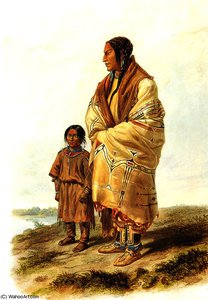
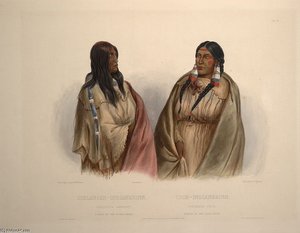 Woman Of The Snake Tribe And Woman Of The Cree Tribe
Karl Bodmer (1809-1893) was a Swiss artist best known for his detailed watercolor paintings of the American West. Born in Zurich, he trained as a lithographer and painter before embarking on an expedition along the Missouri River with German explorer
Born in Zurich, Switzerland, in 1809, Johann Carl Bodmer initially honed his skills within a tradition steeped in Romantic landscape painting. His early works reveal a proficiency for capturing the serene beauty of the Rhine and Mosel valleys—delicate washes of color depicting picturesque towns and rolling hills. However, this idyllic setting proved merely a prelude to a far more ambitious undertaking. A move to Koblenz brought his talent to the attention of Prince Maximilian, who recognized in Bodmer not just technical skill but an exceptional ability to observe and translate the world onto paper with unwavering accuracy. This encounter would irrevocably alter the course of Bodmer’s artistic career, propelling him from the familiar landscapes of Europe to the untamed wilderness of North America.
The Maximilian-Bodmer Expedition: A Journey into the Heart of Native America
 Wikipedia: Karl Bodmer
Johann Carl Bodmer (11 February 1809 – 30 October 1893) was a Swiss-French printmaker, etcher, lithographer, zinc engraver, draughtsman, painter, illustrator, and hunter. Known as Karl Bodmer in literature and paintings, his name was recorded as Joha...
In 1832, Bodmer embarked on a transformative journey with Prince Maximilian, an expedition fueled by scientific curiosity and a desire to document the Indigenous cultures inhabiting the Upper Missouri River region. Traveling from St. Louis, they ascended the river, encountering tribes such as the Omaha, Mandan, Hidatsa, and Blackfoot. This was no simple voyage of discovery; it was fraught with challenges – cholera outbreaks, logistical difficulties, and the inherent complexities of navigating unfamiliar territories. Yet, Bodmer persevered, meticulously sketching flora, fauna, and most importantly, the people he encountered. He wasn’t merely recording appearances but striving to understand the nuances of their lives, customs, and spiritual beliefs.
Documenting a Vanishing World: Bodmer’s Portraits and Cultural Observations
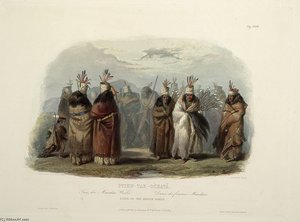 Dance Of The Mandan Women
Admire "Dance of the Mandan Women" by Karl Bodmer – a stunning 1889 painting capturing Native American culture. Explore this realistic depiction & Bodmer's legacy.
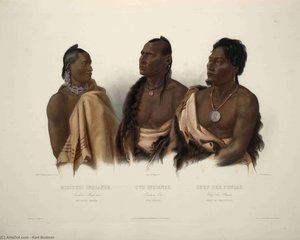
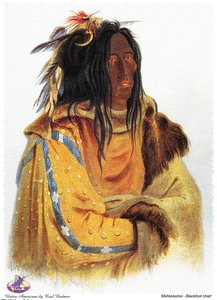
What sets Bodmer apart is his profound respect for his subjects. His portraits are not ethnographic studies in the detached sense; they are intimate glimpses into individual personalities. Consider “Dance of the Mandan Women,” a vibrant depiction brimming with energy and ceremonial significance. The figures aren’t idealized or romanticized; they are rendered with striking realism, their expressions, clothing, and body paint meticulously observed. Similarly, “Woman Of The Snake Tribe And Woman Of The Cree Tribe” showcases his dedication to capturing individual character and tribal distinctions. He sought permission before painting, often participating in ceremonies and building relationships based on mutual respect—a rarity for European artists of the time. His watercolors offer a unique window into a world rapidly disappearing under the pressures of westward expansion, preserving details that would otherwise have been lost forever.
Artistic Style & Legacy: Realism, Detail, and Lasting Impact
--- title: Karl Bodmer: North American Portraits url: https://localhost:5000/exhibitions/listings/2021/karl-bodmer-north-american-portraits description: Swiss-born Karl Bodmer (1809–1893) was one of the first and most accomplished European artists to...
Bodmer’s artistic style is characterized by an extraordinary attention to detail and a commitment to realism. He eschewed dramatic flourishes in favor of precise observation, capturing the textures of clothing, the intricacies of beadwork, and the subtle nuances of facial expressions. His use of watercolor allowed for delicate gradations of color and a luminosity that brought his subjects to life. The resulting images are not merely representations; they are powerful evocations of a specific time and place. While initially met with lukewarm reception in Europe—the public perhaps unprepared for such unvarnished depictions of Native American life—Bodmer’s work has since been recognized as an invaluable historical and artistic treasure. His paintings, published in Prince Maximilian's *Travels in the Interior of North America*, remain a cornerstone of Western art history.
Rediscovering Bodmer: Modern Appreciation and Continued Relevance
Today, Karl Bodmer’s legacy continues to inspire awe and admiration. Exhibitions like “Karl Bodmer: North American Portraits” at The Metropolitan Museum of Art have brought his work to new audiences, highlighting the sensitivity and artistry that defined his career. His paintings serve as a poignant reminder of the rich cultural heritage of Native American tribes and the importance of preserving their stories. ArtsDot.com is proud to offer high-quality reproductions of Bodmer’s masterpieces, allowing art enthusiasts to experience the beauty and historical significance of his work firsthand. Through these reproductions, we strive to share Bodmer's vision with a wider audience, fostering appreciation for both the artistic skill and the cultural importance embedded within each brushstroke. His paintings are not just images; they are windows into a vanished world—a testament to the power of art to document, preserve, and inspire.