
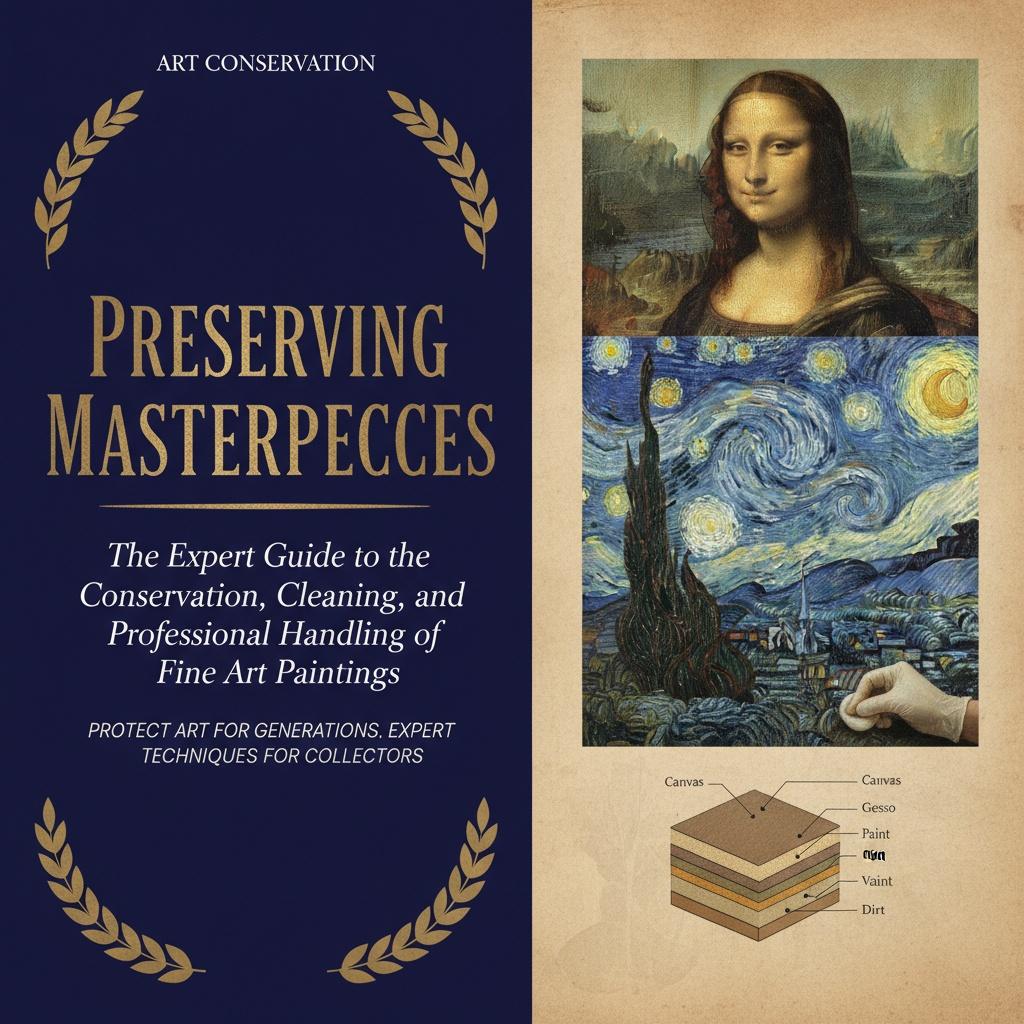
The Eternal Legacy: Why Preservation Defines the Value of Masterpieces
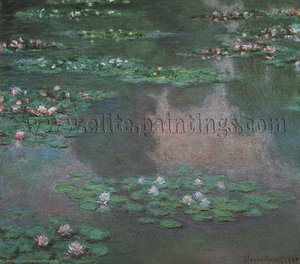
To gaze upon a masterpiece is to engage in a silent, profound dialogue with the past. When we stand before the luminous glazes of a Jan van Eyck or feel the raw, Baroque energy in a Rubens sketch, we are not merely observing pigment on canvas; we or witnessing a preserved moment of human genius. The value of these works—both culturally and monetarily—is inextricably linked to their survival. A painting is a living entity, a complex arrangement of organic binders and mineral pigments that has endured centuries of environmental shifts.The history of art is, in many ways, a history of successful stewardship. The transition from the delicate egg tempera of the Middle Ages to the rich, flexible oil mediums of the Renaissance allowed for a depth of color and texture that could withstand the passage of time, provided they were shielded from decay. When we preserve a work, we are protecting the artist's original intent, ensuring that the flickering candlelight of a Vermeer or the vibrant landscapes of Monet remain as vivid for future generations as they were on the day the final brushstroke was laid.
This continuity of legacy is what allows art to function as a bridge between eras. Without meticulous care, the very textures and tones that define an era would fade into obscurity, leaving us with nothing but shadows of our collective heritage.
The Silent Adversaries: Understanding Light, Humidity, and Temperature Fluctuations
Despite their apparent permanence, oil paintings are subject to a slow, invisible siege by environmental forces. The most pervasive of these is light. While light is the essential medium through which we perceive color, excessive exposure—particularly to ultraviolet (UV) rays—acts as a relentless thief, causing pigments to fade and organic binders to become brittle. This is why many of the world's most precious works are housed in dimly lit galleries; it is a necessary sacrifice to prevent the irreversible loss of chromatic intensity.Beyond the reach of light, the atmosphere itself poses a significant threat through fluctuations in humidity and temperature. Humidity is perhaps the most volatile variable. High moisture levels can encourage the growth of mold and promote the swelling of organic supports like wood panels or canvas. Conversely, extreme dryness can cause the paint layers to lose their flexibility, leading to the dreaded phenomenon of craquelure—the fine network of cracks that characterizes aged works.
Temperature fluctuations act as a catalyst for these physical stresses. Sudden shifts in heat cause materials to expand and contract at different rates; the canvas may move, but the dried oil paint cannot follow. This mechanical tension results in flaking, warping, or even the complete detachment of the paint from its substrate. Understanding these silent adversaries is the first step in the art of true preservation.
The Alchemy of Protection: The Crucial Role of Varnish and Chemical Stability
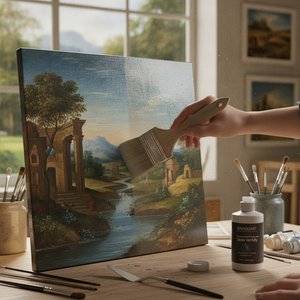 Preserving Artistic Legacy: The Enduring Power of Varnish on Oil Paintings
The Timeless Allure of Oil: A Historical Perspective For centuries, the medium of oil paint has held a unique place in the artistic landscape, captivating viewers with its rich depth, luminous color, and unparalleled versatility. From the flickering ...
The chemistry of this protection is a delicate balance. A well-applied varnish intensifies colors, creating a sense of saturation and depth that mimics the artist's original vision. However, this alchemy comes with its own challenges. Natural resins are prone to yellowing and darkening over time as they oxidize, which can fundamentally alter the color temperature of a work.
Modern preservation techniques focus heavily on chemical stability. For instance, in high-quality reproductions, we utilize specific oils—such as safflower oil for lighter pigments—to prevent the yellowing that often plagues lesser materials. Every layer, from the initial gesso to the final coat of Damar varnish, is chosen to ensure that the painting remains resistant to the environmental aggressors mentioned previously, safeguarding the work's brilliance for generations.
Curatorial Best Practices: Professional Standards for Handling and Displaying Fine Art
For the collector, the role of a curator begins within the home. Proper display is not merely an aesthetic choice but a technical necessity. To protect your investment, one must implement rigorous standards of care.- Light Management: Always position artworks away from direct sunlight and avoid placement directly under high-intensity UV lamps.
- Environmental Control: Aim for a stable environment. Avoid hanging paintings in "high-risk" zones such as bathrooms, kitchens, or walls adjacent to heating vents.
- Structural Integrity: Ensure that the support is robust. In our professional hand-painted reproductions, we use 100% cotton canvas and braced stretcher bars specifically engineered to prevent the warping and distortion caused by humidity.
- Framing Standards: When displaying prints or works under glass, utilize acid-free matting to create a vital air gap between the art and the glazing. This prevents moisture entrapment and protects the pigments from degradation.
The Science of Restoration: Distinguishing Between Conservation and Repair
 pablo garcía lumbreras
Pablo García Lumbreras: Bridging Science and Artistic Preservation Pablo García Lumbreras stands at the intersection of scientific rigor and artistic passion—a rare convergence that defines his remarkable career as a conservation expert and researche...
Modern conservators, such as those utilizing X-ray fluorescence spectroscopy, examine the very molecular structure of pigments and binders to understand how a work has aged. They do not merely "fix" a painting; they intervene with surgical precision to halt decay and reverse the effects of environmental damage, all while respecting the artist's original hand.
At ArtsDot.com, we honor this tradition of excellence in every piece we create. Our artists, many of whom hold degrees from prestigious Fine Arts academies, approach every reproduction with a deep respect for these historical techniques. Whether it is a custom portrait reimagined in the style of Rembrandt or a meticulously layered oil study, our mission is to provide you with museum-quality art that embodies the same durability and soul as the masterpieces that inspired them. Through our dedication to premium materials and professional craftsmanship, we ensure that the beauty you bring into your home is built to endure.