Beyond Representation: Defining the Abstract Language
To the uninitiated eye, abstract art can often feel like a profound enigma, a visual puzzle lacking the familiar anchors of landscape, portraiture, or still life. However, for the discerning collector, abstraction is not an absence of meaning, but rather a liberation from it. It represents a departure from the literal, moving away from the obligation to mimic the physical world and instead venturing into the realm of pure form, line, and essence. When we strip away the recognizable subject, we are left with a direct dialogue between the canvas and the viewer’s psyche.
This movement began as a radical reimagining of what art could achieve. Instead of documenting a historical event or a person's likeness, artists sought to capture the intangible—the vibration of light, the weight of sorrow, or the frantic energy of urban life. By abandoning representation, the artist invites us to participate in the creation of meaning. The painting becomes a mirror; what you see is as much a product of your own emotional landscape as it and the artist's intent. It is a language of symbols that do not point to objects, but to feelings.
The Chromatic Pulse: Decoding Color Theory and Emotional Impact
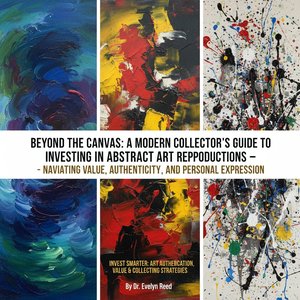
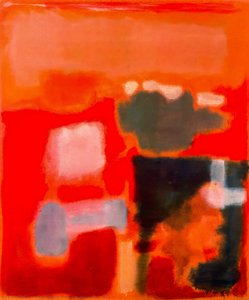
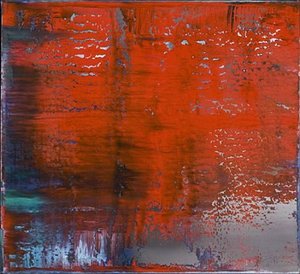
Color is perhaps the most potent tool in the abstract artist's repertoire, acting as a direct conduit to the human nervous system. In the realm of Color Field painting, color is not merely an attribute of an object; it is the subject itself. Consider the works of masters like Gene Davis, where vibrant stripes and bold saturations create a sense of depth and movement without the need for perspective. When we encounter a piece like Red Witch, the intensity of the crimson against a dark void does not just suggest heat or passion—it imposes it upon the viewer.
Understanding color theory is essential for any collector looking to curate with intention. Warm hues such as ochre, vermilion, and gold can evoke feelings of warmth, vitality, and even aggression, while cool tones like ultramarine, cerulean, and sage offer tranquility, distance, or melancholy. The relationship between these colors—their contrast, harmony, and temperature—dictates the emotional temperature of a room. A sophisticated collection utilizes color to orchestrate atmosphere, using chromatic tension to create focal points or tonal unity to foster peace.
Rhythm and Movement: Understanding Composition and Gestural Energy
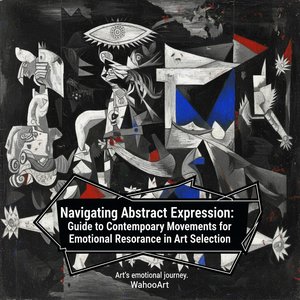
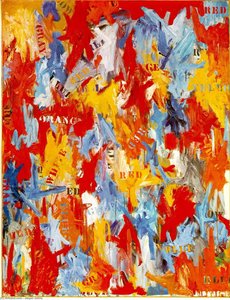
If color provides the emotion, then rhythm and movement provide the heartbeat of an abstract work. In the tradition of Abstract Expressionism, the canvas becomes a record of a physical event. Artists such as Willem Joseph Laquy utilized dynamic brushwork to leave traces of their movements, creating a sense of "gestural energy." These visible strokes, often applied with varying pressure and speed, guide the eye across the composition in a choreographed dance. This rhythm can be frantic and staccato, or slow, sweeping, and lyrical.
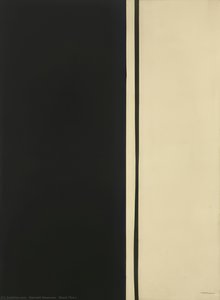
Composition in abstraction is about the balance of forces. It involves the careful arrangement of weight, direction, and tension. A heavy mass of dark pigment in one corner may be balanced by a delicate, thin line of light in another, creating a structural equilibrium that prevents the eye from wandering aimlessly. For the collector, recognizing this internal logic is key to appreciating the technical mastery required to command such chaos. It is the difference between a random splatter and a deliberate, rhythmic arrangement that possesses its own gravitational pull.
Geometric vs. Gestural: Navigating Op Art and Abstract Expressionism
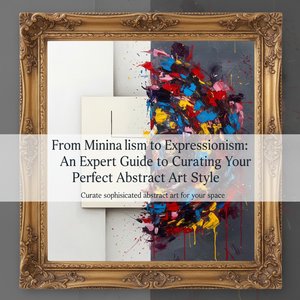
The spectrum of abstraction can be broadly categorized into two fascinating poles: the controlled precision of geometric abstraction and the spontaneous liberation of the gestural. On one end, we find Op Art, a movement defined by optical illusions and mathematical rigor. Artists like Victor Vasarely mastered the use of geometric shapes and repetitive patterns to create works that seem to vibrate or shift as the viewer moves. Pieces such as Abstract 14 or Louisiana 1 utilize precise arrangements of circles, squares, and lines to manipulate perception, creating a cerebral, highly structured experience.
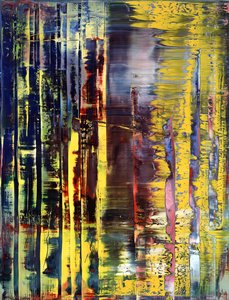
On the opposite end lies the raw, emotive power of the gestural approach. Here, the artist’s hand is ever-present, celebrating the tactile nature of oil paint and the unpredictulity of the medium. While Op Art engages the intellect through optical science, gestural abstraction engages the soul through empathy. A collector might find themselves drawn to the architectural stability of a geometric piece for a formal study, yet crave the visceral, human connection found in a textured, impasto-heavy canvas. Both styles offer profound ways to explore the boundaries of visual perception.
Curating the Unseen: Integrating Abstract Masterpieces into Modern Interiors
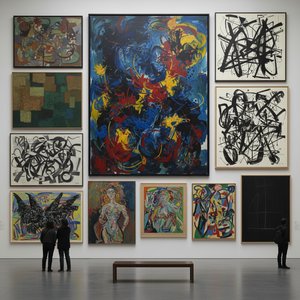
Integrating abstract art into a curated space requires a delicate balance of scale, color, and architectural intent. Unlike representational art, which often tells a story that can clash with modern decor, abstraction acts as a sophisticated atmospheric layer. A large-scale, multi-panel installation—often referred to as a group set painting—can transform a wide wall or a grand staircase into a dynamic architectural feature, pulling the entire room together through cohesive color and flowing lines.
When selecting pieces for an interior, consider the "weight" of the work. A highly energetic, high-contrast piece can serve as a powerful anchor in a minimalist room, whereas a subtle, monochromatic Color Field painting can add depth to a space without overwhelming it. The goal is to create a dialogue between the artwork and the environment. Whether using light-drenched tones to enhance a sunlit salon or deep, moody textures to ground a library, the abstract masterpiece should feel like an organic extension of the architecture itself.
The Collector's Eye: Evaluating Technique, Texture, and Provenance
For the serious collector, the value of an abstract work lies in the intersection of technical execution and emotional resonance. One must look beyond the surface to evaluate the texture—the way the paint sits upon the canvas. In high-quality oil reproductions or original works, the presence of impasto (thick, raised paint) adds a three-dimensional quality that captures light and shadow, providing a depth that flat prints simply cannot replicate. The mastery of the medium is visible in the artist's ability to control transparency, opacity, and edge quality.
Furthermore, the longevity of the piece is paramount. A true investment requires an understanding of materials, such as the use of flexible gesso to prevent cracking or specialized oils to ensure color stability over decades. As you build your collection, look for works that demonstrate a clear artistic voice and technical excellence. Whether you are acquiring a contemporary masterpiece or a meticulously crafted reproduction, the ultimate metric of success is the enduring power of the work to provoke thought, stir emotion, and stand as a testament to human creativity.
Discover the world of fine art through ArtsDot.com, where we specialize in bringing the profound beauty of masterworks into your home through exquisite, hand-painted oil reproductions and bespoke commissions tailored to your unique aesthetic vision.