Beyond Harmony: Defining the Mannerist Departure from High Renaissance Perfection
To understand the profound shift that occurred during the transition from the High Renaissance to Mannerism, one must first contemplate the era of absolute equilibrium that preceded it. The works of Leonardo da Vinci, Raphael, and Michelangelo represented a pinnacle of human achievement, characterized by mathematical proportion, naturalistic anatomy, and a sense of divine stability. In this golden age, the composition was often pyramidal, the light was soft and atmospheric, and every limb and landscape element existed in a state of perfect, harmonious balance. It was an art of clarity, where the viewer could find solace in the predictable logic of perspective and the serene grace of the human form.
However, as the sixteenth century progressed, the stability of the Renaissance began to fracture under the weight of its own perfection. The artists who followed did not seek to replicate this balance but rather to subvert it. This was the birth of Mannerism—a movement that intentionally embraced artificiality over nature. Where the High Renaissance sought to mirror the world as it is, Mannerism sought to express the world as it is felt: complex, unstable, and emotionally charged. The clarity of the previous era gave way to ambiguity, and the calm of the classical ideal was replaced by a deliberate, sophisticated tension that challenged the viewer's perception of reality.
The Aesthetics of Tension: Elongated Forms, Artificial Colors, and Distorted Space
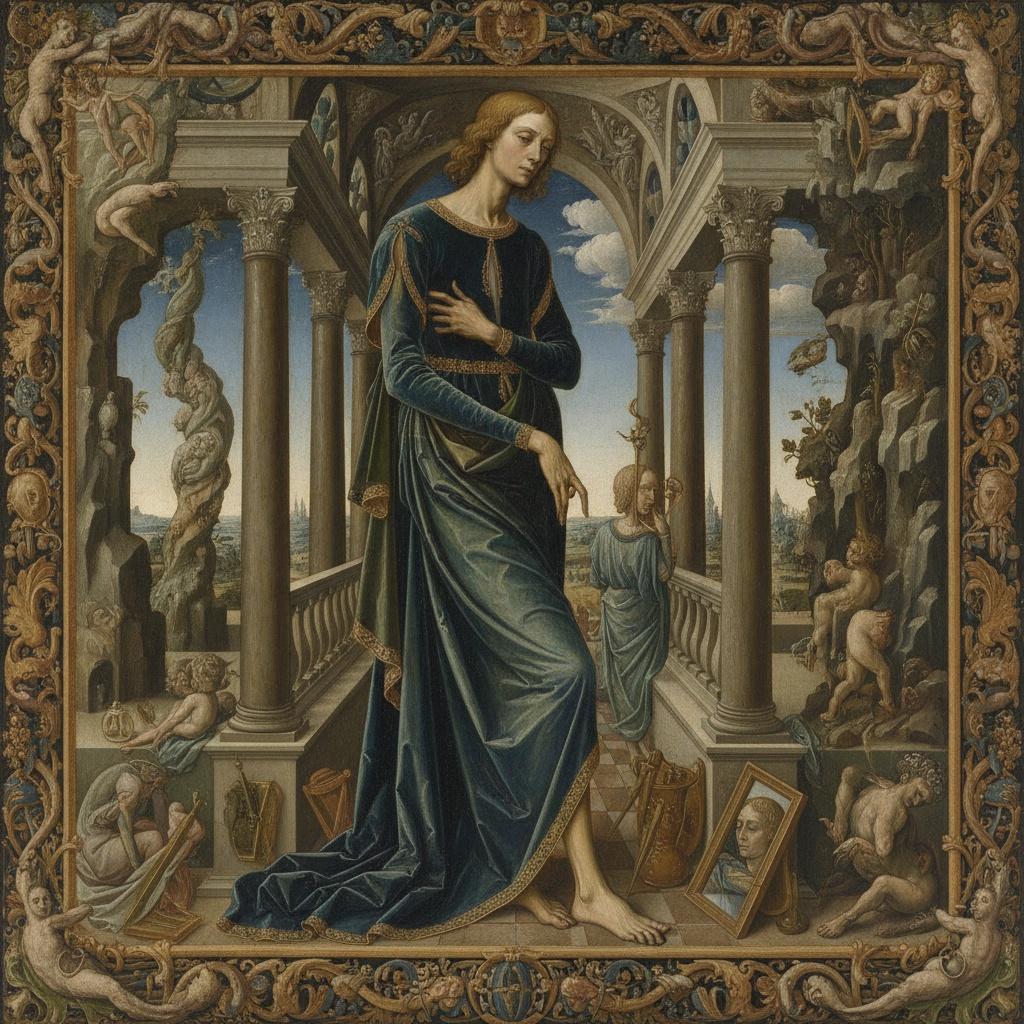
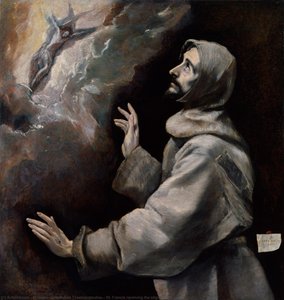
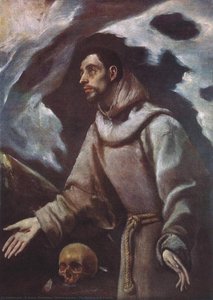
Mannerism is defined by its rejection of the "natural" in favor of the maniera—the style or manner. This aesthetic departure is most strikingly visible in the manipulation of the human figure. The balanced proportions of the classical era were discarded in favor of elongated limbs, unnaturally slender necks, and twisting, serpentine poses known as figura serpentinata. These distortions were not errors of anatomy but deliberate expressive tools used to convey a sense of grace that transcended the physical realm. By stretching the body, Mannerist painters could imbue their subjects with an ethereal, almost otherworldly elegance.
Complementing these structural distortions was a radical approach to color and space. The harmonious, blended palettes of the early Renaissance were replaced by acidic, jarring hues—vibrant oranges, sharp greens, and electric blues that seemed to vibrate against one another. Space itself became compressed and claustrophobic; the deep, logical perspective that once guided the eye through a landscape was often abandoned for shallow, crowded compositions that forced the viewer into an intimate, sometimes unsettling encounter with the subject. This era of art demanded an intellectual engagement, as viewers had to navigate a visual language where nothing was quite as it seemed.
Spiritual Intensity and the Counter-Reformation: Art as a Tool for Devotion
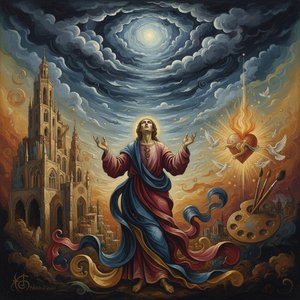
The stylistic turbulence of Mannerism did not exist in a vacuum; it was deeply intertwined with the profound religious upheavals of the sixteenth century. As the Protestant Reformation challenged the authority of the Catholic Church, the Church responded with the Counter-Reformation, a period of intense spiritual renewal and doctrinal fortification. Art became a primary vehicle for this movement, tasked with evoking deep, visceral piety in the faithful. The ambiguity and emotional instability of Mannerist techniques were perfectly suited to this new religious climate, as they could mirror the internal struggles and ecstatic visions of the soul.
In this context, the distorted forms and dramatic lighting served a theological purpose. The spiritual intensity found in works from this period—where light often pierces through darkness in sharp, theatrical rays—was designed to move the heart rather than merely inform the mind. This era saw the rise of art that functioned as a bridge between the earthly and the divine. The tension within the composition reflected the tension within the human spirit, caught between sin and salvation, making the Mannerist style an essential instrument for the profound religious theater of the age.
Mastering the Unnatural: The Technical Innovations of Late Renaissance Painters
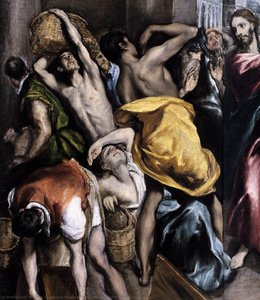
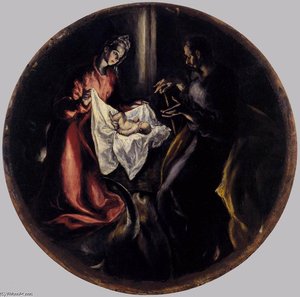
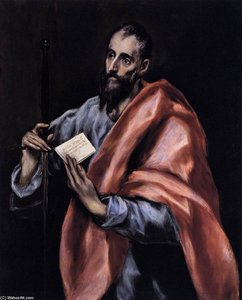
Achieving such a sophisticated level of "unnatural" beauty required immense technical mastery. Artists like El Greco, perhaps the most iconic figure of this movement, utilized advanced techniques to blend classical training with Mannerist expressionism. His work often displays a unique synthesis of influences, ranging from the Byzantine traditions of his youth to the Venetian mastery of color and light. In masterpieces such as The Dormition of the Virgin, one can observe how he employs fluid, flickering brushstrokes and an almost supernatural luminosity to create figures that seem to be composed of light itself.
The technical brilliance of these painters lay in their ability to control the impasto and the tonal range to direct the viewer's emotional response. Whether it was through the use of muted, somber tones to evoke dignity, as seen in his portraits of elderly gentlemen, or the use of brilliant, light-drenched whites to signify divinity, the technical execution was always purposeful. These artists were not merely painters; they were architects of emotion, using the very chemistry of oil and pigment to manipulate the atmosphere of the canvas and create a sense of profound, spiritual weight.
From Toledo to the World: The Enduring Legacy of Mannerist Masterpieces
The legacy of Mannerism is found in its courage to break the rules. By moving away from the rigid constraints of naturalism, these artists paved the way for the dramatic theatricality of the Baroque and even the expressive freedom of modern art. The movement proved that art could be a subjective experience, a reflection of internal psychological states rather than just an external observation of nature. Today, the works of this era continue to captivate collectors and historians alike, offering a window into a time when the boundaries of human creativity were being radically redrawn.
For those who wish to bring this profound sense of history and drama into their own environments, ArtsDot.com offers an unparalleled collection of museum-quality reproductions. We specialize in capturing the very essence of these transformative eras through hand-painted oil on canvas. Our master artists, holding degrees from prestigious academies, meticulously recreate the elongated forms, vibrant colors, and spiritual depth characteristic of Mannerist masters like El Greco. Whether you seek a large-scale centerpiece or a delicate portrait, our reproductions are designed to serve as a lasting testament to the enduring power of art history.