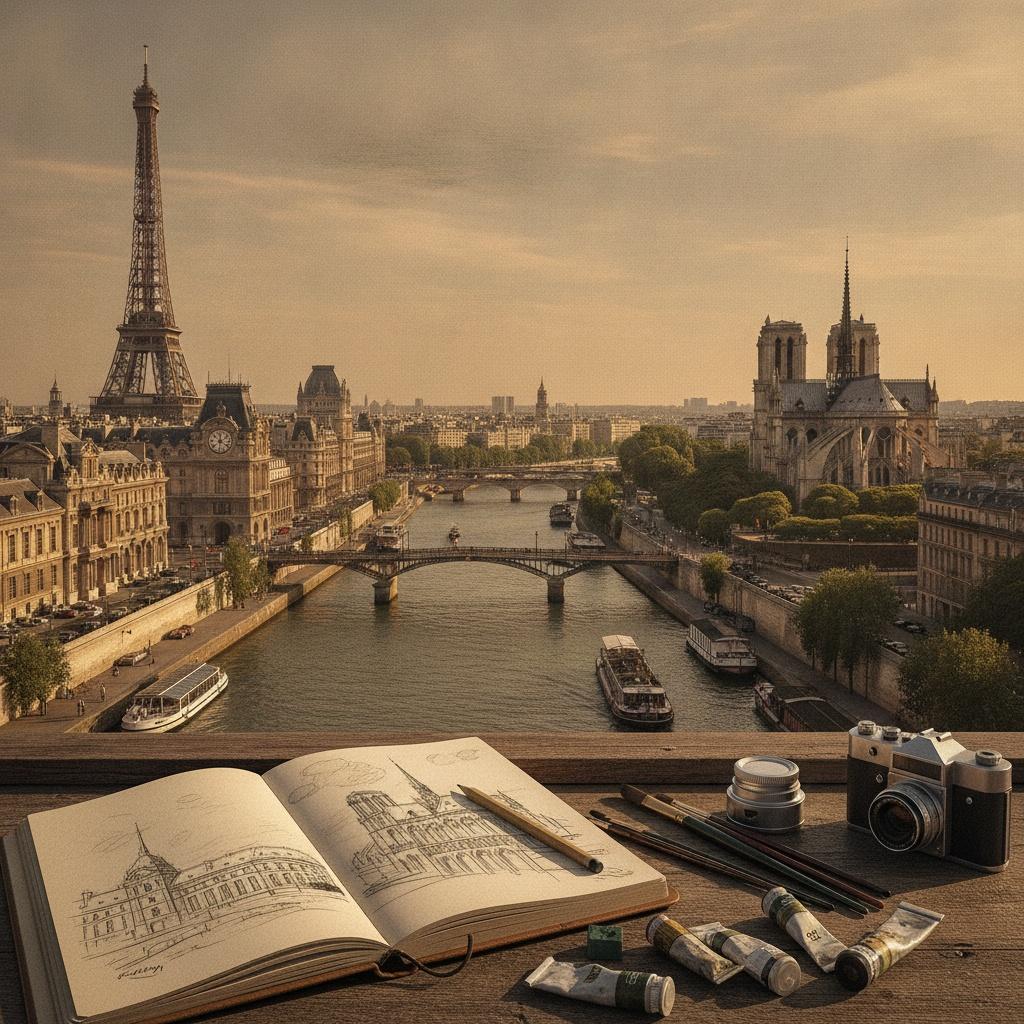
The Impressionist Revolution: A New Vision of the Parisian Landscape
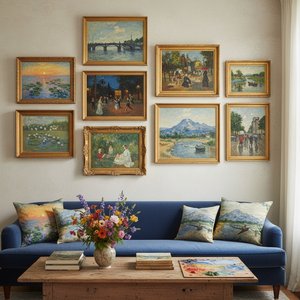 Impressionistic Landscapes: 10 Masterpieces That Changed Art & Decor
Introduction To gaze upon these ten canvases is to step directly into a world transformed by light, color, and an unprecedented embrace of the fleeting moment. The Impressionistic Landscape movement wasn’t merely a shift in painting technique; it was...
This era was marked by rapid industrialization and social change, where the rise of photography challenged the painter's role as a purely representational medium. Freed from the burden of photographic accuracy, Impressionists turned their attention to sun-dappled fields, bustling city streets, and the ephemeral effects of atmosphere. Their work sought to capture not just what was seen, but how it was felt—the raw energy of observation translated into vibrant, broken brushstrokes. It is this very sense of impermanence that continues to captivate the modern art enthusiast, offering a window into a pivotal moment when the very definition of art was being rewritten.
The Seine as a Living Muse: Capturing the River’s Eternal Flow
Between 1882 and 1890 Vincent van Gogh, Georges Seurat, Paul Signac, Emile Bernard, and Charles Angrand explored the landscape along the river Seine ...
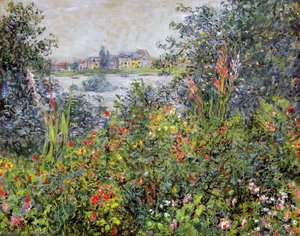
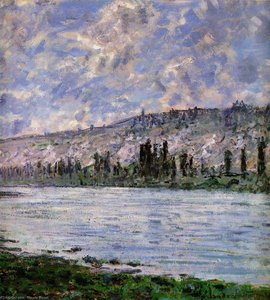
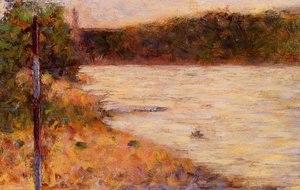
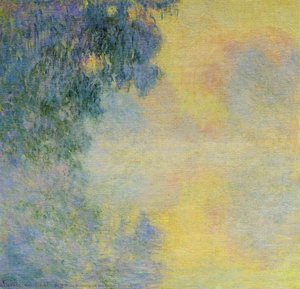
Between 1882 and 1890, a remarkable group of artists—including Vincent van Gogh, Georges Seurat, and Paul Signac—explored the landscapes along this iconic waterway. The river served as a bridge between different artistic philosophies. For instance, Stanislas Lépine, a quiet observer of the Seine, acted as a crucial link between the established traditions of the Barbizon school and the burgeoning innovations of modern art. His work, characterized by a profound sensitivity to light and atmosphere, captured the subtle beauty of the French landscape with a delicate luminosity. Whether depicting the bustling activity of river commerce or the peaceful stillness of a summer afternoon, the Seine remained a central protagonist in the narrative of Parisian art.
Light, Color, and Atmosphere: Deep Dives into Iconic Masterpieces
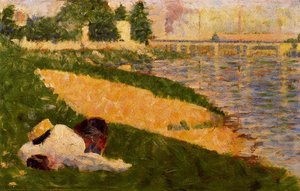
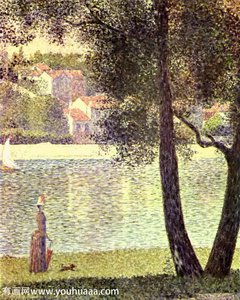
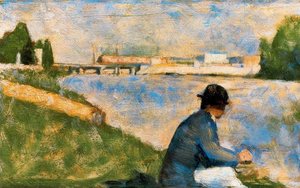 Banks of the Seine at Suresnes
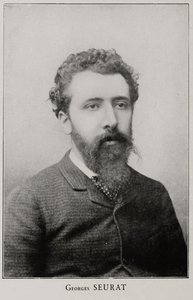
A Glimpse of Parisian Leisure: Georges Seurat’s *Banks of the Seine at Suresnes* Georges Pierre Seurat's *Banks of the Seine at Suresnes* offers a tranquil window into late 19th-century French life, capturing a moment of peaceful repose along one of ...
Other masters approached this light with different emotional registers. The Filipino painter Juan Luna, during his transformative years in Paris, created The Parisian Life, an oil on canvas that exemplifies the shift toward a lighter color palette and mood. Similarly, the works of Albert-Charles Lebourg, such as Barge on the Seine at Basd-Meudon, offer serene glimpses into the river life that defined the era. These masterpieces are characterized by:
- Luminous Palettes: A move away from dark, academic tones toward bright, sun-drenched hues.
- Atmospheric Depth: The use of soft edges and tonal variations to suggest moisture, mist, and heat.
- Subjective Impression: Prioritizing the sensation of light over the meticulous detail of objects.
From Academic Rigor to En Plein Air: The Evolution of Technique
 Impressionist Landscapes: 10 Masterpieces for Your Home | ArtsDot
Introduction Imagine stepping into a world bathed in dappled sunlight, where colors dance and shimmer with an ethereal quality. This is the realm of Impressionism – a revolutionary art movement that forever altered how we perceive light, color, and t...
This shift required a departure from the meticulous, smooth finishes of the Academy. The Impressionists embraced visible brushstrokes and a textured application of paint to convey movement and energy. This approach celebrated the "unfinished" quality of a sketch, emphasizing the immediacy of the moment. While critics initially dismissed these works as mere sketches lacking skill, we now recognize this texture as the very soul of the movement. It is this tactile quality—the physical presence of the artist's hand—that remains the most sought-after element for collectors today.
Bringing the Belle Époque Home: Preserving Parisian Artistry
 Renoir's Masterpieces: Explore 25 Iconic Paintings & Bring Art Home | ArtsDot
Introduction To embark on a journey through the top 25 artworks of Pierre-Auguste Renoir is to step into a world bathed in light, color, and an exquisite celebration of life. These paintings are not merely depictions of scenes; they are invitations—t...
Our service allows you to truly "remix" art history to suit your personal aesthetic. Beyond reproducing existing legends like Monet or Seurat, we offer unique customization:
- Stylistic Transformations: We can transform a personal photograph into a masterpiece in the light-drenched style of Renoir or the vibrant energy of Van Gogh.
- Period Shifts: Imagine your modern portrait reimagined as a 17th-century oil painting.
- Bespoke Commissions: From custom color matching to multi-panel "group set" paintings for large architectural spaces, our Project Coordinators ensure every detail meets museum-grade standards.