Defining Orientalism: The 19th-Century European Gaze and the Construction of the 'Exotic'
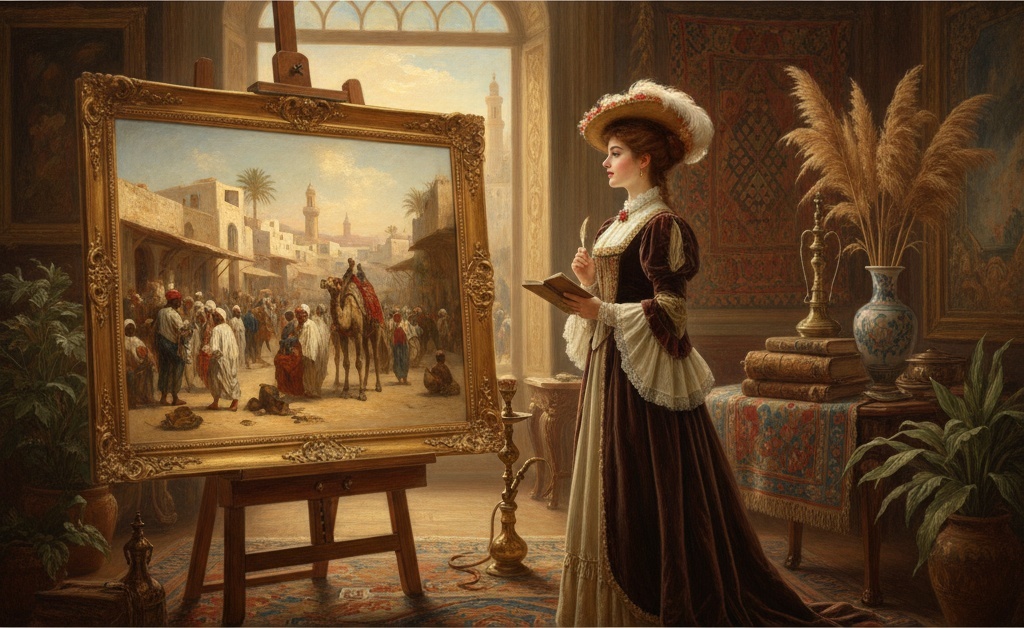
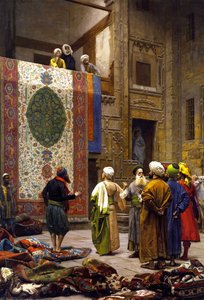
To understand the profound impact of Orientalist painting, one must first look through the lens of the nineteenth-century European imagination. This was not merely an artistic movement but a complex cultural phenomenon—a way for Western artists to interpret, and often romanticize, the vast landscapes, diverse peoples, and intricate customs of the Near and Middle East. For the historian, Orientalism represents a fascinating intersection of curiosity and colonial influence, where the "Orient" was constructed as a place of timelessness, sensuality, and mystery. Artists traveled to North Africa, Egypt, and the Ottoman Empire, bringing back more than just sketches; they brought a vision of an exotic "other" that stood in stark contrast to the industrializing, rapidly changing reality of Europe. This era was characterized by a fascination with what felt fundamentally different from the Western experience. Through their canvases, painters depicted bustling bazaars, serene desert landscapes, and intimate domestic scenes, often imbuing them with a sense of theatricality. While these works provided a window into distant worlds, they were also deeply shaped by the prevailing political climate of the time. The paintings functioned as a bridge between reality and fantasy, creating a visual language that allowed European audiences to consume the allure of the East from the comfort of their own galleries. It was a period where the boundaries between ethnographic documentation and romanticized fiction became beautifully, and sometimes controversially, blurred.The Aesthetics of Allure: Light, Texture, and Detail in Orientalist Masterpieces
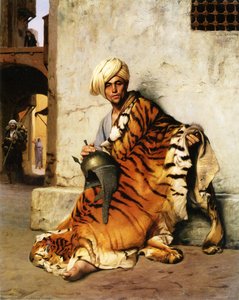
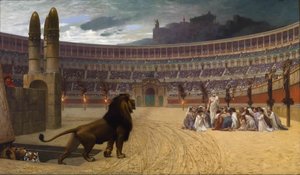
The true magic of Orientalist art lies in its breathtaking technical execution. To capture the heat of a Saharan sun or the cool shadows of a Moroccan courtyard, masters of the era employed an extraordinary command over light and texture. There is a palpable sense of atmosphere in these works; one can almost feel the grit of the desert sand or the heavy weight of silk drapery. This was achieved through meticulous attention to detail—a hallmark of the academic style. Artists utilized layers of oil paint to create depth, using highlights to mimic the shimmering effect of sunlight on brass vessels or the soft glow of a lantern in a darkened room. Beyond mere light, the tactile quality of these paintings serves to ground the viewer in the scene. The interplay of rich pigments—deep ultramarines, vibrant ochres, and brilliant vermilions—creates a sensory experience that transcends the flat surface of the canvas. When observing a high-quality reproduction, such as those found in museum-grade collections, one can appreciate how the visible brushstrokes and tonal ranges contribute to this realism. The mastery of texture allowed painters to evoke the scent of spices or the coolness of marble, making the exotic scenes feel tangibly present. This dedication to aesthetic perfection ensured that these paintings were not just images, but immersive environments designed to captivate the senses.Beyond the Canvas: Historical Contexts and the Intersection of Art and Colonialism
While the beauty of these masterpieces is undeniable, a serious study of Orientalism requires us to acknowledge the complex historical currents flowing beneath the surface. The nineteenth century was an era of unprecedented European expansion, and the art produced during this time cannot be separated from the colonial narratives of the age. As empires expanded their reach across Africa and Asia, artists often acted as visual chroniclers of these new territories. However, their work frequently leaned into tropes of the "exotic" and the "primitive," reinforcing a hierarchy that positioned the West as the rational observer of an inherently mysterious and stagnant East. This tension between artistic expression and political reality adds a layer of profound depth to the study of these works. For the modern historian, every brushstroke carries the weight of this era's socio-political complexities. The paintings often presented a curated version of reality—one that emphasized the spectacular and the ornamental while frequently overlooking the lived struggles of the populations depicted. Yet, even within this critique, there is an undeniable artistic achievement in how these painters navigated their surroundings. They captured moments of cultural intersection that, while viewed through a specific ideological lens, remain some of the most visually arresting and culturally significant compositions in the history of Western art.Mastering the Details: Academic Precision and the Influence of the Dutch Golden Age
The technical foundation of many Orientalist painters was rooted in the rigorous traditions of European academicism. This training emphasized anatomical accuracy, perspective, and a profound respect for the masters of the past. In particular, the influence of the Dutch Golden Age can be seen in the way artists approached light and shadow—the dramatic chiaroscuro reminiscent of Rembrandt or the meticulous still-life precision of the seventeenth century. This lineage of craftsmanship allowed nineteenth-century artists to imbue their "exotic" subjects with a sense of monumental dignity and classical permanence. This academic precision is most evident in the treatment of objects and architecture. A single scene might feature an array of intricate ceramics, woven carpets, and ornate weaponry, each rendered with such fidelity that they appear almost sculptural. This level of detail was not merely for show; it served to validate the artist's "truthful" observation of a foreign land. By applying the highest standards of Western technique to Eastern subjects, these painters created a synthesis of styles that elevated the genre. The result was a body of work that felt both intensely local to its subject matter and universally significant through its adherence to the highest levels of artistic discipline.Preserving the Legacy: Collecting and Reproducing 19th-Century Orientalist Works
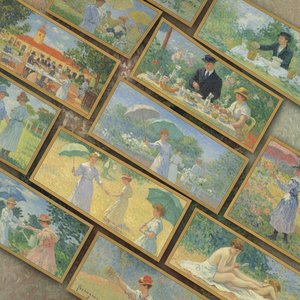
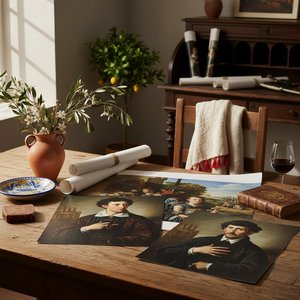
Today, the legacy of Orientalism continues to resonate within the halls of museums and the private collections of art enthusiasts worldwide. For those who find themselves drawn to the drama, color, and historical weight of these nineteenth-century masterpieces, the opportunity to bring such grandeur into a modern space is a profound way to engage with history. While original canvases from this era are rare and held primarily by institutions like the Musée d’Orsay, the art of the reproduction allows for a deeper, more personal connection to these iconic images. True appreciation of these works requires more than just a visual copy; it requires a respect for the original's soul. This is why collectors seek out hand-painted oil reproductions that honor the authentic textures and brushwork of the masters. A high-quality reproduction on cotton canvas, featuring the subtle impasto and rich tonal depth of the original, allows the light and shadow of the nineteenth century to breathe within a contemporary setting. Whether through a large-scale museum-quality piece or a carefully curated set of panels, preserving the aesthetic power of Orientalism ensures that the allure of this extraordinary era remains a living part of our cultural landscape.About ArtsDot.com
ArtsDot.com is a premier destination for those seeking to connect with the world's most significant historical artworks. We specialize in providing museum-quality, hand-painted oil reproductions that capture the true essence, texture, and spirit of the Old Masters. From the dramatic chiaroscuro of the Dutch masters to the vibrant palettes of the Orientalist movement, our artists use traditional techniques on fine cotton canvas to ensure every piece is a testament to artistic excellence. Whether you are looking to adorn a home with a custom portrait or seeking an expert consultation to find the perfect historical piece for your collection, ArtsDot.com offers unparalleled craftsmanship and a passion for preserving human creativity for generations to come.