Defining Tenebrism: The Intersection of Chiaroscuro and Dramatic Narrative
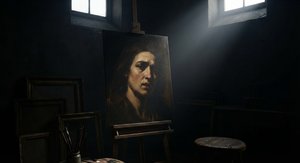
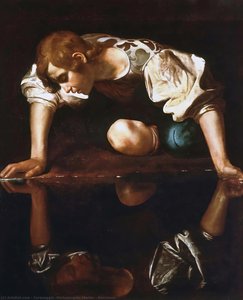
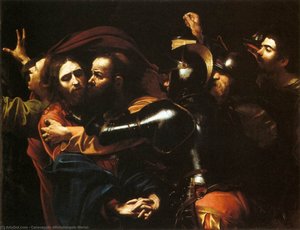
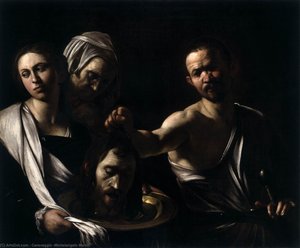
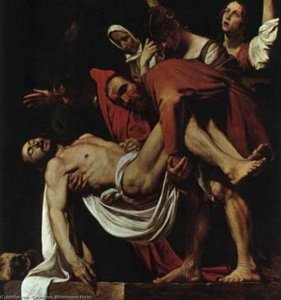
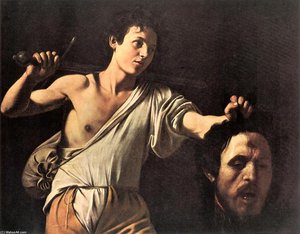
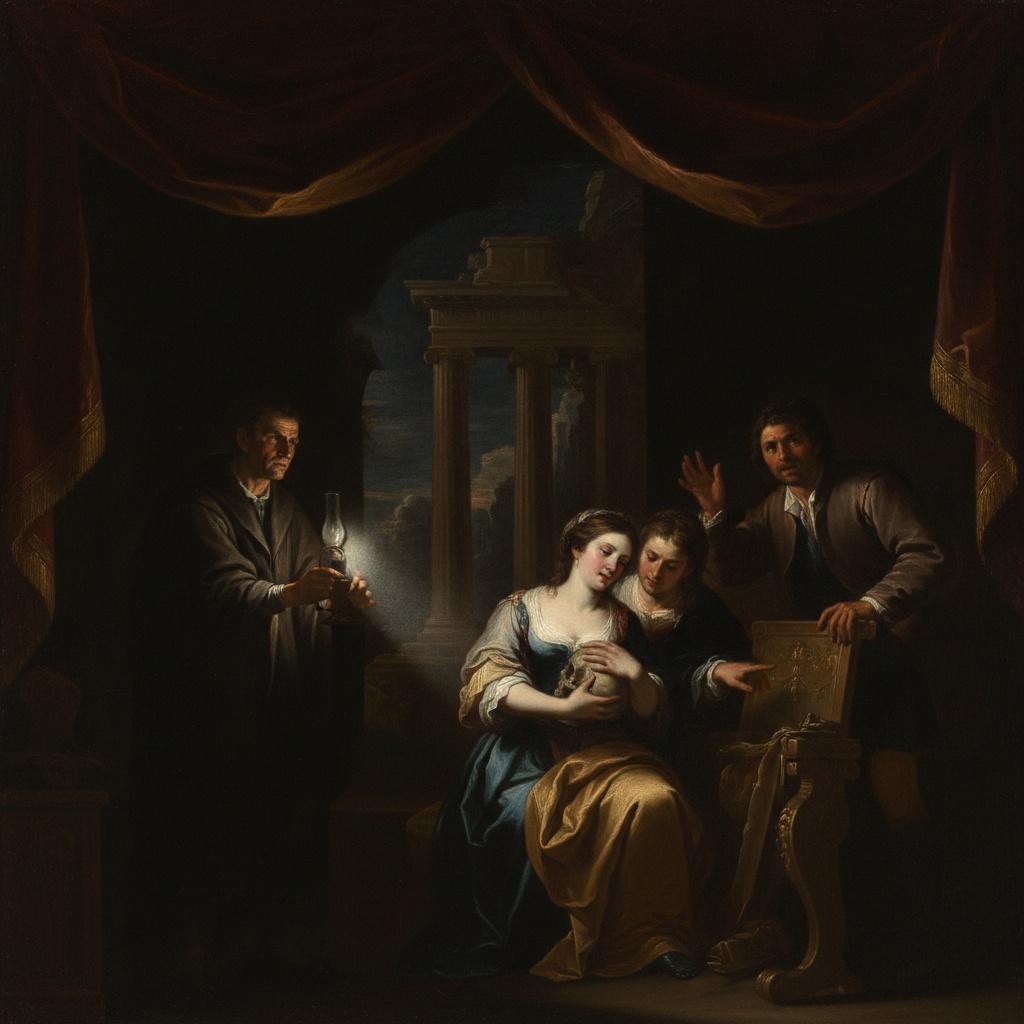
To step into the world of Baroque art is to enter a theater of profound contrasts, where the darkness is not merely an absence of light, but a physical presence that weighs upon the soul. At the heart of this visceral experience lies tenebrism—a term derived from the Italian tenebroso, meaning dark, gloomy, or mysterious. While often used interchangeably with chiaroscuro, tenebrism represents a more extreme and intentional application of light. Where chiaroscary seeks to model three-dimensional forms through subtle gradations of tone, tenebrism utilizes a violent, sudden illumination that pierces through an overwhelming shroud of blackness.
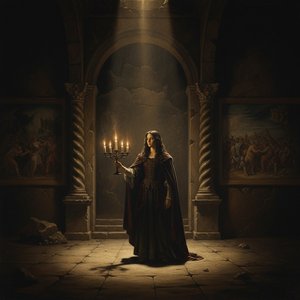
This technique serves as much more than a stylistic flourish; it is a narrative engine. By plunging large portions of the canvas into impenetrable shadow, the artist directs the viewer's gaze with surgical precision. The darkness acts as a void, stripping away unnecessary background details and forcing an intimate confrontation between the spectator and the subject. In these moments, the light does not simply illuminate; it reveals truth, exposes vulnerability, and heightens the psychological stakes of the scene. It is within this tension—the struggle between the seen and the unseen—that the true drama of the Baroque era resides.
The Architect of Shadows: Caravaggio and the Revolution of Realism
No name is more inextricably linked to this revolution than Michelangelo Merisi da Caravaggio. Before his emergence, the late Renaissance favored a certain idealized clarity, but Caravaggio introduced a gritty, uncompromising realism that felt startlingly immediate. He did not seek to paint the divine in an abstract sense; rather, he sought to find the divine within the dirt, the sweat, and the weathered skin of common humanity. His use of tenebrism transformed the canvas into a stage where the sacred and the profane collided under a single, harsh spotlight.
Consider the profound impact of works such as The Lute Player or The Flagellation of Christ. In these compositions, Caravaggio employs light to sculpt flesh and fabric, yet he allows the surrounding shadows to swallow the periphery, creating an intense sense of claustrophobia and focus. His ability to capture the texture of a pearl, the sheen of a lute's wood, or the raw agony of a wound through extreme contrast revolutionized the trajectory of Western art. This mastery of shadow influenced a lineage of masters, from the Dutch Golden Age to the Spanish Baroque, ensuring that his "dark manner" would become a cornerstone of art history.
Light as Protagonist: Psychological Depth and Emotional Intensity in Baroque Masterpieces
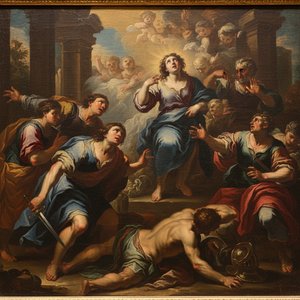
In the hands of the Baroque masters, light ceases to be a passive element of the environment and becomes a protagonist in its own right. It carries weight, emotion, and even spiritual significance. In many religious compositions, the sudden burst of light symbolizes divine intervention or an epiphany, cutting through the darkness of human ignorance or sin. This is evident in the works of artists like Cecco del Caravaggio, whose The Flute Player demonstrates how light can evoke a sense of musical serenity and quietude even amidst deep shadows.
Beyond the spiritual, this technique explores the depths of human psychology. The interplay of light and shadow allows for the depiction of internal conflict, deception, and sudden realization. In Caravaggio’s Cardsharps, the sharp illumination highlights the subtle gestures of trickery, inviting the viewer to participate in the tension of the game. This emotional intensity is what makes these works so enduring; they do not merely show us a moment in time, but allow us to feel the pulse of the characters' anxieties and triumphs. The light becomes a window into the human psyche, making the era's masterpieces timeless explorations of our shared emotional landscape.
Beyond the Canvas: The Lasting Influence of Tenebrism on Art History and Modern Visual Language
The legacy of tenebrism extends far beyond the 17th century, leaving an indelible mark on the evolution of visual storytelling. The dramatic tension pioneered by the Baroque masters can be traced through the works of Rembrandt, whose more nuanced use of light brought a soulful introspection to the genre, and Rubens, who utilized light to enhance the grandeur of his epic compositions. The movement's influence even migrated from the oil canvas to the silver screen, where the high-contrast lighting of film noir owes its very existence to the chiaroscuro traditions of the Old Masters.
Even in contemporary photography and digital media, we see the echoes of this dramatic interplay. The way a cinematographer uses a single key light to isolate a face against a dark background is a direct descendant of Caravaggiesque technique. Tenebrism taught us that what we choose to hide is just as important as what we choose to reveal. It established a visual language of mystery and impact that continues to shape how we perceive drama, importance, and truth in the modern age.
Preserving the Drama: Curating Baroque Masterpieces for the Modern Collector
For the discerning enthusiast, bringing the power of the Baroque into a contemporary space is an act of curation that requires both passion and care. Owning a piece that embodies this dramatic intensity—whether it be a meticulously hand-painted oil reproduction or a museum-quality print—demands an appreciation for the tactile nature of the medium. A true reproduction, much like the originals, thrives on the visible brushstrokes and the deep tonal range that only real oil on canvas can provide.
When integrating such profound works into a home or gallery, consider the following to ensure their longevity and impact:
- Lighting Environment: While tenebristic works celebrate shadow, avoid placing them in direct, harsh sunlight which can degrade pigments over time. Controlled, soft lighting will enhance the depth of the dark tones without causing fading.
- Framing and Presentation: A substantial frame—perhaps in gold leaf or deep espresso—can act as a window, further separating the dramatic world of the painting from the surrounding room.
- Atmospheric Integration: These works pair exquisitely with darker, more sophisticated interior palettes, allowing the light within the painting to serve as a focal point for the entire room.
At ArtsDot.com, we specialize in preserving this historical grandeur. Our collection of hand-painted oil reproductions allows collectors to experience the physical texture and emotional weight of these masterpieces. From the intricate details of a portrait to the sweeping shadows of a religious epic, our mission is to make the profound beauty of the Old Masters accessible to your personal collection, ensuring that the drama of the Baroque continues to illuminate the modern world.