
Introduction
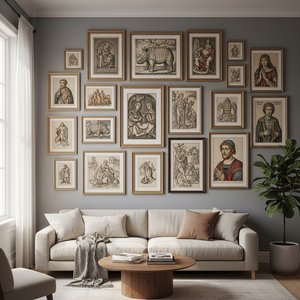
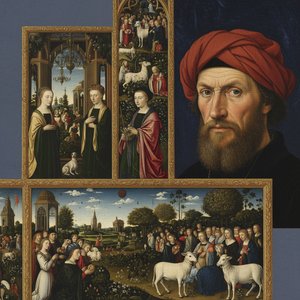
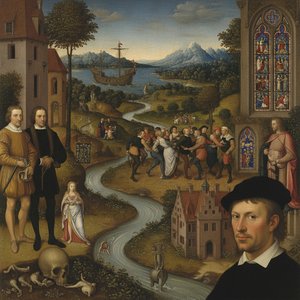
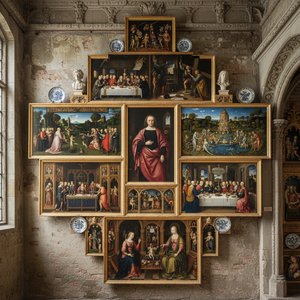
To step into the world of the Northern Renaissance is to move away from the idealized, sun-drenched geometries of the Italian Quattrocento and instead enter a realm of profound intimacy, microscopic detail, and a breathtaking reverence for the physical world. While the masters in Florence were rediscovering the mathematical laws of perspective, the artists of Flanders, Germany, and France were busy perfecting a different kind of magic: the alchemy of oil paint. They learned to capture not just the form of a subject, but the very way light clings to a velvet sleeve, the glint of a single teardrop, and the quiet, spiritual weight of everyday objects.
This era, flourishing roughly between the 14th and 16th centuries, was defined by an unparalleled devotion to verisimilitude . Through the innovative use of translucent oil glazes, painters like Jan van Eyck and Albrecht Dürer achieved a depth of color and a luminous texture that seemed almost supernatural. This was art born from a culture of intense observation, where the divine was not found in distant, abstract symbols, but in the meticulous rendering of a polished brass basin, a blooming rose, or the weathered skin of a merchant. It was a movement that bridged the gap between the earthly and the eternal, finding the sacred within the textures of the mundane.
Today, these masterpieces continue to resonate because they speak to our fundamental human desire to truly see . In an age of fleeting digital images, there is a profound stillness in these works that demands our presence. They remind us that beauty resides in the details—in the subtle interplay of shadow and light that defines our reality. Whether you are a student of art history, a collector seeking a window into the past, or a lover of fine craftsmanship, these paintings offer a sensory journey through a period of unparalleled human achievement.
In the following exploration, we shall walk through a curated selection of ten definitive works. Each painting serves as a cornerstone of the Northern Renaissance, representing the pinnacle of technical mastery and emotional depth. As we examine these canvases, prepare to encounter the textures, the light, and the enduring legacies of the masters who taught the world how to look at itself with wonder.
Adoration of the Trinity (Landauer Altar) - Albrecht Dürer
 Adoration of the Trinity (Landauer Altar) - Albrecht Dürer
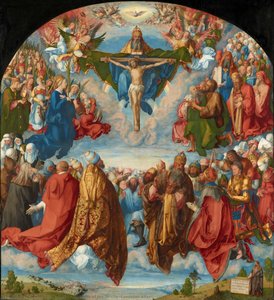
In Albrecht Dürer’s 1511 masterpiece, Adoration of the Trinity , light is not merely an illumination; it is a divine language. As you stand before this monumental work from the Landauer Altar, you realize Dürer did not simply paint light—he composed it like a complex musical sonata. The ethereal glow bathing the central figures does more than reveal form; it invents a sense of sacred atmosphere that transcends the heavy Gothic traditions of the era.
This painting serves as a profound window into the Northern Renaissance, blending Venetian-inspired perspective with Nuremberg’s soulful realism. Within this grand architectural hall, Dürer weaves a tapestry of faith where popes, saints, and even humble peasants exist in a single, harmonious moment of reverence. The meticulous detail—from the shimmering gold trim on celestial robes to the poignant instruments of the Passion—creates a depth that feels almost tactile. This masterpiece does not just reflect history; it breathes life into it, offering a portal of inspiration that invites you to bring the profound majesty of the German Renaissance into your own living space.
Portrait of a Young Venetian Woman - Albrecht Dürer
 Portrait of a Young Venetian Woman - Albrecht Dürer
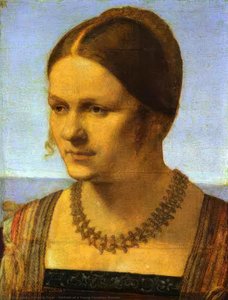
Albrecht Dürer’s Portrait of a Young Venetian Woman stands as a profound testament to the cultural synthesis that defined the Northern Renaissance. Painted during his transformative second journey through Italy, this work captures the precise moment where German precision met the atmospheric grace of the Venetian school. It earns its place among the top masterpieces of this era by demonstrating how Dür.er absorbed the soft, light-drenched techniques of masters like Bellini while retaining a distinctly Northern focus on psychological depth and meticulous detail.
The subject’s averted gaze and the warm, golden palette of ochre and deep brown invite a quiet introspection, reminding us that beauty is often found in moments of stillness. The subtle modeling of her skin and the delicate texture of her drapery create a sensory experience that transcends centuries. For the modern collector, bringing a hand-painted reproduction of this piece into a home offers more than mere decoration; it introduces a timeless conversation about human emotion and the enduring elegance of the Renaissance spirit into a contemporary space.
Young Hare - Albrecht Dürer
 Young Hare - Albrecht Dürer
In Albrecht Dürer’s 1502 masterpiece, Young Hare , the lines of nature aren’t merely drawn; they are choreographed . This is not a simple animal study; it is a dance of precision frozen in time. Through a breathtaking marriage of pen, ink, and delicate watercolor washes, Dürer captures the very essence of the Northern Renaissance: an unwavering devotion to empirical observation and the tactile reality of the natural world.
Observe how every strand of fur is rendered with such anatomical fidelity that the subject seems to breathe against the paper. The muted palette of ochre, russet, and soft cream creates a profound sense of tranquility, yet there is an underlying tension—a quiet alertness in the hare's gaze that speaks to the fleeting beauty of life. This work exemplifies how the movement transformed meticulous detail into high art. What if your own living room could hold this same delicate balance? By bringing a hand-painted oil reproduction of this icon into your home, your walls can breathe rhythm , offering a window into the disciplined harmony of the 16th century.
The Battle between Lent and Carnival - pieter bruegel the younger
 The Battle between Lent and Carnival - pieter bruegel the younger
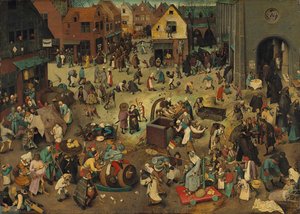
In The Battle between Lent and Carnival , Pieter Bruegel the Younger invites us into a dizzying, panoramic spectacle of 16th-century Flemish life. This is not merely a depiction of a village festival; it is a profound moral allegory captured through the lens of Northern Renaissance realism. The canvas vibrates with a chaotic energy, where the earthy ochres and deep reds of the crowd collide with the subtle tension between worldly indulgence and spiritual restraint.
As you navigate this densely populated landscape, your eyes move through layers of revelry—gambling, feasting, and music—only to encounter the sobering symbols of mortality and gluttony hidden within the throng. Bruegel the Younger masterfully preserves his father’s legacy, using meticulous oil techniques to create a textured, immersive world that feels both tactile and haunting. To possess a reproduction of this masterpiece is to invite a transformative piece of history into your home; it is an invitation to surround yourself with the complex, beautiful folly of the human condition, turning any private space into a true gallery of the soul.
The Mocking of Christ - matthias grünewald
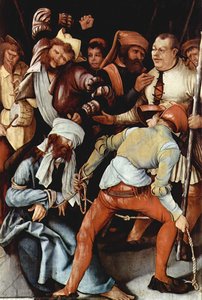 The Mocking of Christ - matthias grünewald
In the haunting shadows of The Mocking of Christ by Matthias Grünewald, time seems to fracture, leaving us suspended in a moment of profound human vulnerability and spiritual agony. This masterpiece stands as a cornerstone of the Northern Renaissance, distinguished not by classical serenity, but by an unflinching, visceral realism that captures the raw psychological depth of the Passion. Grünewald employs a palette of earthy ochres, bruised reds, and somber shadows to weave a narrative where every texture—from the coarse, binding ropes to the heavy, layered fabrics of the tormentors—breathes with a tangible, tactile life.
The composition is a masterclass in tension; the crowded, dynamic arrangement of figures creates a sense of claustrophobic urgency that pulls the viewer directly into the center of the conflict. For the modern collector, possessing a reproduction of such a work brings a sophisticated gravity to a space, offering a window into an era where art served as a profound mirror to the human soul. It is a painting that does not merely depict history; it vibrates with an eternal, emotive light.
Christ Among the Doctors - Albrecht Dürer
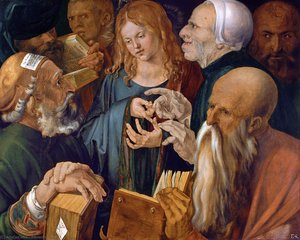 Christ Among the Doctors - Albrecht Dürer
In Christ Among the Doctors , Albrecht Dürer captures a profound intellectual tension that defines the Northern Renaissance. The scene is a masterclass in meticulous realism; every furrowed brow of the aged scholars and every intricate fold of their heavy drapery serves to ground this divine encounter in palpable, earthly detail. There is a gaze in this masterpiece that follows you—not with judgment, but with understanding . As you observe the young Christ engaging with the learned men, the painting acts less like a window into the past and more like a mirror , reflecting our own lifelong pursuit of truth and wisdom.
Dürer utilizes a warm, earthy palette of ochres and deep reds, illuminated by a dramatic light that carves forms out of the shadows. This interplay of light and shadow creates an atmosphere of solemnity and quiet contemplation. To possess such a piece is to invite this sense of historical gravity into your home. Whether you are drawn to the impasto textures of a handmade oil reproduction or the precision of a fine print, bringing this moment of divine dialogue into your space serves as a powerful reminder: in the presence of great art, you are seen, and you are part of the eternal story.
Peasant wedding - Pieter Bruegel the Elder
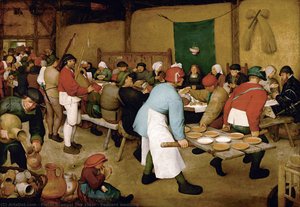 Peasant wedding - Pieter Bruegel the Elder
In Peasant Wedding , Pieter Bruegel the Elder invites us into a sensory whirlwind of 16th-century Flemish life, where the boundaries between observer and participant dissolve. This masterpiece stands as a cornerstone of the Northern Renaissance, departing from idealized religious iconography to find profound beauty in the unvarnished, bustling reality of the common man. Through a masterful use of earthy ochres, muted reds, and deep browns, Bruegel captures a scene of organized chaos; the heavy wooden beams and long communal tables provide a structural rhythm to the swirling energy of the feast.
The painting’s enduring legacy lies in its unflinching naturalism and its ability to find dignity in the everyday. For the modern collector or interior designer, this work offers more than mere decoration; it brings a sense of warmth, texture, and historical depth to a contemporary space. Whether through a large-scale Handmade Oil Reproduction that showcases tactile impasto brushstrokes or a curated multi-panel set for a grand hallway, Bruegel’s celebration of human connection remains a timeless anchor for any sophisticated home gallery.
Double Portrait of Jean de Dinteville and Georges de Selve (also known as The Ambassadors) - Hans Holbein the Younger
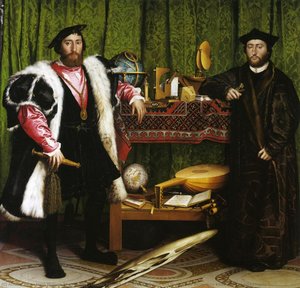 Double Portrait of Jean de Dinteville and Georges de Selve (also known as The Ambassadors) - Hans Holbein the Younger
In Hans Holbein the Younger’s 1533 masterpiece, the lines of power and intellect aren’t merely drawn; they are choreographed . This double portrait of Jean de Dinteville and Georges de Selve is not a static composition; it is a dance frozen in time , where the heavy textures of ermine fur and silk move in rhythm with the cold, precise geometry of scientific instruments. As you stand before this work, you witness the Northern Renaissance at its most intellectually dense—a world where a broken lute string whispers of religious discord and a celestial globe speaks of boundless exploration.
The visual tension reaches a breathtaking crescendo with the enigmatic, anamorphic skull, a memento mori that challenges your very perspective. It is a profound meditation on mortality hidden within an opulent display of worldly status. What if your own space could hold this same exquisite balance? At ArtsDot.com , we invite you to bring this historical harmony into your home through our hand-painted oil reproductions , capturing every meticulous brushstroke and symbolic shadow of Holbein’s genius.
The Hunters in the Snow (Winter) - Pieter Bruegel the Elder
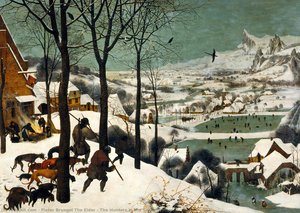 The Hunters in the Snow (Winter) - Pieter Bruegel the Elder
To encounter The Hunters in the Snow by Pieter Bruegel the Elder is to step into a frozen moment of 16th-century history, a work of such profound atmospheric depth that it remains a cornerstone of the Northern Renaissance. Bruegel does not merely paint a landscape; he captures the very breath of the Little Ice Age, utilizing a masterful command of atmospheric perspective where distant mountains fade into pale, ethereal blues, drawing the viewer into an expansive, chilling world.
The composition is a triumph of narrative layering, guiding the eye from the weary, diagonal line of hunters and hounds in the foreground to the rhythmic vitality of villagers skating on frozen ponds. This painting transcends mere seasonal depiction, offering a sophisticated study of human perseverance amidst environmental hardship. For the discerning collector, such a masterpiece brings an unparalleled sense of legacy and intellectual depth to a refined interior. Whether through a museum-quality oil reproduction or a curated print, Bruegel’s ability to weave texture, light, and seasonal melancholy into a single cohesive vision provides a timeless aesthetic anchor for any sophisticated space.
Adam and Eve - Lucas Cranach the Elder
 Adam and Eve - Lucas Cranach the Elder
Lucas Cranach the Elder’s Adam and Eve stands as a profound pillar of the Northern Renaissance, capturing the delicate tension between primordial innocence and the dawn of human consciousness. As a pivotal figure in the German Renaissance and a close associate of Martin Luther, Cranach utilizes this composition to mirror the theological shifts of the Reformation era. The painting is a masterclass in symbolic storytelling; through meticulous brushwork, he renders the lush, organic textures of the Garden of Eden—from the soft, luminous skin of the figures to the vibrant, tempting weight of the fruit.
Its placement among the greatest masterpieces of this movement is earned through its ability to blend botanical precision with deep philosophical inquiry. The interplay of warm ochres and earthy greens creates a serene yet heavy atmosphere, inviting viewers to contemplate the eternal cycle of temptation and consequence. For the modern collector, bringing a reproduction of this work into a curated space offers more than mere decoration; it introduces a timeless conversation about human nature and the enduring beauty of classical narrative art.
Conclusion
As the light fades on our journey through the Northern Renaissance, we are left with more than just a catalog of historical achievements; we carry with us the profound, quiet intimacy of Jan van Eyck’s textures, the spiritual weight of Rogier van der Weyden, and the meticulous devotion to detail that defined an era. These masterpieces are not merely relics preserved behind museum glass; they are living presences, breathing through their layers of oil and glaze, continuing to move hearts and shape the very essence of human emotion centuries after the final brushstroke was laid. They remind us that beauty lies in the profound observation of the world around us—in the way light hits a single pearl or settles upon a heavy velvet fold.
At ArtsDot.com , we believe these timeless connections deserve a place within our modern lives, transforming contemporary spaces into sanctuaries of culture and reflection. For the interior designer, the architect, or the collector of refined estates, we serve as a dedicated creative partner, specializing in turning ambitious visions into artistic statements. Whether you are curating a grand hotel lobby, a private villa, or a sophisticated residential project, our studio provides the bridge between history and modern luxury. Through our professional digital mockup service, we allow you to visualize these legends on your specific walls, ensuring every color and composition aligns perfectly with your architectural intent.
From large-scale murals that recreate the grandeur of historical ceilings to bespoke, hand-painted oil reproductions that capture the tactile soul of the original masters, our mission is to bring the museum experience into the home. We invite you to explore our full collection and discover how the enduring legacy of the Northern Renaissance can become the cornerstone of your next extraordinary design.