The Echoes of Ancestry: Family Portraits Through History
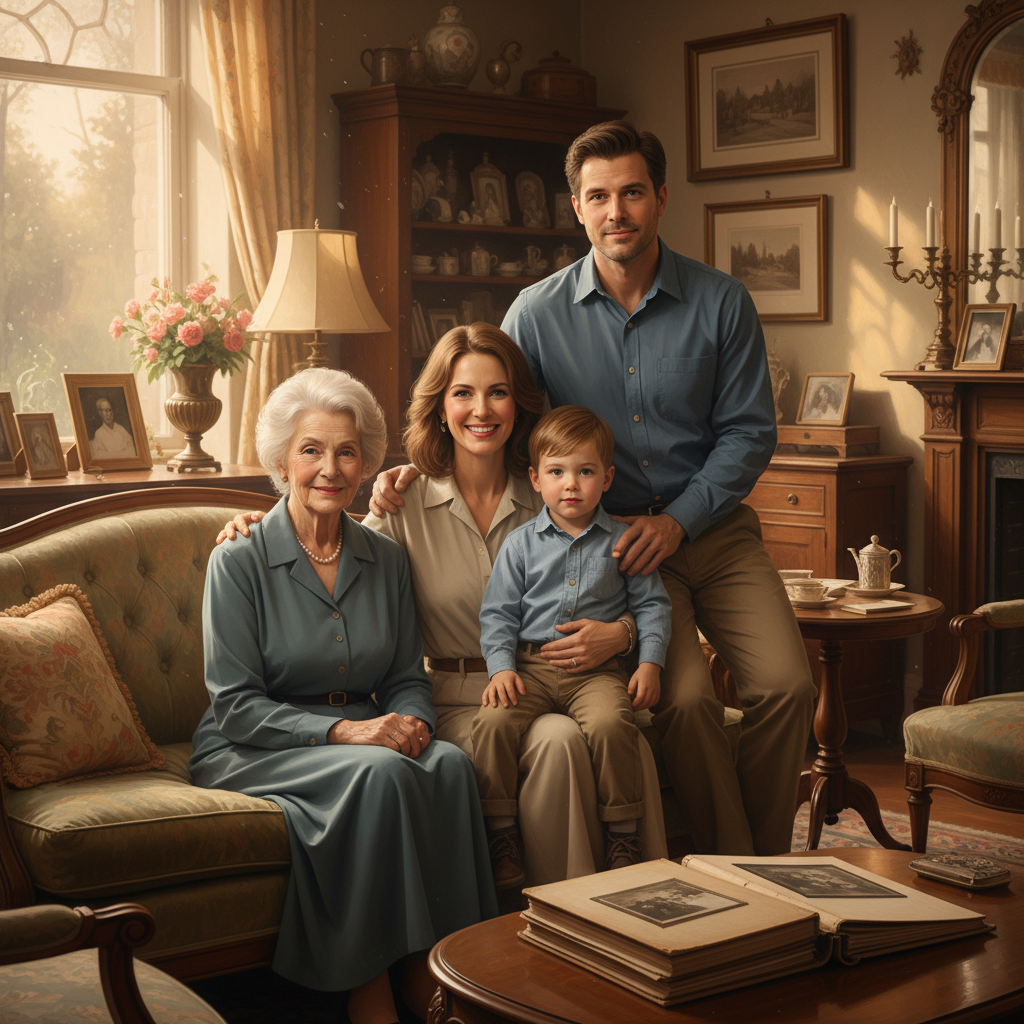
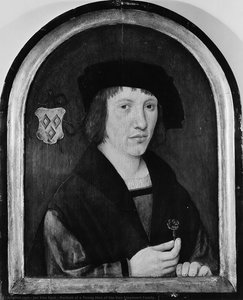
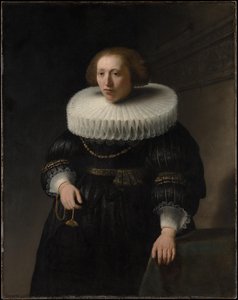
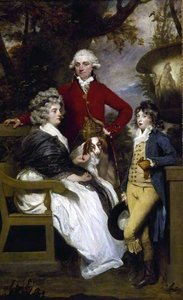
From the earliest attempts to capture a likeness – rudimentary silhouettes and painted miniatures – the desire to preserve the image of loved ones has been a deeply human impulse. Before photography’s advent, portraiture was largely reserved for the aristocracy, a visual declaration of status and lineage. Consider John Astley's 1758 depiction of The Molyneux Family of Castledillon, a work steeped in Rococo elegance that doesn’t merely *show* a family; it proclaims their position within Irish society. These weren’t simply aesthetic exercises, but carefully constructed narratives intended to endure through time. The very materials – oil on canvas, the solidity of marble sculpture – spoke to permanence, a defiance against the ephemeral nature of life itself. Even earlier examples, though less refined by modern standards, carried this same weight. The camera obscura, a precursor to photography, offered a tantalizing glimpse of image capture, but it was the painstaking skill of the artist that truly brought a face to life, imbuing it with personality and character.
As photographic technology evolved throughout the 19th century – from the daguerreotype’s metallic sheen to the softer tones of calotypes – portraiture became increasingly accessible. However, even with this democratization, the act retained a certain solemnity. Early photographs often required lengthy exposure times, demanding stillness and formality from their subjects. This inherent constraint contributed to a sense of gravity, reinforcing the idea that these images were not fleeting snapshots but rather carefully considered representations intended for posterity. The history of photography itself is a testament to this desire – a relentless pursuit of methods to fix an image, to hold onto a moment before it vanished forever.
More Than Likeness: The Emotional Weight of Familial Representation
Beyond the technical skill involved in creating a portrait lies its profound emotional resonance. A family portrait isn’t simply about accurately depicting physical features; it's about capturing relationships, shared histories, and unspoken bonds. Henry Raeburn Dobson’s John Tait and His Grandson beautifully illustrates this point. The gentle connection between the two figures transcends mere representation; we *feel* their affection, their lineage, their quiet understanding. This is where portraiture moves beyond craft and enters the realm of art – when it evokes a genuine emotional response in the viewer.
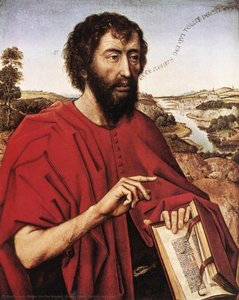
The power of a family portrait also lies in its ability to act as a conduit to the past. Looking at an image of ancestors allows us to connect with those who came before, to imagine their lives and understand our own place within a larger narrative. It’s a tangible link to heritage, a visual reminder of where we come from. This is particularly poignant in works like Baby Kutty’s grandfather, by Aditya Lakshmi Krishna, which captures the quiet dignity of age and the tender connection between generations. The painting isn't just about individuals; it's about the continuity of family, the passing down of stories and values.
Commissioning a Legacy: Modern Approaches to Portraiture & Preservation
Today, commissioning a family portrait is no longer solely the domain of the wealthy. Services like offer accessible avenues for transforming cherished memories into lasting heirlooms. The process has evolved too – from initial consultation and mockup creation to the meticulous hand-painting by skilled artists. This collaborative approach ensures that the final artwork truly reflects the client’s vision, capturing not just a likeness but also the unique personality of each family member.
The choice between an oil painting and a high-quality giclée print is often a matter of personal preference and budget. While an original oil painting offers the tactile richness and enduring quality of traditional techniques, a carefully crafted print can provide a remarkably faithful reproduction at a more accessible price point. The key lies in selecting materials that guarantee longevity – archival inks on 100% cotton canvas, for example – ensuring that the portrait will remain vibrant for generations to come.
A Timeless Investment: Why Family Portraits Endure as Heirlooms
In a world saturated with fleeting digital images, the enduring appeal of a hand-crafted family portrait lies in its tangibility and permanence. Unlike photographs stored on hard drives that can become corrupted or obsolete, a painting or high-quality print is a physical object that can be displayed proudly and passed down through generations. It’s an investment not just in art but in legacy – a visual testament to the bonds that unite a family.
The value of a family portrait extends far beyond its monetary worth. It's a conversation starter, a source of comfort, and a reminder of those we love. It’s a piece of history, a window into the past, and a beacon for the future. As Stephanie Sabourin eloquently states, “Family portraits are more than just images; they are portals to the past.” And as Val Westover emphasizes, these artworks serve as “heirlooms…connecting us to our roots.” In an age of constant change, a family portrait offers a sense of stability and continuity – a timeless reminder that some things truly endure.