Early Life & Training: Foundations of a British Painter
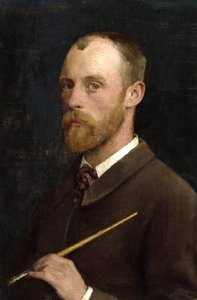 Self-portrait of Sir George Clausen
Discover 'Self-Portrait of Sir George Clausen,' a captivating 1882 oil painting by the renowned British artist. Explore his Impressionistic style & masterful use of light in this intimate self-representation. Hand-painted reproductions available at W
Sir George Clausen, born in London in 1852, emerged from a background steeped in artistic tradition yet uniquely positioned to bridge the gap between Victorian realism and the burgeoning Impressionist movement. His father, a decorative artist of Danish heritage, instilled an early appreciation for visual aesthetics, while his Scottish mother contributed a sensibility perhaps more attuned to the emotional resonance of landscape. From 1867, Clausen’s formal training at the South Kensington Schools proved pivotal, providing him with a solid foundation in design principles and technical skill. These years were marked by diligent study and early success, but it was his subsequent mentorship under Edwin Long RA, followed by time spent in Paris with Bouguereau and Tony Robert-Fleury at the Académie Julian, that truly shaped his artistic trajectory. Paris exposed him to a wider range of influences, yet Clausen’s inherent inclination leaned towards a more grounded, narrative approach than the purely academic styles prevalent there.
From Naturalism to Impressionism: Clausen's Artistic Evolution
 Wikipedia: George Clausen
Sir George Clausen (18 April 1852 – 22 November 1944) was a British artist working in oil and watercolour, etching, mezzotint, drypoint and occasionally lithographs. He was knighted in 1927. == Biography == George Clausen was born at 8 William Str...
Clausen’s early work reflected the prevailing tastes of the era – detailed landscapes and cityscapes reminiscent of the Hague School. However, a move to Childwick Green in Hertfordshire in 1881 proved transformative. Here, surrounded by the rhythms of rural life, he began to explore Naturalism, influenced significantly by Jean-François Millet and Jules Bastien-Lepage. His paintings from this period – scenes of agricultural laborers, rendered with honesty and a lack of romantic idealization – resonated with a growing public interest in social realism. But Clausen wasn’t content to simply document; he sought to capture the *feeling* of these moments, the quality of light and atmosphere that imbued them with life. This pursuit led him inexorably towards Impressionism in the early 1890s. He embraced painting *en plein air*, striving to record fleeting impressions of sunlight filtering through trees or illuminating a field. This wasn’t a wholesale adoption of French techniques, however; Clausen infused his Impressionism with a distinctly British sensibility – a softer palette, a greater emphasis on narrative detail, and a profound connection to the English countryside.
Scenes of Rural England: A Poetic Depiction of Daily Life
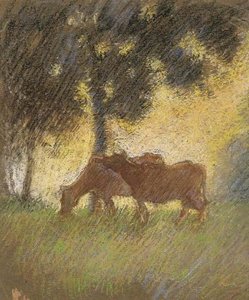 Cows Taking Shade
Admire 'Cows Taking Shade' by Sir George Clausen – a luminous British Impressionist landscape capturing rural beauty. Hand-painted reproductions available.
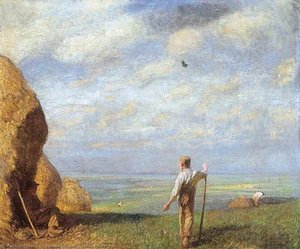
The heart of Clausen’s oeuvre lies in his depictions of rural England. Paintings like Cows Taking Shade exemplify his mastery of light and color, capturing the languid heat of a summer afternoon with remarkable sensitivity. He wasn't merely painting cows; he was evoking a sense of peace, tranquility, and the timeless beauty of the natural world. Similarly, Making Guns. Lifting an Inner Tube transcends its literal subject matter – a scene from wartime production – to become a poignant meditation on rural life disrupted by conflict. The luminous quality of the painting, the careful observation of light and shadow, elevates it beyond simple reportage. His subjects weren’t grand historical events or mythological figures; they were ordinary people engaged in everyday tasks – children scaring birds from fields, women working in gardens, farmers tending their land. Yet, through his skillful brushwork and keen eye for detail, Clausen imbued these scenes with a quiet dignity and poetic resonance.
Clausen and the New English Art Club: Championing Modernity
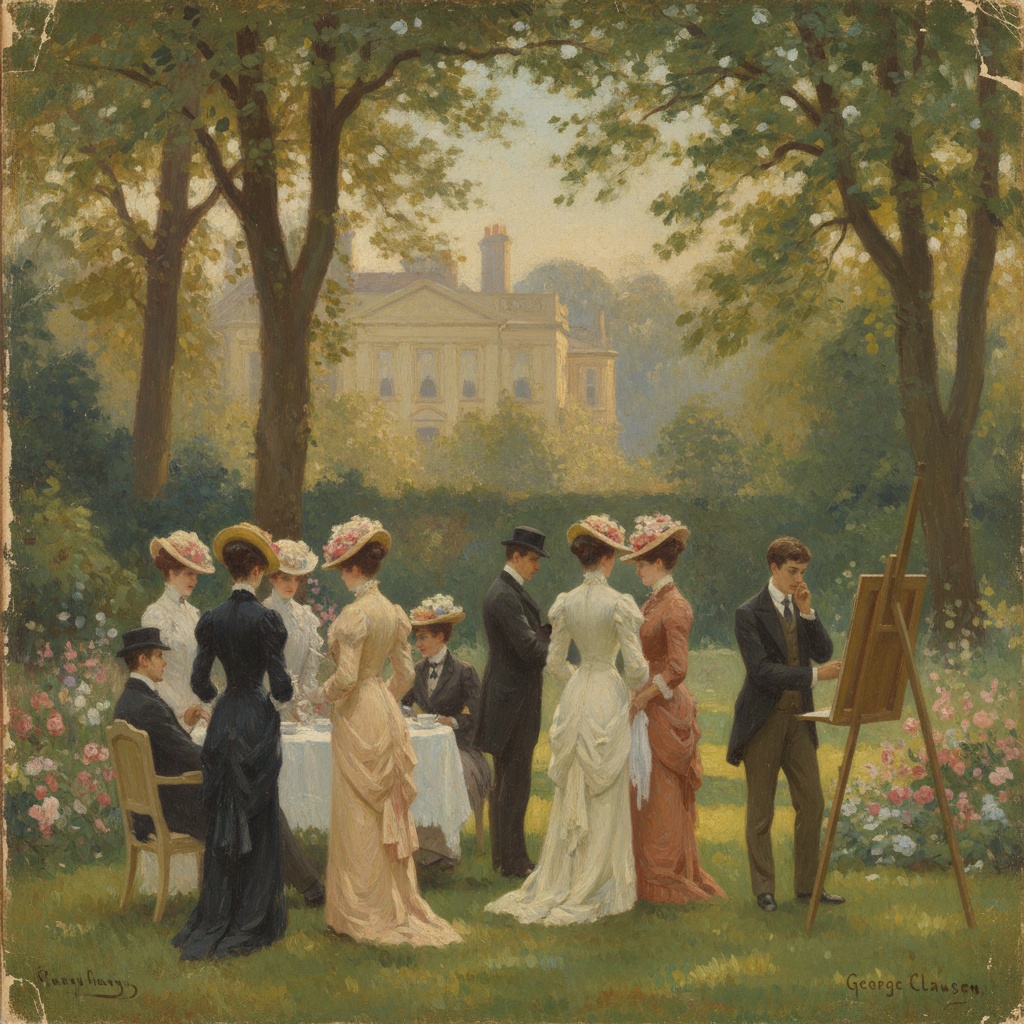
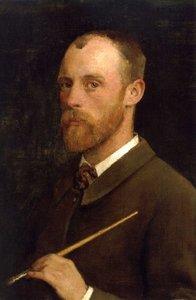 Sir George Clausen
Sir George Clausen (1852-1944): British Impressionist painter of luminous rural scenes & poignant war art, including 'Youth Mourning.' Founder of the New English Art Club.
Recognizing the limitations of the established art world, Clausen became a founding member of the New English Art Club (NEAC) in 1886. This group, comprised of artists who felt stifled by the conservative selection process of the Royal Academy, provided a vital platform for showcasing innovative and progressive work. Clausen quickly emerged as a leading figure within the NEAC, advocating for a more open and inclusive approach to art. The club’s exhibitions became known for their willingness to embrace new styles and subject matter, challenging conventional norms and paving the way for future generations of British artists. Clausen's influence extended beyond his own paintings; he actively encouraged experimentation and fostered a spirit of collaboration among his peers. His commitment to artistic freedom and innovation helped establish the NEAC as a crucial force in shaping the landscape of British art.
Wartime Reflections: 'Youth Mourning' & Commemorating Loss
The outbreak of World War I profoundly impacted Clausen’s work, shifting his focus towards themes of loss, sacrifice, and remembrance. Commissioned as an official war artist, he documented scenes from the home front, but it was his painting Youth Mourning that stands as a particularly powerful testament to the human cost of conflict. The image – a young woman consumed by grief in a desolate landscape – is deeply affecting, conveying a sense of profound sorrow and isolation. The painting’s muted palette and somber atmosphere reflect the widespread mourning that gripped Britain during the war years. It's believed the work was inspired by the loss of his daughter’s fiancé, Second Lieutenant Geraint Payne, adding a personal dimension to its emotional weight. Unlike many overtly patriotic war paintings, Youth Mourning offers a quiet, introspective meditation on the psychological toll of conflict, resonating with universal themes of grief and loss.
Legacy and Influence: Clausen’s Enduring Contribution to British Art
Sir George Clausen's contribution to British art is multifaceted. He successfully bridged the gap between Victorian realism and Impressionism, forging a distinctive style that captured the essence of Edwardian life with sensitivity and grace. His commitment to painting *en plein air* and his masterful use of light and color influenced countless artists who followed in his footsteps. He was elected an Associate of the Royal Academy in 1895 and a full Academician in 1906, solidifying his position within the art establishment. Beyond his paintings, Clausen’s role as a founding member of the New English Art Club and his influential lectures at the Royal Academy helped shape the direction of British art for generations to come. Today, his works are celebrated for their poetic beauty, their honest depiction of everyday life, and their enduring ability to evoke a sense of nostalgia and longing. Discover the captivating world of Sir George Clausen – and bring a touch of Edwardian elegance into your home with high-quality reproductions available at ArtsDot.