


The Psychology of Place: How Art Shapes Guest Perception & Memory
The psychology of art is the scientific study of cognitive and emotional processes precipitated by the sensory perception of aesthetic artefacts, such as viewing a painting or touching a sculpture. It is an emerging multidisciplinary field of inquiry...
For centuries, humans have imbued their spaces with meaning through art—from the cave paintings of Lascaux to the Renaissance frescoes adorning Italian palazzos. This innate desire to surround ourselves with beauty and symbolism isn’t merely decorative; it's deeply rooted in our psychology. In the modern hospitality landscape, where experiences are paramount, understanding this fundamental connection between art and perception is no longer a luxury but a necessity. A hotel room isn’t simply a place to rest; it’s a temporary sanctuary, a stage for personal narratives, and a canvas upon which memories are painted. The artwork within that space profoundly influences the emotional tenor of that experience.
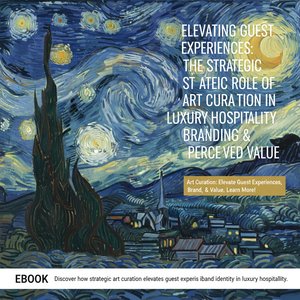
Consider the power of color. Warm hues like ochre and terracotta evoke feelings of comfort and intimacy, while cool tones such as blues and greens promote tranquility and relaxation. But it’s not simply about individual colors; it's about their interplay—the subtle harmonies and deliberate contrasts that create a specific mood. The Impressionists, masters of capturing fleeting moments of light and emotion, understood this intuitively. Monet’s water lilies, for example, aren’t just depictions of nature; they are invitations to contemplation, evoking a sense of peace and serenity. Similarly, Van Gogh's bold brushstrokes and vibrant colors can inject energy and passion into a space. The neurological basis for these responses lies in the way our brains process visual information—aesthetic appeal triggers dopamine release, creating positive associations and enhancing memory formation. A hotel that thoughtfully curates its art collection taps into this primal connection, transforming a functional space into an emotionally resonant environment.
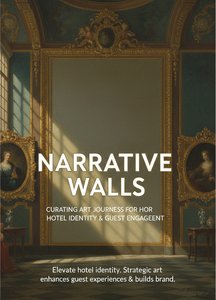
Beyond individual pieces, the *narrative* woven through an art collection is critical. A disjointed assortment of artwork feels arbitrary and lacks impact. Instead, hotels should embrace collections that tell a story—reflecting local history, celebrating cultural heritage, or embodying the brand's core values. This narrative creates a deeper connection with guests, transforming their stay from transactional to experiential. Imagine a boutique hotel in Kyoto featuring calligraphy scrolls and ukiyo-e prints; this not only showcases Japanese artistry but also immerses guests in the region’s rich cultural tapestry.
Curating a Brand Narrative: Aligning Art with Hotel Identity & Values
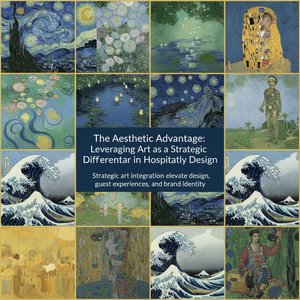 The Aesthetic Advantage: Leveraging Art as a Strategic Differentiator in Hospitality Design
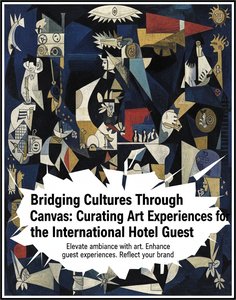
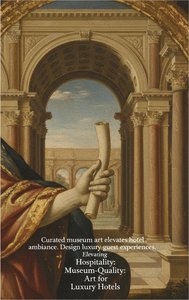
Discover how strategic art integration elevates hospitality design & enhances guest experiences. Expert insights on curation, brand identity, ROI, and custom solutions for luxury hotels. Learn to leverage art as a powerful differentiator.
A hotel’s brand is more than just a logo or tagline; it's the sum of every interaction a guest has with the property. Art plays a crucial role in reinforcing this identity, shaping perceptions and fostering loyalty. The most successful hotels understand that art isn’t simply an accessory—it’s an extension of their core values. For example, a hotel emphasizing sustainability might feature artwork crafted from recycled materials or depicting natural landscapes, subtly communicating its commitment to environmental responsibility. Conversely, a luxury hotel focused on sophistication could showcase classic masterpieces or contemporary works by renowned artists, projecting an image of refinement and exclusivity.
This alignment must extend beyond the visual aesthetic; it should permeate every aspect of the art selection process. Consider the provenance of the artwork—was it sourced ethically? Does it support local communities? These considerations resonate with increasingly conscious travelers who prioritize authenticity and social responsibility. Furthermore, the emotional tone of the artwork is paramount. Does it evoke feelings of calm, excitement, or luxury? Ensure this aligns with the overall brand promise. A hotel aiming to create a sense of playful energy might feature abstract expressionist paintings, while one seeking to foster tranquility could opt for serene landscapes or minimalist sculptures.
Consistency is key. The art selection should be reflected not only in public spaces but also within guest rooms and even digital marketing materials. This creates a unified brand aesthetic that resonates with the target audience. Destination Marketing Organizations (DMOs) increasingly recognize the power of art in attracting visitors; hotels can leverage this by showcasing local artists and cultural heritage, further strengthening their connection to the surrounding community.
Beyond Aesthetics: Measuring the ROI of Strategic Art Investments
Traditionally, art has been viewed as an expense rather than an asset. However, this perspective is rapidly changing within the hospitality industry. A thoughtfully curated collection can significantly enhance guest satisfaction, leading to positive reviews and increased repeat business. Guests are willing to pay a premium for experiences that resonate emotionally, and art plays a crucial role in creating these experiences. The impact extends beyond immediate financial gains; artwork can serve as a talking point, generating social media buzz and attracting new customers through word-of-mouth marketing.
Consider the potential for custom commissions; supporting local artists not only enhances the hotel’s reputation but also creates unique pieces that cannot be replicated elsewhere. Art AV exemplifies this approach, transforming art into an appreciating asset within hotel portfolios. The value of limited edition prints or original works can increase over time, providing a long-term financial benefit. Moreover, a well-maintained collection adds to the overall ambiance and perceived luxury of the property, justifying higher room rates. Hotels should view their art collections as dynamic investments—assets that appreciate in value both aesthetically and financially.
Measuring this ROI requires careful analysis. Track guest feedback through surveys and online reviews, paying attention to comments related to the artwork. Monitor social media mentions and engagement levels. Analyze booking data to identify correlations between art-related initiatives and increased occupancy rates. By quantifying these intangible benefits, hotels can demonstrate the tangible value of strategic art investments.
Emotional Design in Hospitality: Evoking Feelings Through Artistic Choices
Emotional Design is both the title of a book by Donald Norman and of the concept it represents. == Content == The main topic covered is how emotions have a crucial role in the human ability to understand the world, and how they learn new things. In...
Donald Norman’s work on Emotional Design highlights the crucial role emotions play in human perception and decision-making. Aesthetically pleasing objects appear more effective simply by virtue of their sensual appeal, fostering an affinity between the user and the object. In the context of hospitality, this translates to choosing artwork that evokes positive feelings – tranquility, excitement, nostalgia, or inspiration.
Consider the three levels of design: visceral (initial reaction), behavioral (usability), and reflective (meaning). A successful art collection addresses all three levels, creating a holistic emotional experience. For example, a painting with vibrant colors might evoke an immediate positive response (visceral level), while its subject matter could tell a story about local history (reflective level). Furthermore, the placement of artwork is critical; strategically positioned pieces can create focal points, guide movement through the space, and enhance the overall ambiance. The goal is to create an environment that feels both visually appealing and emotionally resonant.
The principles of neuroaesthetics, which explore the neurological basis of aesthetic appreciation, offer further insights into this process. Artwork that stimulates multiple senses—through color, texture, and form—is more likely to evoke a strong emotional response. Hotels can leverage these principles by incorporating artwork that engages guests on a deeper level, creating lasting memories and fostering a sense of connection.
Sourcing & Commissioning: Building Relationships with Artists for Unique Collections
Choosing the right artists is crucial for creating a truly impactful collection. Look beyond established names and explore emerging talent; this not only supports the artistic community but also allows you to discover unique pieces that cannot be found elsewhere. Vetting artists requires careful consideration of their style, technique, and reputation. Review their portfolios, read reviews, and speak with other collectors or galleries. Ensure their work aligns with your brand identity and target audience.
Collaboration is key; establish clear communication channels and provide constructive feedback throughout the creative process. Consider commissioning custom pieces that reflect the hotel’s unique story or location. This allows for greater control over style, size, and subject matter, ensuring a perfect fit with the overall aesthetic scheme. Supporting local artists not only enhances the hotel’s reputation but also imbues the space with authenticity and character.
Building long-term relationships with artists can be mutually beneficial. Offer them opportunities to showcase their work in other venues or collaborate on future projects. This fosters a sense of loyalty and ensures access to unique and high-quality artwork.
Maintaining Aesthetic Continuity: From Lobby to Guest Room and Beyond
A fragmented aesthetic can undermine the hotel’s brand identity and create confusion among guests. Instead, strive for consistency across all touchpoints. The art selection should be reflected not only in public spaces but also within guest rooms, hallways, and even digital marketing materials.
Develop a style guide that outlines the preferred color palettes, themes, and artistic styles. This ensures that all artwork complements the overall aesthetic scheme. Consider using variations of the same theme or artist throughout the property; this creates a sense of continuity and reinforces the brand narrative. Furthermore, pay attention to framing and lighting; these elements can significantly impact the perceived quality and emotional impact of the artwork.
Regularly review and update the collection to maintain its freshness and relevance. Rotate pieces seasonally or introduce new works by emerging artists. This demonstrates a commitment to innovation and keeps the guest experience engaging. Ultimately, successful art curation is an ongoing process—a dynamic interplay between artistic vision, brand identity, and guest perception.
At ArtsDot.com, we believe that art has the power to transform spaces and create lasting memories. We offer a curated selection of hand-painted reproductions and original artwork, tailored to your specific needs and preferences. Our team of expert advisors can help you navigate the complexities of art curation, ensuring a seamless and impactful experience for your guests. Explore our collections today and discover how we can elevate