


Introduction: The Enduring Appeal of Masterful Art in Luxury Spaces
This publication is meant to extend popular and critical understanding of Giacometti's achievement and to return the reader to the center of. Giacometti's work, ...
The pursuit of beauty, the desire to surround oneself with objects of significance—these are not new impulses. Throughout history, those who have achieved a degree of refinement have sought to elevate their surroundings through art. But what defines “art” within the context of luxury hospitality is evolving. It’s no longer solely about acquiring original masterpieces, often financially prohibitive and logistically complex. Instead, a sophisticated understanding of reproduction—not as imitation, but as informed re-creation—has emerged as a powerful tool for shaping atmosphere, reinforcing brand narratives, and delivering an experience that resonates with discerning guests. The allure lies not simply in the visual representation of a beloved work, but in the ability to curate a world, to evoke emotion, and to tell a story through carefully chosen imagery.
The Psychology of Perception: Why Reproductions Resonate with Discerning Clients
 Wikipedia: The Work of Art in the Age of Mechanical Reproduction
"The Work of Art in the Age of Mechanical Reproduction" (German: Das Kunstwerk im Zeitalter seiner technischen Reproduzierbarkeit) (1935), by Walter Benjamin, is an essay of cultural criticism which proposes and explains that mechanical reproduction ...
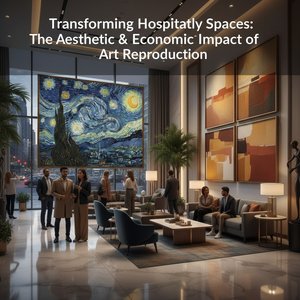
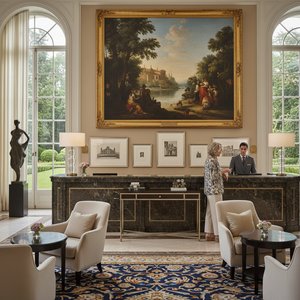
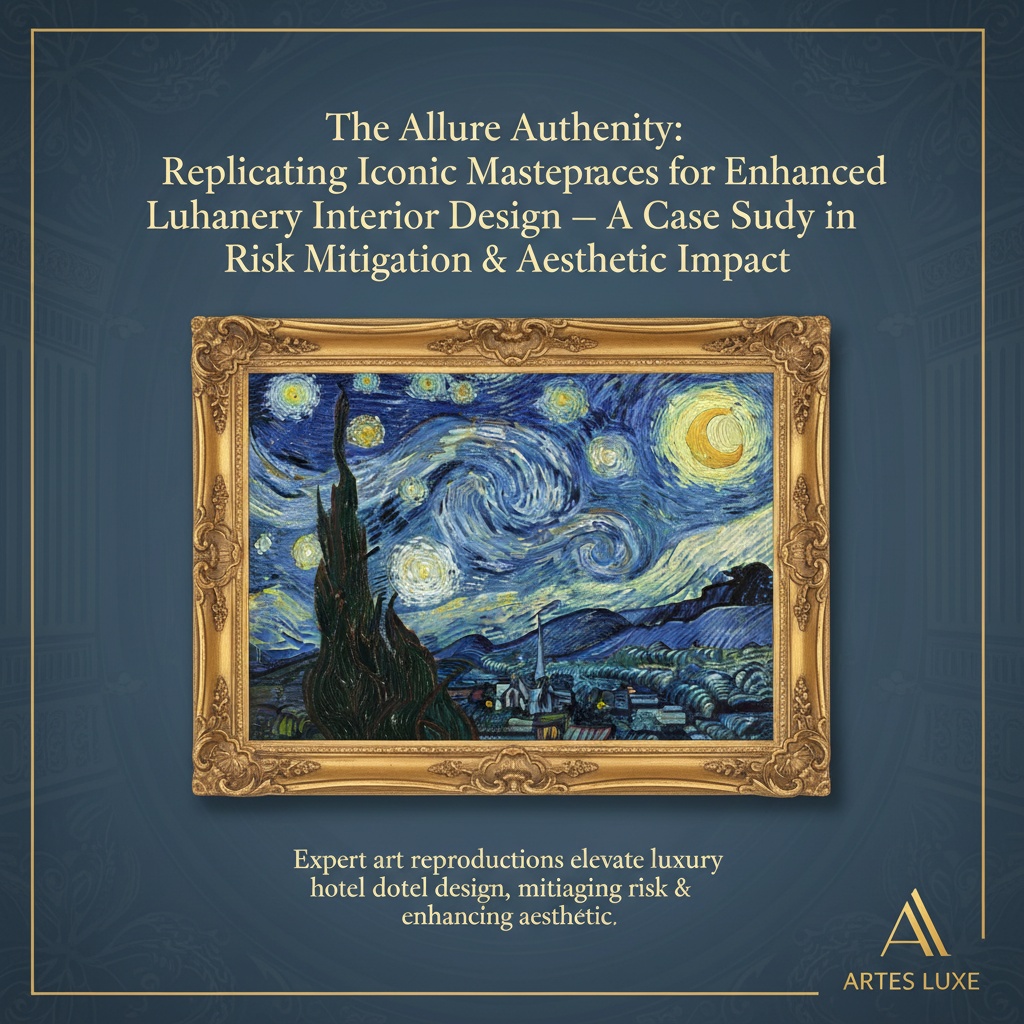
To dismiss a high-quality reproduction as merely a “copy” is to fundamentally misunderstand the human experience of art. Walter Benjamin’s seminal essay, “The Work of Art in the Age of Mechanical Reproduction,” explored how the very act of replication alters our relationship with an artwork, shifting its value from ritualistic uniqueness to broader accessibility. While Benjamin focused on mechanical reproduction, his core argument—that aura is not solely tied to origin but also to context and reception—remains profoundly relevant today. A guest entering a hotel lobby doesn’t necessarily know (or need to know) whether the captivating landscape before them is an original Van Gogh or a meticulously hand-painted recreation. What they *do* perceive is the emotional impact, the sense of history, the quality of execution, and how it contributes to the overall ambiance. The power of suggestion, the skillful deployment of color and composition, and the sheer beauty of the image are what truly captivate. Furthermore, for many clients, a reproduction allows access to works they could never otherwise possess, democratizing art appreciation and fostering a sense of cultural connection.
Navigating Authenticity & Reproduction: A Risk Mitigation Framework for Hotel Design
However, this embrace of reproduction isn’t without its considerations. For hotel designers, the potential pitfalls lie in maintaining brand integrity and avoiding accusations of misrepresentation. The key is transparency—not necessarily disclosing every piece as a reproduction (unless specifically requested), but ensuring that the quality aligns with the overall luxury positioning. A poorly executed reproduction can instantly undermine an otherwise sophisticated aesthetic. A robust risk mitigation framework begins with meticulous artist selection, prioritizing skilled professionals capable of faithfully recreating the nuances of the original work. Equally important is material sourcing: archival-quality canvases, premium oil paints, and museum-grade framing are non-negotiable. Beyond technical proficiency, a discerning eye for detail—accurate color matching, brushstroke replication, and an understanding of historical techniques—is paramount. Finally, clear documentation of provenance (even for reproductions) provides a layer of assurance and protects against potential disputes.
Case Study: Integrating Bespoke Art Solutions into a Boutique Hotel’s Brand Identity
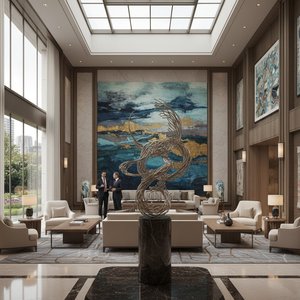 Corporate Services: Elevating Hospitality Design with Bespoke Art Solutions
Elevate your hotel's ambiance with Corporate Services. We provide bespoke art solutions – from custom reproductions to large-scale installations – tailored for luxury hospitality design. Expert consultation & seamless project management.
Consider the recent renovation of “The Azure Coast,” a boutique hotel in Barcelona aiming to cultivate an atmosphere of understated elegance inspired by the Spanish modernist movement. The design team eschewed readily available prints, opting instead for bespoke reproductions of works by Álvaro Barrios, specifically his vibrant folk-art print, ‘Popular Print for Exhibition at the Museum of Modern Art, Bogotá.’ Rather than simply replicating the image, they commissioned a series of large-scale canvases that incorporated elements of the hotel’s architectural design—subtle color palettes mirroring the lobby’s furnishings and custom framing echoing the building’s art deco details. This wasn't merely about displaying art; it was about creating an immersive experience where the artwork felt intrinsically linked to the space. The choice also resonated with the hotel’s target demographic – culturally aware travelers seeking authentic experiences. The success of this project hinged on a collaborative approach, working closely with skilled artists and utilizing high-resolution scans of the original work to ensure fidelity and detail.
Materiality and Technique: Achieving Museum-Quality Reproductions
The pursuit of museum-quality reproduction demands an unwavering commitment to technique. Unlike digital printing, hand-painted reproductions require a deep understanding of oil painting principles—layering, glazing, impasto, and color mixing. Artists must not only replicate the visual appearance of the original but also capture its texture and depth. Consider John Singer Sargent’s ‘Philosophy: A Preparation for the Mural in the Museum of Fine Arts, Boston.’ Recreating this masterpiece requires a mastery of elegant brushwork and thoughtful composition. The artist begins with a detailed underpainting, establishing the foundational structure and tonal values. Subsequent layers build upon this base, gradually adding color and detail. The choice of canvas is also critical—a finely woven linen provides the ideal surface for capturing Sargent’s delicate strokes. Finally, archival-quality varnishes protect the painting from environmental factors, ensuring its longevity and vibrancy. The goal isn't to create a perfect facsimile but rather an artwork that embodies the spirit and quality of the original.
Future Trends in Luxury Hospitality Art: Customization, Sustainability, and Digital Integration
The future of art within luxury hospitality lies in personalization, sustainability, and seamless integration with digital technologies. Clients are increasingly seeking bespoke solutions—custom reproductions tailored to their specific brand narratives or incorporating unique elements from their own collections. This demand is driving a rise in photo-to-painting services, allowing hotels to transform cherished memories into stunning artworks. Simultaneously, there’s a growing emphasis on ethical sourcing and sustainable practices. Utilizing eco-friendly canvases, non-toxic paints, and responsible framing materials are becoming increasingly important. Finally, digital integration—augmented reality experiences that provide information about the artwork or allow guests to virtually “try on” different pieces in their rooms—offers exciting new possibilities for engagement. The art of luxury is no longer static; it’s a dynamic, evolving experience shaped by technology, sustainability, and a deep understanding of human perception. ArtsDot.com provides dedicated art sourcing & support for hotel projects, offering expert consultation, custom reproductions, seamless international shipping, and guaranteed quality for discerning hospitality professionals. Explore our extensive collection and discover how we can elevate your next project with the power of masterful art.