


The Enduring Legacy of Artistic Commissioning: From Patronage to Personalization
Patronage is the support, encouragement, privilege, or financial aid that an organization or individual bestows on another. In the history of art, art patronage refers to the support that princes, popes, and other wealthy and influential people have ...
For centuries, the creation of art has rarely been a solitary pursuit. The relationship between artist and patron—a dynamic woven through the fabric of history—has shaped not only *what* we see, but *why*. From the opulent courts of Renaissance Italy to the grand salons of 18th-century France, powerful figures commissioned works that served as declarations of status, expressions of faith, and reflections of their intellectual prowess. Consider the Medici family’s influence on Florence; their support wasn't merely financial—it was a strategic investment in cultural capital, fostering an environment where masters like Botticelli and Michelangelo could flourish. These commissions weren’t simply transactions; they were dialogues, negotiations between vision and skill, resulting in pieces deeply intertwined with the identity of those who commissioned them. The very act of commissioning imbued the artwork with significance beyond its aesthetic qualities—it was a testament to power, taste, and an understanding of art's ability to immortalize.
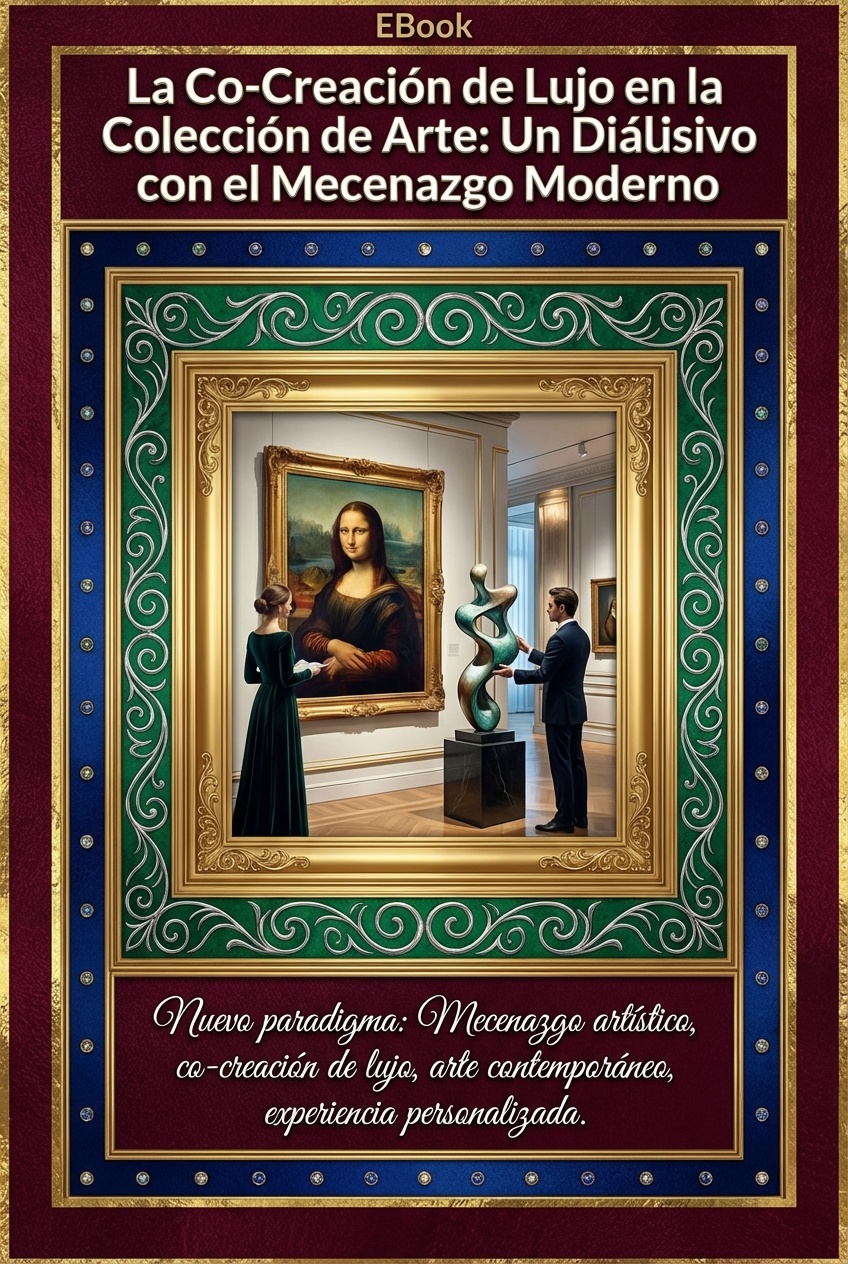
Today, while the traditional structures of patronage have evolved, the desire for personalized artwork remains profoundly strong. The modern collector isn’t necessarily seeking to replicate the grandeur of past eras, but rather to forge a unique connection with art that resonates on a deeply personal level. This is where the concept of co-creation emerges—a fascinating intersection of historical precedent and contemporary demand. It's about moving beyond simply acquiring an existing piece to actively participating in its creation, shaping it according to one’s own aesthetic sensibilities.
Co-Creation Defined: The Collector as Active Participant in the Artmaking Process
Co-creation, in the context of a business, refers to a product or service design process in which input from consumers plays a central role from beginning to end. Less specifically, the term is also used for any way in which a business allows consume...
The term “co-creation,” originating in business contexts, describes a product design process where consumers play a central role from inception to completion. In the realm of fine art, this translates into a collaborative partnership—a nuanced interplay between collector and artist. It’s a departure from the passive consumption model; instead of selecting from pre-existing options, collectors become active agents in defining the artwork's very essence. This isn’t merely about choosing colors or dimensions; it’s about engaging with the artistic process itself, contributing ideas, providing feedback, and shaping the narrative that unfolds on the canvas.
The core tenet of co-creation is shared ownership. Collectors aren’t simply purchasing a finished product; they are investing in an experience—a journey of discovery and refinement. This approach fosters a deeper connection to the artwork, imbuing it with personal meaning and significance. It's about understanding the artist’s techniques, appreciating their skill, and collaborating to achieve a vision that transcends mere replication. The result is a piece that isn’t just beautiful—it’s a reflection of the collector’s own aesthetic journey.
Refinement & Dialogue: Communicating Your Vision with Professional Artists
Successful co-creation hinges on clear and effective communication. It's not enough to simply request changes; articulating *why* you desire those changes is paramount. Instead of stating “make the sky bluer,” explaining the desired mood—a sense of tranquility, perhaps, or a dramatic storm brewing—allows the artist to interpret your intention more effectively. Providing detailed references—images that capture the desired style, color palettes that evoke specific emotions—is also crucial.
A skilled art advisor can act as an invaluable intermediary, bridging potential communication gaps and ensuring that technical requests are translated into artistic possibilities. They possess a deep understanding of painting techniques and can offer guidance on achieving specific effects. Furthermore, embracing constructive feedback—both giving and receiving—is vital for a harmonious collaborative experience. The artist’s expertise should be respected, and their insights valued. It's a delicate balance between asserting your vision and allowing the artist to contribute their own unique perspective.
Materials Matter: Ensuring Longevity and Aesthetic Quality in Reproductions
The quality of materials profoundly impacts the longevity and aesthetic beauty of any artwork—particularly hand-painted reproductions. The choice of canvas, paint pigments, and framing options isn’t merely a matter of preference; it's a critical investment in preserving the piece for generations to come. 100% cotton canvas provides an ideal surface for oil paints, offering superior texture and archival properties. High-quality pigments ensure vibrant colors that resist fading over time, maintaining their brilliance for decades.
Framing options should complement the artwork’s style—classic wooden frames for traditional pieces, modern metal frames for contemporary works. Consider the overall aesthetic you wish to achieve; a carefully chosen frame can enhance the painting's impact and protect it from damage. The subtle nuances of canvas wrap styles—WhiteWrap offering a clean, neutral edge, MirrorWrap extending the image around the sides, ExtendedWrap creating a seamless continuation of the artwork—also contribute to the final presentation.
Beyond Decoration: The Philanthropic Dimension of Supporting Living Artists
Customer engagement is a marketing and strategic management concept. Practitioners view it as interactions, "engagements", between a firm and its customers, while academic researchers define it as a psychological state that “occurs by virtue of inter...
Art collecting isn’t solely about personal enjoyment; it's also an opportunity to support artists and contribute to the broader cultural landscape. By commissioning a hand-painted reproduction, you provide direct financial assistance to skilled painters, enabling them to continue their craft and pursue their artistic vision. This patronage fosters creativity and ensures the preservation of traditional techniques—skills that might otherwise be lost.
Supporting living artists can also be viewed as a philanthropic endeavor, contributing to the economic vitality of the arts community. It’s about recognizing the value of human skill and dedication, investing in talent, and fostering an environment where creativity can thrive. The act of commissioning isn't simply acquiring a beautiful object; it’s participating in a larger ecosystem that sustains artistic expression.
The Prestige of Uniqueness: Owning a Work Reflecting Your Individual Taste
Owning a hand-painted reproduction transcends mere decoration—it’s about possessing a unique work of art crafted specifically for you. The meticulous attention to detail, the skill of the artist, and the collaborative process all contribute to its inherent value. This personalization elevates the artwork beyond a mass-produced image, transforming it into a statement of taste and discernment.
It reflects your individual aesthetic sensibilities and your commitment to supporting artistic excellence. The story behind the piece—the dialogue with the artist, the careful selection of materials, the shared vision that unfolded on the canvas—adds another layer of meaning and significance. It’s a conversation starter, a source of pride, and a lasting testament to your appreciation for beauty and craftsmanship.