Understanding Provenance: Tracing an Artwork's History & Authenticity
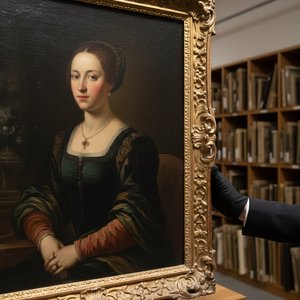
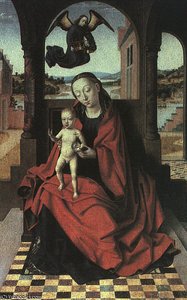 The virgin and child, oil on panel, museo
Admire 'The Virgin and Child' by Petrus Christus (1460). A masterpiece of Early Netherlandish art featuring innovative perspective & exquisite detail. Explore this iconic painting today.
The allure of a painting extends far beyond the canvas itself; it resides within its story, its journey through time and hands – what we call provenance. To truly appreciate an artwork is to understand not just *what* it depicts, but *who* cherished it before us, the environments it graced, and the historical currents that shaped its existence. A robust provenance isn’t merely a formality; it's a testament to authenticity, bolstering confidence in an acquisition and often significantly enhancing value. Before the advent of meticulous record-keeping, establishing provenance could be a detective’s work, piecing together clues from exhibition catalogs, old letters, family histories, and even stylistic analysis. Early collectors, particularly those dealing with Old Masters, relied heavily on ‘ownership marks’ – subtle signatures or coats of arms incorporated into the painting itself, or documented in estate inventories. Today, digital databases and art historical scholarship have streamlined this process, yet a discerning eye remains crucial. Gaps in provenance should raise questions, prompting further investigation. A clear chain of ownership, ideally stretching back to the artist's studio or an early, recognized collector, is the gold standard. The thrill of uncovering a painting’s past adds another layer of richness to the experience, connecting you directly to its heritage.
Decoding Artistic Technique: Identifying Skill, Style, and Mastery
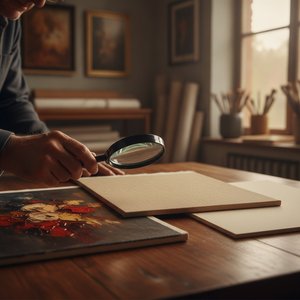
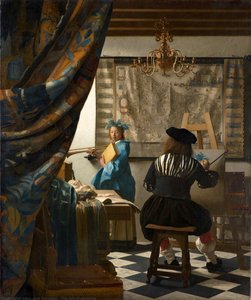 The Art of painting
Beyond the narrative, the very *making* of a painting speaks volumes about the artist's skill and intent. Observe closely – not just the overall impression, but the minute details that reveal mastery. Consider the brushwork: is it fluid and expressive, like the swirling impasto of Van Gogh, or meticulously controlled, as seen in the refined portraits of Ingres? The application of paint isn’t merely a technical exercise; it's an extension of the artist’s personality, their emotional state, and their unique vision. Examine the composition – how elements are arranged within the frame to create balance, harmony, and visual interest. A skilled artist understands principles of perspective, light, and shadow, using them to create depth and realism (or deliberately subverting them for expressive effect). For prints, the quality of line work is paramount. Etchings, with their precise incisions into metal plates, demand a steady hand and an understanding of tonal variation. Lithographs showcase subtle gradations achieved through chemical processes. Look for evidence of hand-working – variations in ink density or texture that indicate a human touch, rather than mechanical reproduction. A true master leaves an indelible mark on their work, a signature style that transcends mere imitation.
The Importance of Archival Quality: Materials for Longevity & Value
An artwork is not simply meant to be admired in the present; it’s intended to endure, to resonate with future generations. This longevity hinges upon the quality of materials used in its creation. Linen canvas, prized for its strength and durability, remains the preferred support for oil paintings. Pigments – the very essence of color – must be lightfast, resistant to fading and discoloration over time. Early artists often employed natural pigments derived from minerals and plants, but their stability varied considerably. Modern archival inks, formulated with synthetic pigments, offer superior resistance to environmental factors. Acid-free paper is essential for prints, preventing deterioration and yellowing. Framing plays a critical role – choose acid-free mats and UV-filtering glass to protect the artwork from harmful light and pollutants. The seemingly invisible choices of materials have profound consequences; non-archival components can lead to irreversible damage, diminishing both the aesthetic appeal and financial value of a piece. Investing in archival quality is not an extravagance; it’s a commitment to preserving your investment for years to come.
Printmaking Processes Demystified: A Guide to Lithography, Etching, Woodcut & Giclée
Printmaking is the process of creating artworks by printing, normally on paper, but also on fabric, wood, metal, and other surfaces. "Traditional printmaking" normally covers only the process of creating prints using a hand processed technique, rathe...
The world of prints encompasses a diverse range of techniques, each possessing unique characteristics and aesthetic qualities. Lithography, born in the late 18th century, relies on the principle that oil and water repel each other. An image is drawn onto a stone or metal plate with a greasy crayon, then treated chemically to create areas that accept ink. Etching involves incising lines into a metal plate with acid, creating sharp, detailed impressions – Rembrandt’s masterful etchings are prime examples. Woodcut, one of the oldest printmaking methods, utilizes carved wood blocks to transfer an image onto paper, resulting in bold, graphic prints often associated with Japanese Ukiyo-e tradition. More recently, giclée printing has emerged as a dominant force, employing high-resolution inkjet technology for exceptional color accuracy and detail. Unlike traditional techniques that rely on physical pressure, giclée utilizes microscopic jets of ink to create seamless gradations and vibrant hues. While giclée prints can achieve remarkable fidelity, it’s crucial to ensure they are produced with archival inks on premium paper to guarantee longevity. Understanding these processes empowers you to assess the quality, authenticity, and potential value of a print.
Preservation Essentials: Protecting Your Investment Through Proper Storage & Display
Once acquired, an artwork requires diligent care to maintain its integrity. The most insidious enemy is light – particularly ultraviolet (UV) radiation, which causes fading and discoloration. Avoid exposing paintings to direct sunlight or harsh artificial lighting. Maintain a stable temperature and humidity level; fluctuations can cause cracking, warping, and mold growth. Ideally, aim for around 70°F (21°C) and 50% relative humidity. Protect artworks from dust, smoke, and pollutants – these abrasive particles can accumulate on the surface, obscuring details and accelerating deterioration. When displaying paintings, ensure they are securely mounted and spaced adequately to prevent damage. For prints, use acid-free mats and UV-filtering glass in framing. Regularly inspect your collection for signs of deterioration – such as cracking, fading, or mold growth – and address any issues promptly. A simple dusting with a soft brush can remove surface debris, but avoid harsh chemicals or abrasive cleaners. Proper storage is equally important; keep artworks wrapped in acid-free paper and stored in a cool, dry environment.
Navigating the Art Market: Assessing Value and Building a Trusted Network
The art market can seem daunting, filled with complex terminology and fluctuating prices. Assessing value requires a multifaceted approach. Researching the artist’s auction history – past sales provide valuable benchmarks – is a crucial first step. Gallery representation also offers insights into their current standing within the art world. However, price alone doesn't tell the whole story; condition, provenance, and rarity all play significant roles. Demand for an artist’s work is subject to trends and tastes, so staying informed about market dynamics is essential. Cultivating relationships with reputable galleries, auction houses, and art advisors can provide invaluable guidance. A trusted advisor can offer personalized assistance with collection management, valuation, and acquisition. Don't hesitate to seek expert opinions – a professional appraisal can confirm authenticity and provide an accurate assessment of value. Building a network within the art community will not only enhance your understanding but also open doors to exclusive opportunities and informed investment decisions.