Introduction: A Year on the Cusp – Setting the Stage for Modern Art
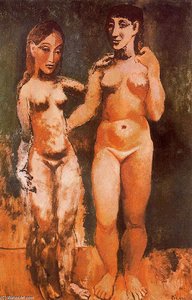
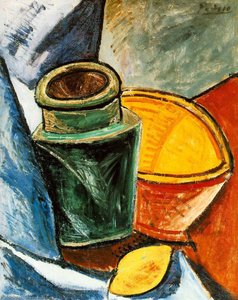
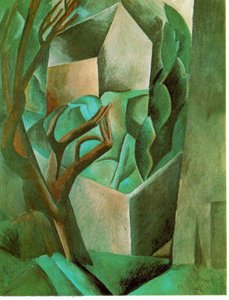
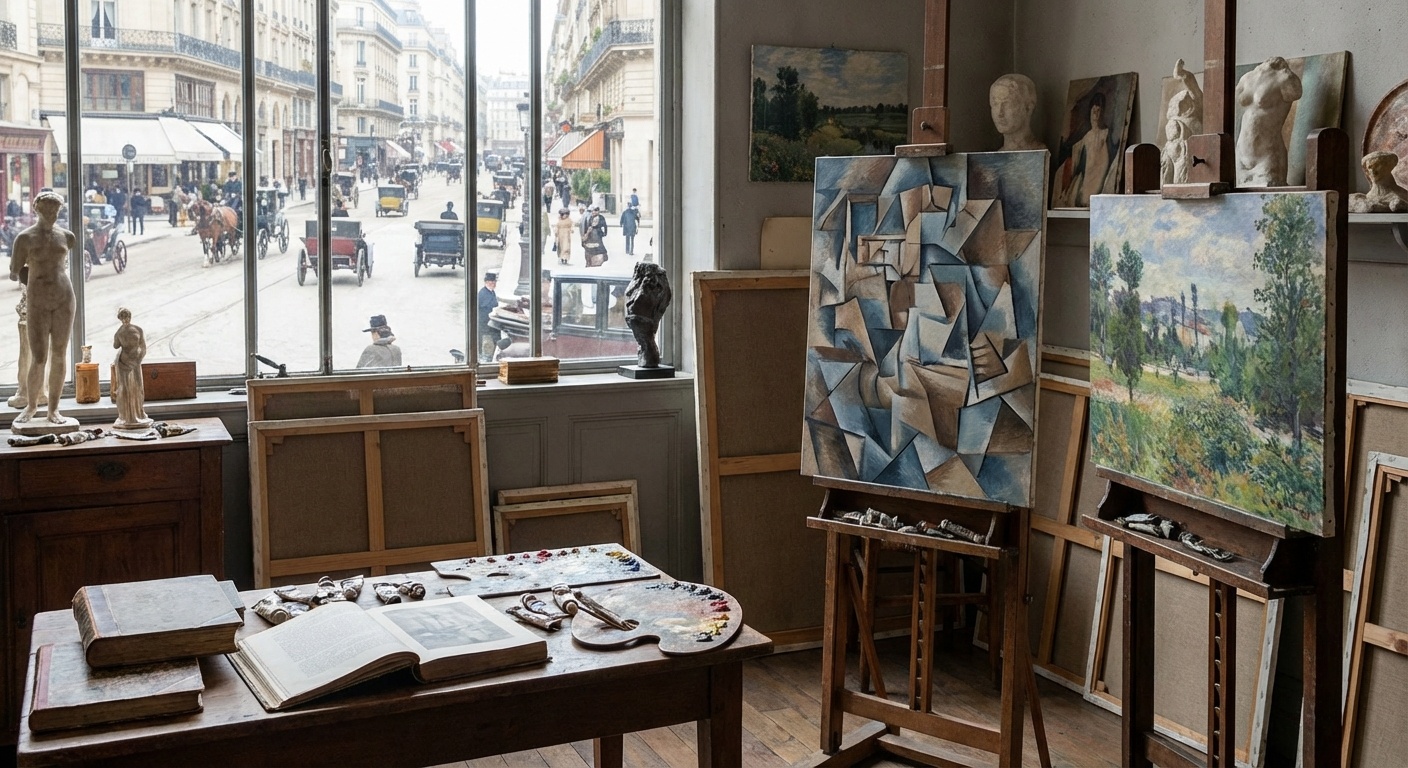
Proto-Cubism (also referred to as Protocubism, Early Cubism, and Pre-Cubism or Précubisme) is an intermediary transition phase in the history of art chronologically extending from 1906 to 1910. Evidence suggests that the production of proto-Cubist pa...
The year 1907 stands as a singular demarcation point in the narrative of modern art, a fragile threshold between the representational traditions of the past and the radical experimentation that would define the coming decades. It wasn’t a sudden rupture, but rather a confluence of shifting sensibilities, a quiet revolution brewing beneath the surface of established artistic norms. For collectors today, understanding 1907 is not merely about acquiring works from a specific date; it's about possessing pieces that embody the very genesis of movements that reshaped our visual world. The air was thick with anticipation, a sense that the familiar rules were no longer sufficient to capture the complexities of modern experience. This period witnessed artists grappling with new perspectives, challenging established notions of form, space, and color – a struggle that would ultimately birth Cubism and irrevocably alter the course of art history.
From Fauvism’s Bold Hues to Proto-Cubism’s Fragmented Forms
Fauvism ( FOH-viz-əm) is a style of painting and an art movement that emerged in France at the beginning of the 20th century. It was the style of les Fauves (French pronunciation: [le fov], the wild beasts), a group of modern artists whose works emph...
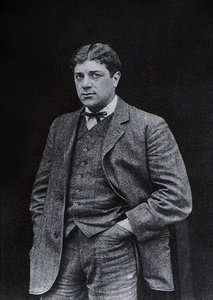
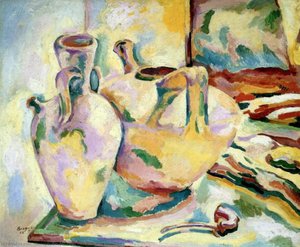
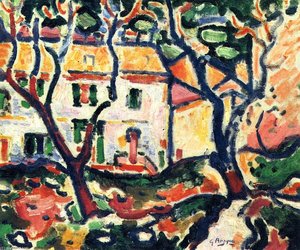
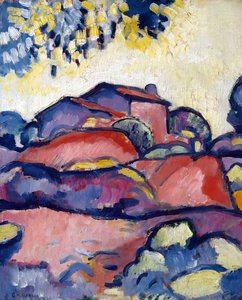
The early years of the 20th century were dominated by the vibrant, often shocking palette of Fauvism. Artists like Henri Matisse and André Derain unleashed a torrent of pure color onto their canvases, prioritizing emotional expression over realistic depiction. However, even within this explosion of chromatic freedom, a subtle dissatisfaction began to emerge. The sheer intensity of Fauvism, while exhilarating, felt somewhat limited in its ability to convey deeper structural concerns. This is where the seeds of Proto-Cubism were sown. Artists like Georges Braque, initially captivated by Matisse’s boldness – as evidenced in works such as The House Behind the Trees (1906) – began to explore a different path, one that emphasized geometric simplification and a more analytical approach to form. Braque's work from this period demonstrates a deliberate move away from purely decorative color towards a fractured representation of space, foreshadowing the radical deconstruction that would characterize Cubism. The transition wasn’t abrupt; it was a gradual process of distillation, a stripping away of non-essential elements in pursuit of an underlying structural logic.
The Influence of Cézanne and Non-Western Art: Breaking with Tradition
Central to this shift was the profound influence of Paul Cézanne. His late paintings, with their fragmented planes and deliberate distortions of perspective, offered a compelling alternative to traditional academic techniques. Cézanne’s famous dictum – “Treat nature in terms of the cylinder, the sphere, the cone” – became a mantra for artists seeking to understand the underlying geometry of the physical world. But the impetus didn't stop there. A growing fascination with non-Western art—particularly African sculpture and Iberian artifacts—provided another crucial catalyst. These forms, often characterized by their simplified shapes and powerful emotional resonance, challenged Western notions of beauty and representation. The masks and sculptures encountered in ethnographic museums weren’t simply exotic curiosities; they offered a new vocabulary for expressing form and emotion, a way to break free from the constraints of classical tradition. Picasso's engagement with African art is particularly well-documented, profoundly impacting his development of Cubism.
Key Figures of 1907: Picasso, Braque, and the Avant-Garde Circle
 Wikipedia: Avant-garde
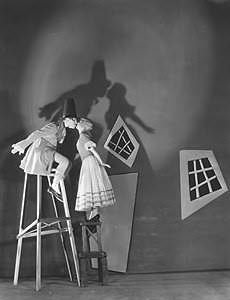
In the arts and literature, the term avant-garde (from French meaning 'advance guard' or 'vanguard') identifies an experimental genre or work of art, and the artist who created it, which usually is aesthetically innovative, whilst initially being ide...
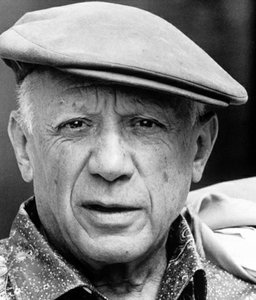
While many artists contributed to this burgeoning movement, Pablo Picasso and Georges Braque stand as its central figures. Their collaborative exploration during 1907 and the years immediately following was a period of intense experimentation and mutual influence. Working in close proximity, they challenged each other’s assumptions, pushing the boundaries of representation further and further. Les Demoiselles d'Avignon, painted by Picasso in 1907, is often cited as a pivotal moment—a jarring departure from conventional painting that incorporated elements of Iberian sculpture and a radical distortion of the human form. This work wasn’t immediately embraced; it was met with confusion and even hostility. However, it served as a powerful catalyst for change, inspiring other artists to question established norms. Surrounding these two were figures like Juan Gris, Jean Metzinger, Albert Gleizes, and Fernand Léger, each contributing their unique perspective to the evolving language of Proto-Cubism. The cafés and studios of Montmartre became hotbeds of intellectual debate, where ideas were exchanged and new artistic possibilities explored.
‘Du Cubisme’: Metzinger and the Theoretical Foundations of a New Movement
The emergence of Cubism wasn’t solely a visual phenomenon; it was accompanied by a growing body of theoretical writing that sought to articulate its underlying principles. Jean Metzinger, in collaboration with Albert Gleizes, published Du Cubisme in 1912, a landmark text that provided the first comprehensive explanation of the movement’s aims and techniques. This book wasn't simply a descriptive account; it was an attempt to legitimize Cubism as a serious intellectual endeavor, grounding it in scientific principles and philosophical concepts. Metzinger argued that Cubism wasn’t about arbitrarily distorting reality but rather about representing objects from multiple perspectives simultaneously, capturing their essential structure and underlying geometry. The publication of Du Cubisme helped to solidify the movement's reputation and attract a wider audience, paving the way for its eventual acceptance into the mainstream art world.
Collecting 1907: Identifying Significant Works and Emerging Trends
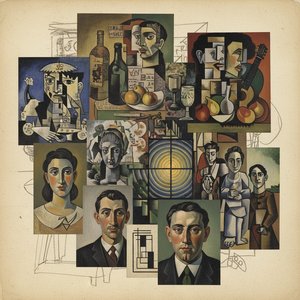
For today’s collector, acquiring works from 1907 represents an opportunity to own pieces that stand at the very foundation of modern art. Identifying significant examples requires a discerning eye and a deep understanding of the period's stylistic nuances. Look for paintings that demonstrate a clear departure from traditional representation—works that exhibit geometric simplification, fragmented forms, and a reduced color palette. Artists like Braque, Picasso, and Metzinger are naturally highly sought after, but exploring the work of lesser-known figures can also yield rewarding discoveries. The key is to focus on pieces that embody the spirit of experimentation and innovation that defined this pivotal year. Beyond specific artists, consider the broader context—the influence of Cézanne, African art, and the intellectual ferment of the avant-garde circle. Investing in 1907 isn’t simply about acquiring beautiful objects; it's about owning a piece of history, a tangible link to the birth of modernism. At ArtsDot, we offer meticulously crafted reproductions of these masterpieces, allowing you to experience the transformative power of this era firsthand and build a collection that reflects your appreciation for art’s enduring legacy.