Introduction: The Humble Sketch – A Foundation of Artistic Vision
The sketch, often perceived as a preliminary step—a fleeting thought captured on paper before the ‘real’ work begins—holds a far more significant place in the history of art than is commonly acknowledged. It represents not merely preparation, but a vital form of artistic exploration, a direct conduit to the artist's mind, and a testament to their evolving vision. Before the advent of photography, sketches were essential for recording observations, developing compositions, and mastering anatomy. But even after the camera’s arrival, artists continued to sketch, driven not by necessity, but by an intrinsic need to understand form, light, and emotion through direct engagement with their subject matter. The seemingly simple act of drawing becomes a powerful dialogue between artist, material, and world—a conversation that reveals as much about the creator as it does about the creation.
From Preparatory Studies to Finished Works: Sketches in Renaissance Art
During the Renaissance, sketching took on a new level of importance, inextricably linked with the humanist pursuit of knowledge and accurate representation. Artists like Leonardo da Vinci didn’t simply sketch to plan paintings; they sketched as a means of scientific inquiry. His anatomical studies, meticulously rendered drawings of muscles, bones, and organs, were born from dissections—a radical act at the time—and demonstrate an unparalleled dedication to understanding the human form. These weren't merely tools for artistic success but expressions of intellectual curiosity. Similarly, Raphael’s numerous preparatory sketches for frescoes in the Vatican reveal a complex process of refinement, where initial ideas were explored through countless variations before arriving at the final composition. The spolvero technique—pouncing powdered pigment through pricked holes in the sketch onto the wall—highlights how integral these drawings were to the execution of large-scale works. The sketches themselves weren’t always considered ‘art’ in the modern sense, but they embodied the core principles of Renaissance artistry: observation, proportion, and perspective.
Impressionism's Embrace of the Ephemeral: Capturing Light and Movement Through Rapid Sketching
Impressionism was a 19th-century art movement characterized by visible brush strokes, open composition, emphasis on accurate depiction of light in its changing qualities (often accentuating the effects of the passage of time), ordinary subject matter...
As art moved into the 19th century, with the rise of Impressionism, the nature of sketching underwent another transformation. The focus shifted from meticulous detail to capturing fleeting moments—the play of light on water, the bustle of city life, the ephemeral qualities of atmosphere. Artists like Claude Monet and Pierre-Auguste Renoir abandoned the studio in favor of plein air painting, working directly before their subjects. This necessitated a rapid sketching style, prioritizing quick impressions over precise renderings. Visible brushstrokes became hallmarks of the movement, reflecting the immediacy of observation and the artist’s attempt to record the sensation of light as it changed. Sketches weren't intended to be polished masterpieces but rather studies in color and atmosphere—fragments of experience captured with remarkable spontaneity. The emphasis wasn’t on *what* was being sketched, but *how* it was perceived.
Van Gogh’s Intense Exploration of Form: Charcoal and Pencil as Vehicles for Emotion
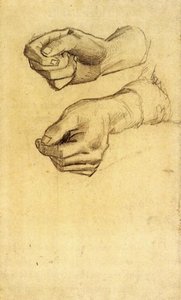 Two Hands
Exquisite pencil sketch by Van Gogh of two hands – a detailed study in form & texture. Explore this realistic gesture drawing reflecting anatomical precision & quiet observation.
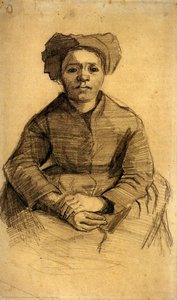
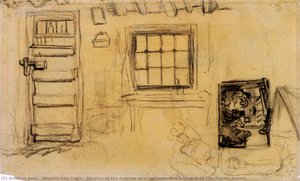
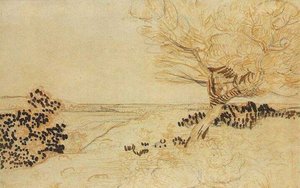
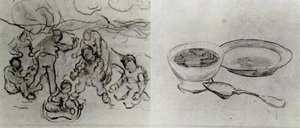
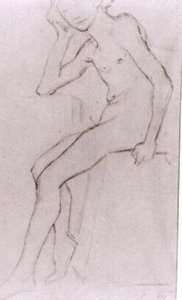
Vincent van Gogh took sketching to a profoundly personal level. His drawings—often executed in charcoal or pencil—were not merely preparatory studies for paintings; they were intensely expressive works in their own right. Consider Two Hands, an exquisite example of his detailed observation and mastery of texture. The study isn’t simply about anatomical accuracy, but about conveying the weight, age, and character of the hands themselves. Similarly, Sheet with Figures and Hands reveals a captivating exploration of human form, serving as a crucial step in the development of his iconic painting, *The Potato Eaters*. Van Gogh’s sketches often reveal a restless energy—a sense of urgency conveyed through bold lines and dynamic compositions. He used sketching to grapple with complex emotions, transforming ordinary subjects into powerful statements about human existence. Figure study relating to 'The Shepherdess', showcases his loose charcoal technique capturing the essence of rural life with dynamic lines and impressionistic realism.
The 20th Century Shift: Guston and Beyond – Sketches as Independent Art Forms
Philip Guston's drawings shifted from abstract to figurative, using bold, crude, cartoon-like forms, and were a vital influence on later artists.
The 20th century witnessed a radical re-evaluation of the sketch’s status. Artists began to embrace abstraction, challenging traditional notions of representation. Philip Guston, initially known for his abstract expressionist paintings, later returned to figurative work—but his sketches played a pivotal role in this transition. His drawings shifted from purely formal explorations to bold, crude, cartoon-like forms that reflected a growing disillusionment with the art world and society at large. These weren’t preparatory studies but independent works of art, imbued with personal symbolism and emotional intensity. Guston's sketches influenced generations of artists by demonstrating the power of raw expression and challenging conventional aesthetic norms. The lines between sketch, painting, and sculpture became increasingly blurred, as artists explored new ways to convey meaning through direct mark-making.
Conclusion: The Enduring Legacy of the Sketch – A Timeless Artistic Practice
From the meticulous anatomical studies of the Renaissance to the expressive drawings of Van Gogh and the provocative sketches of Guston, the sketch has consistently served as a vital tool for artistic exploration. It is a testament to the artist’s ongoing dialogue with their subject matter—a process of discovery that reveals not only technical skill but also emotional depth and intellectual curiosity. The enduring legacy of the sketch lies in its ability to capture fleeting moments, explore complex ideas, and provide a direct glimpse into the creative mind. At ArtsDot, we celebrate this rich tradition by offering high-quality reproductions of sketches from across art history, allowing you to connect with these foundational works and appreciate the artistry behind them.