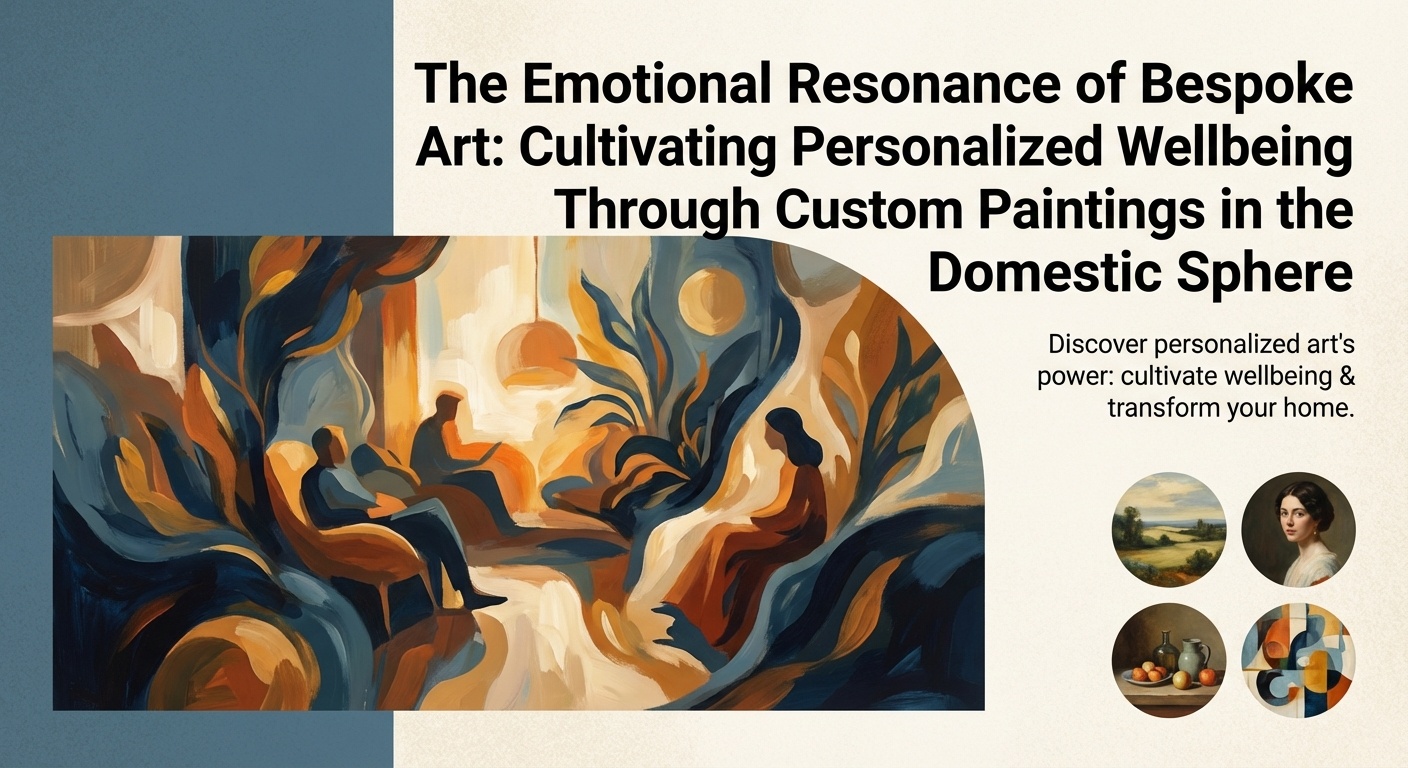
The Psychology of Personalized Art: Connecting with Your Inner Landscape
For centuries, art has served as a mirror to the human soul, reflecting our deepest emotions and aspirations. While universally acclaimed masterpieces hold enduring power, there exists a unique intimacy in artwork deliberately chosen – or even commissioned – to resonate with one’s own experiences, values, and emotional landscape. This isn't simply about acquiring an object; it’s about forging a connection with a visual narrative that speaks directly to the individual. The desire for self-expression is fundamental, and personalized art offers a profound way to articulate what words often cannot. It taps into something primal within us – the need to create, to remember, to *feel* seen and understood through the language of color, form, and texture.
The selection of subject matter becomes paramount in this pursuit. A beloved landscape evokes cherished memories, perhaps a place of solace or inspiration. A portrait, whether of a loved one or an idealized figure, captures the essence of connection and identity. Even abstract compositions, seemingly devoid of concrete representation, can serve as powerful vehicles for emotional exploration, allowing viewers to project their own feelings and interpretations onto the canvas. The style in which the painting is rendered further amplifies this effect; the vibrant brushstrokes of Impressionism might convey optimism and energy, while a more subdued Realist technique could evoke nostalgia or introspection. Our brains are inherently wired to respond emotionally to visual stimuli, and personalized paintings capitalize on this innate connection, creating an experience that is deeply personal and profoundly moving.
From Masterpieces to Memories: The Power of Subject Matter in Emotional Resonance
Consider the enduring appeal of portraiture throughout history. From the regal depictions of Renaissance nobility to the intimate studies of Rembrandt, portraits have always been more than mere likenesses; they are windows into the soul. But what happens when that portrait is *you*, or someone you deeply cherish? The act of commissioning a portrait transforms it from an objective representation into a subjective celebration of identity and connection. Similarly, landscapes hold a unique power to transport us back to specific moments in time – a childhood vacation, a romantic getaway, a place of spiritual awakening. These aren’t just scenes; they are emotional touchstones, imbued with personal significance.
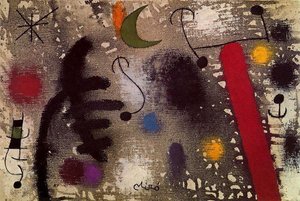
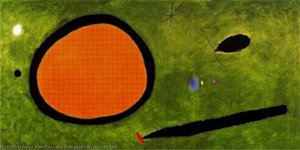
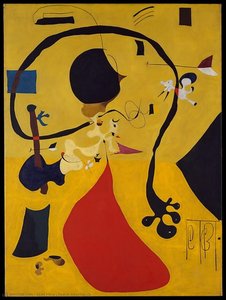
Even abstract art, often perceived as intellectual or challenging, can be profoundly resonant on an emotional level. Artists like Wassily Kandinsky believed that color and form could directly evoke emotions, bypassing the need for representational imagery. A swirling composition of blues and greens might convey tranquility and peace, while a bold arrangement of reds and oranges could inspire energy and passion. The beauty lies in the ambiguity – allowing viewers to project their own feelings and interpretations onto the canvas, creating a deeply personal connection with the artwork.
Color & Mood: Harnessing the Psychological Impact of Palette and Hue
The use of color psychology plays a significant role in evoking specific emotional responses within an artwork. Artists consciously manipulate palettes to create desired effects. The symbolic weight of blue in Renaissance paintings representing spirituality, the bold hues employed by Fauvist masters expressing pure joy, and the somber tones used to convey melancholy all demonstrate the power of visual language to communicate emotion. Understanding these associations allows for a more intentional selection of artwork that aligns with one’s emotional goals. For example, warmer colors like reds and oranges can stimulate energy and passion, while cooler colors like blues and greens promote calmness and serenity.
This isn't merely about aesthetic preference; it’s rooted in our neurological response to color. Studies have shown that certain hues can actually lower heart rate and blood pressure, promoting relaxation and wellbeing. By carefully considering the psychological impact of color, individuals can curate spaces that foster specific moods and atmospheres.
Art as Therapy: Unleashing Creativity for Wellbeing and Self-Discovery
Beyond simply *viewing* emotionally resonant artwork, the act of *creating* art itself can be profoundly therapeutic. Engaging in creative activities – whether painting, sculpting, or drawing – provides a powerful outlet for emotions that may be difficult to articulate verbally. The process of translating internal states into visual form can be cathartic, allowing individuals to release pent-up tension and gain clarity. This principle forms the foundation of art therapy, where artistic expression is utilized as a means of healing and self-discovery.
Art therapy demonstrates that the creative process itself is often more important than the final product, offering a safe and non-judgmental space for emotional exploration. It’s about tapping into your subconscious, allowing feelings to emerge organically through color, form, and texture. Even without formal training, anyone can experience the therapeutic benefits of art – simply by picking up a brush and letting their emotions guide them.
Transforming Spaces: How Art Shapes Atmosphere and Domestic Harmony
The benefits of art extend beyond individual expression; it can also profoundly impact the atmosphere of a domestic space. Artwork acts as an 'emotional anchor,' shaping how inhabitants feel within their environment. Carefully chosen pieces can transform a room from merely functional to inviting and restorative. The placement of artwork is equally important, influencing sightlines and creating focal points that draw the eye and evoke specific emotions. A strategically placed landscape painting might offer a sense of tranquility, while an abstract composition could stimulate conversation and contemplation.
Consider how light interacts with different artworks – a vibrant oil painting will cast a warm glow on surrounding surfaces, while a muted watercolor might create a more subtle and calming effect. The overall goal is to create a harmonious environment that nurtures emotional wellbeing and reflects one’s personal style.
Curating Your Legacy: Personalized Art as a Reflection of Values and Identity
Personalized art isn’t just about decorating your home; it's about creating a visual representation of your life story, your values, and your aspirations. Artwork often serves as a tangible link to cherished experiences and loved ones. A painting depicting a favorite vacation spot can evoke feelings of joy and nostalgia, while a portrait of a family member provides a constant reminder of connection and belonging. Commissioning a custom piece based on a personal photograph allows for the creation of a unique heirloom that preserves precious memories for generations to come.
Ultimately, personalized art transcends mere decoration; it becomes a repository of emotional history, enriching the domestic space with layers of meaning. It’s an investment in your wellbeing, a celebration of your identity, and a legacy you can share with loved ones for years to come. At ArtsDot.com, we believe that everyone deserves to experience the transformative power of art – whether through our exquisite reproductions or our bespoke commissioning services. Let us help you create a space that truly reflects *you*.