The Ancient Roots: Nudity in Classical Art & Mythology
The nude, as a form of visual art that focuses on the unclothed human figure, is an enduring tradition in Western art. It was a preoccupation of Ancient Greek art, and after a semi-dormant period in the Middle Ages returned to a central position with...
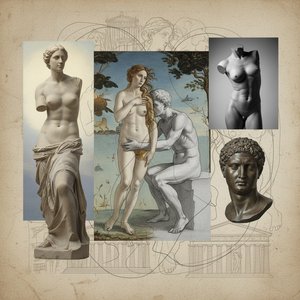
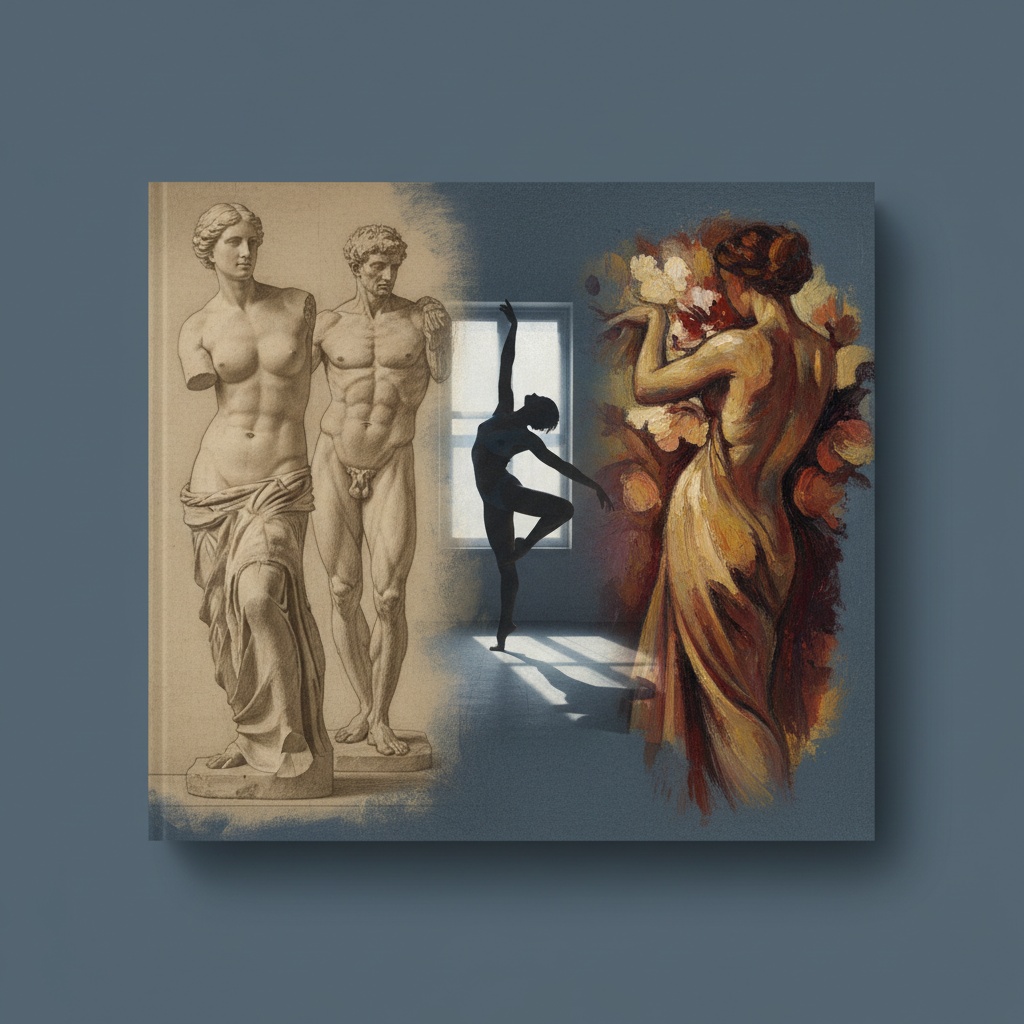
The human form, unadorned, has captivated artists for millennia. Its story isn’t simply one of aesthetic appreciation; it's interwoven with the very foundations of civilization. From the earliest Paleolithic Venus figurines – symbols of fertility and abundance – to the sculpted perfection of ancient Greece, nudity wasn’t merely depicted, but *revered*. These early representations weren’t about titillation, but a profound connection to life-giving forces. The Greeks elevated this reverence into an art form, believing the ideal human body embodied divine beauty and harmony. Sculptors like Phidias and Praxiteles didn't simply replicate anatomy; they sought to capture arete – excellence in all things – through perfectly proportioned figures. Gods and goddesses were frequently portrayed nude or semi-nude, not as scandalous acts but as expressions of their power and inherent perfection. The emphasis wasn’t on the individual, but on a universal ideal, a timeless standard against which beauty was measured. This classical tradition established a visual language that would resonate through centuries, influencing countless artists and shaping our very perception of the human form.
Renaissance Rebirth: Rediscovering the Ideal Human Form
 Timeless Masterpieces: 10 Classic Artworks for Elegant Homes |
Explore 10 timeless masterpieces – from Van Gogh to Rembrandt – that define classic art & evoke enduring moods. Discover art history, techniques & find museum-quality reproductions for your home at . Explore the full collection online!
Following the relative suppression of overt nudity during the Middle Ages, the Renaissance witnessed a glorious rediscovery of classical ideals. Artists like Botticelli, in his iconic “Birth of Venus,” didn’t simply copy ancient forms; they infused them with a new sense of grace and lyricism. The rediscovery of Roman texts and sculptures fueled a renewed interest in anatomy and proportion. Leonardo da Vinci's meticulous anatomical studies weren’t just scientific endeavors; they were integral to his artistic vision, allowing him to portray the human body with unprecedented realism and understanding. Michelangelo’s “David,” perhaps the most famous sculpture in history, embodies this Renaissance spirit – a celebration of human potential and divine creation. The nude figure wasn't merely a subject but a vehicle for exploring philosophical ideas about humanity’s place in the universe. This period saw a shift from symbolic representation to a more individualized portrayal, though still rooted in classical principles of beauty and harmony.
From Academic Realism to Modern Expression: Shifting Perspectives on the Nude
 Realism's Revolution: 10 Masterpieces That Changed Art |
Explore 10 defining Realism masterpieces – Courbet, Millet & more. Discover the stories behind these iconic paintings and their impact on art history. Find museum-quality reproductions for your home at !
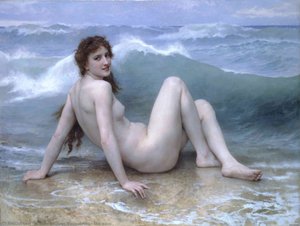
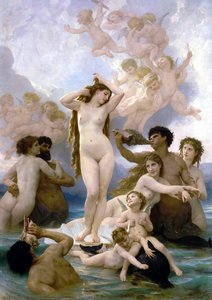
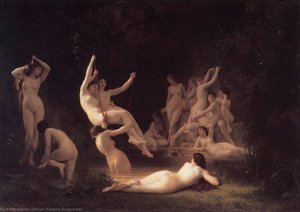
The 19th century witnessed the rise of academic realism, exemplified by artists like William-Adolphe Bouguereau. His paintings, such as “The Wave,” showcase a meticulous attention to detail and idealized beauty, often depicting mythological scenes with flawlessly rendered nude figures. However, this tradition began to be challenged by emerging modern movements. Artists started questioning established norms and exploring new ways of representing the human form. Impressionism, while not solely focused on nudity, paved the way for greater freedom in color and brushwork, influencing later artists to move away from strict realism. The focus shifted from idealized perfection to capturing fleeting moments and subjective experiences. This transition wasn’t immediate; many artists continued to work within academic traditions even as others began to break free.
Surrealist Visions and Beyond: Challenging Conventions of Representation
 Paul Delvaux
Explore the dreamlike world of Paul Delvaux (1897-1994), a Belgian Surrealist painter known for his enigmatic scenes, classical nudes & haunting landscapes. Discover his unique artistic vision.
The 20th century saw a radical departure from traditional representations of the nude. Surrealism, with its exploration of the subconscious mind, offered artists like Paul Delvaux a platform to create dreamlike scenes featuring fragmented bodies and unsettling juxtapositions. Delvaux’s enigmatic paintings challenged conventional notions of beauty and sexuality, delving into the realm of psychological complexity. Artists began experimenting with abstraction, distortion, and symbolism, pushing the boundaries of what was considered acceptable or even recognizable. Figures were no longer simply representations of physical form but vessels for exploring inner emotions, anxieties, and societal tensions. This period saw a proliferation of styles – from Cubism’s fragmented forms to Expressionism’s raw emotional intensity – each offering a unique perspective on the human body.
The Nude as Symbolism: Fertility, Desire, and Social Commentary
 Philip Pearlstein
Philip Pearlstein (1924-2022) was a pivotal American realist painter renowned for his modernist nudes & revival of figurative art. Explore his iconic studio scenes, clinical style, and influence on 20th/21st century painting.
Throughout art history, the nude has served as a powerful symbol. Early Venus figurines represented fertility and abundance, while classical nudes embodied divine perfection. The Renaissance saw the nude used to explore philosophical ideas about humanity’s place in the universe. In later periods, artists employed nudity to address themes of desire, power, vulnerability, and social commentary. Philip Pearlstein, for example, revitalized figurative art with his modernist nudes, often depicting studio scenes with a clinical detachment that challenged traditional notions of beauty and sensuality. His work wasn’t about idealized forms but about the raw physicality of the human body. The nude can be both celebratory and critical, reflecting societal values and challenging established norms. The meaning is rarely straightforward; it's often layered with symbolism and open to interpretation.
Collecting the Nude Today: Finding Beauty & Meaning in Timeless Art
Today, collecting art featuring the nude offers a unique opportunity to connect with centuries of artistic tradition. From iconic masterpieces by Bouguereau and Modigliani to contemporary works that challenge conventional boundaries, there’s a vast range of styles and perspectives to explore. Whether you're drawn to the classical elegance of Renaissance nudes or the psychological complexity of Surrealist visions, finding the right piece is about more than just aesthetic appeal; it’s about connecting with the artist’s vision and appreciating the rich history behind the work. At ArtsDot, we offer museum-quality reproductions of these timeless masterpieces, allowing you to bring the beauty and meaning of art into your home. Explore our extensive collection and discover a piece that resonates with your personal taste and appreciation for the enduring allure of the human form. We provide not just images, but access to a legacy – a conversation spanning millennia about beauty, desire, and the very essence of what it means to be human.