The Ancient Roots of Bronze Casting: From Ritual Objects to Early Art
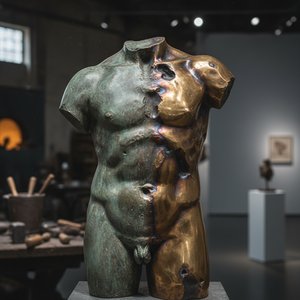 The Enduring Legacy of Bronze Sculpture: History, Techniques & Contemporary Interpretations
Explore the rich history & enduring appeal of bronze sculpture. Learn about casting techniques, iconic artists, collecting tips, & contemporary interpretations. Expert insights for discerning art collectors.
The story of bronze sculpture is, fundamentally, the story of human ingenuity – a testament to our enduring desire to capture form and imbue it with meaning. While often associated with classical antiquity, the origins of bronze casting stretch back millennia, predating even the earliest civilizations we readily recognize. The first tentative steps weren’t driven by artistic ambition alone; rather, they were rooted in ritualistic practice and the practical need for tools and weaponry. Archaeological discoveries reveal that as early as 4500 BC, cultures in Bulgaria's Varna Necropolis were crafting gold artifacts using a process remarkably similar to lost-wax casting – a technique demanding both technical skill and an understanding of metallurgy. These weren’t merely functional objects; they were symbols of power, status, and belief, hinting at the nascent artistic impulse that would blossom over centuries.
The Indus Valley Civilization, around 4000 BC, further refined these early methods with copper amulets demonstrating a growing mastery of metalworking. However, it was the advent of tin bronze – an alloy combining copper with tin – that truly revolutionized the process. This combination yielded a material harder and more durable than pure copper, allowing for greater complexity in design and increased longevity. The trade networks established to secure these vital resources—tin deposits being relatively rare—highlighted the cultural significance of bronze itself; it wasn’t simply a medium but a commodity driving interaction and exchange between disparate societies. Early Mesopotamian examples showcase this evolution, with increasingly sophisticated sculptures emerging as symbols of religious devotion and royal authority.
Lost-Wax Casting: A Timeless Technique for Sculptural Precision
 Wikipedia: Lost-wax casting
Lost-wax casting – also called investment casting, precision casting, or cire perdue (French: [siʁ pɛʁdy]; borrowed from French) – is the process by which a duplicate sculpture (often a metal, such as silver, gold, brass, or bronze) is cast from an o...
The lost-wax casting process, or cire perdue as it’s known in French, remains the cornerstone of bronze sculpture creation even today. Its enduring appeal lies in its ability to capture intricate detail and faithfully reproduce an artist's vision. The method, though refined over time, retains its fundamental principles: a model is created (typically in wax), encased in a mold, the wax melted away (“lost”), and molten bronze poured into the resulting void. The process isn’t merely mechanical; it requires a deep understanding of material properties, temperature control, and an almost intuitive feel for the flow of metal.
A crucial step involves creating a network of sprues – wax rods that act as channels for the molten bronze to reach every corner of the mold. These sprues also allow air to escape, preventing imperfections in the final casting. The ceramic shell mould, built up layer by layer around the wax model, is then heated, melting away the wax and leaving a hollow cavity ready to receive the bronze. The subsequent cooling process is equally critical; controlled cooling prevents cracking or distortion. Finally, the mold is broken away, revealing the rough bronze sculpture which undergoes meticulous chasing – a process of removing imperfections and refining details with specialized tools.
Symbolism in Bronze: Exploring Meaning Across Cultures and Eras
Bronze, as a material, carries its own inherent symbolism—strength, permanence, resilience. But beyond these intrinsic qualities, the meaning imbued within bronze sculptures has varied dramatically across cultures and historical periods. In ancient Greece, bronze was favored for depicting gods and heroes, embodying ideals of power, athleticism, and divine perfection. The iconic statues of Zeus and Athena, though largely lost to time, were renowned for their lifelike realism and imposing scale.
Eastern traditions also hold profound significance for bronze sculpture. The Chola empire in Tamil Nadu, India, produced intricate statues of Hindu deities using the lost-wax method, showcasing ornate detailing and a deep spiritual connection. These sculptures weren’t merely aesthetic objects; they were considered embodiments of the gods themselves, integral to religious practice. During the Renaissance, bronze became associated with civic pride and humanist ideals, exemplified by masterpieces like Donatello's David – a celebration of human form and individual potential. The choice of material itself conveyed a message: bronze was reserved for subjects worthy of enduring commemoration.
Iconic Artists & Masterpieces of Bronze Sculpture Throughout History
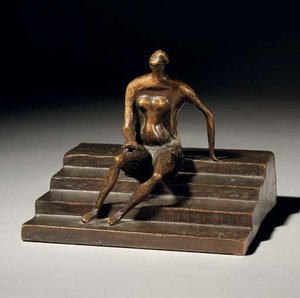
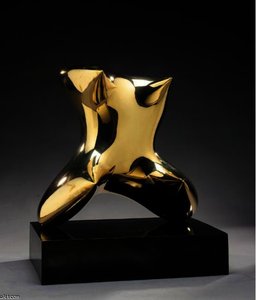 Pointed Torso
Henry Moore’s "Pointed Torso" – a stunning golden bronze sculpture of a seated female figure. Explore its smooth lines, reflective surface & elegant form in this modern masterpiece.
Throughout history, certain artists have elevated bronze sculpture to new heights of artistic expression. Auguste Rodin, perhaps the most celebrated sculptor of the 19th century, masterfully exploited the material’s expressive potential in works like *The Thinker* and *The Kiss*. His sculptures weren't simply representations of form; they captured raw emotion, psychological depth, and a profound sense of human experience. Rodin’s innovative techniques—his use of fragmented forms and textured surfaces—challenged traditional notions of beauty and paved the way for modern sculpture.
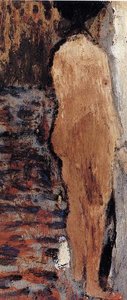
Edgar Degas, renowned primarily as an Impressionist painter, also made significant contributions to bronze sculpture, particularly in his depictions of dancers and women. His *Pregnant Woman* exemplifies his realist style and anatomical detail, capturing a fleeting moment with remarkable sensitivity. Henry Moore, a leading figure of the 20th-century modernist movement, explored abstract forms and organic shapes in sculptures like *Pointed Torso*. Moore’s work often reflects the human body but transcends literal representation, focusing instead on the interplay of form, space, and texture. These artists—and countless others—demonstrate the versatility and enduring power of bronze as a sculptural medium.
Collecting Bronze Sculpture: Considerations for Discerning Investors
For the discerning collector, acquiring bronze sculpture represents not only an aesthetic investment but also a connection to centuries of artistic tradition. Several factors should be considered when building a collection. Provenance—the documented history of ownership—is paramount; establishing authenticity and tracing the sculpture’s lineage adds significant value. The artist's reputation, the rarity of the piece, and its condition are all crucial considerations.
Understanding casting techniques is also essential. Lost-wax castings, particularly those produced by reputable foundries, generally command higher prices due to their superior quality and detail. Patina—the surface coloration that develops over time—can significantly enhance a sculpture’s aesthetic appeal and value. Collectors should also be aware of the different alloys used in bronze casting; variations in copper and tin content can affect color, durability, and overall appearance. Finally, seeking expert advice from art appraisers and consultants is invaluable when navigating the complexities of the art market.
Contemporary Interpretations: The Evolution of Bronze Art Today
While rooted in tradition, bronze sculpture continues to evolve in contemporary art. Artists today are pushing boundaries, experimenting with new techniques, and exploring diverse themes. Abstract forms, minimalist designs, and large-scale installations demonstrate a departure from traditional figurative sculpture. However, the fundamental principles of lost-wax casting remain relevant, providing artists with a versatile medium for expressing their creative vision.
The use of bronze in public art is particularly noteworthy, transforming urban spaces and engaging audiences in new ways. Contemporary sculptors are also incorporating mixed media—combining bronze with other materials like glass, wood, or steel—to create innovative and thought-provoking works. This ongoing experimentation ensures that bronze sculpture remains a vibrant and dynamic art form, capable of reflecting the complexities of our modern world. At ArtsDot, we are committed to showcasing both historical masterpieces and emerging contemporary artists, offering collectors a diverse range of options to suit their individual tastes and investment goals.