

The Allure of the Original: Defining Aesthetic Value in Oil Painting
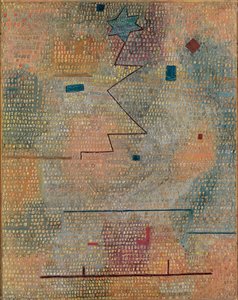 Castle Garden
For centuries, the oil painting has held a unique position within the hierarchy of artistic mediums – a status not solely attributable to its technical demands, but deeply interwoven with notions of originality, authorship, and the very human touch it embodies. To truly appreciate an artwork is to engage with more than just visual representation; it’s about connecting with the artist's intent, their process, and the historical context that birthed the piece. The aesthetic value isn’t simply *what* we see, but *how* it was brought into being, and by whom. Consider Paul Klee’s “Castle Garden” (1928), a delicate interplay of color and form. Its charm lies not just in its whimsical composition, but in the visible evidence of Klee's layered approach – the subtle textures, the almost hesitant brushstrokes that reveal his evolving thought process. This is an intimacy impossible to replicate perfectly, a quality that resonates deeply with discerning collectors.
The concept of ‘aura,’ as theorized by Walter Benjamin, speaks directly to this phenomenon. The unique presence of an artwork in time and space—its history, its provenance, the very fact that it exists as a singular object—contributes significantly to its perceived value. While digital reproductions offer accessibility, they inherently lack this irreplaceable quality. They are echoes, however faithful, of an original experience. This isn’t to diminish their merit – digital art has its own strengths – but rather to highlight the distinct allure of possessing something imbued with a tangible past.
Materiality & Time: Assessing the Longevity of Hand-Painted vs. Digital Art
 F.A.Q.: Ensuring Unrivaled Quality in Reproductions & Prints for Elite Collectors
delivers museum-quality art reproductions & custom paintings for elite collectors. Experience unparalleled craftsmanship, personalized service & lasting value. Explore our process and elevate your collection today.
The physical substance of an oil painting—the canvas, the pigments, the varnish—plays a crucial role in its enduring appeal and long-term preservation. Oil paint itself is remarkably durable, capable of retaining its vibrancy for centuries when properly cared for. The layering process, building up successive glazes and impastos, creates a depth and richness that digital printing simply cannot achieve. This inherent stability extends beyond the visual; it’s about the artwork as an object with a lifespan extending far beyond our own. Contrast this with the ephemeral nature of digital data. While high-resolution scans can capture incredible detail, they are ultimately dependent on technology – file formats become obsolete, storage media degrades, and the potential for alteration or loss is ever-present.
Photographic print toning techniques, historically employed to enhance stability and alter color palettes, offer a fascinating parallel. Processes like selenium toning replace metallic silver with more durable compounds, demonstrating an age-old desire to safeguard artistic expression against the ravages of time. However, even these methods are limited in scope compared to the inherent resilience of oil paint on canvas. The very act of choosing archival materials—linen canvases, lightfast pigments—is a testament to the artist’s commitment to longevity, a consideration often overlooked in the realm of digital reproduction.
The Artist’s Hand: Skill, Technique, and the Imprint of Human Creativity
 F.A.Q.: How ’s Skilled Artists Create Museum-Quality Painting Reproductions for Elite Collectors
: Museum-quality oil painting reproductions & custom art commissions for elite collectors. Hand-painted by skilled artists, ensuring authenticity & lasting value. Explore our expertise and elevate your collection.
Beyond the materials themselves lies the irreplaceable skill of the artist. The mastery required to manipulate oil paint—to blend colors seamlessly, create convincing textures, capture light and shadow with precision—is a testament to years of dedicated practice. Consider Vincent van Gogh’s “Two Cut Sunflowers 2” (1887). Its emotive power stems not just from its subject matter but from the visible energy in each brushstroke, the thick impasto that seems to pulse with life. This is a quality born of intense personal expression and technical virtuosity.
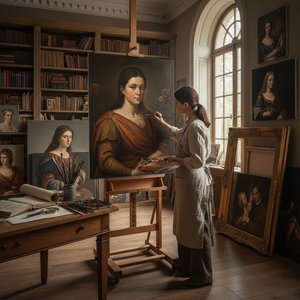
When commissioning a reproduction, it’s crucial to understand the level of artistry involved. At ArtsDot, our hand-painted reproductions are created by skilled professionals who meticulously recreate every detail of the original artwork. They aren't simply copying an image; they are interpreting and re-creating a vision, imbuing the piece with their own understanding of technique and composition. This process requires not only technical proficiency but also a deep appreciation for art history and the artist’s intent.
Emotional Resonance: How Authenticity Impacts Perception and Connection
The perceived authenticity of an artwork profoundly impacts our emotional response to it. Knowing that a painting was created by the hand of a master, imbued with their unique perspective and experiences, adds layers of meaning and significance. This connection transcends mere aesthetic appreciation; it’s about engaging with a cultural legacy, participating in a dialogue across time.
While reproductions can certainly evoke emotion, they often lack the same visceral impact as the original. The subtle imperfections, the visible brushstrokes, the very texture of the canvas—these details contribute to a sense of presence and intimacy that is difficult to replicate. This isn’t about snobbery or elitism; it’s about recognizing the inherent value in human creativity and the unique qualities that distinguish an original artwork from its copies.
Reproductions Through History: From Studio Practice to Modern Accessibility
Oil painting reproductions are paintings that have been created by copying in oils an original oil painting by an artist. Oil painting reproductions are distinct from original oil painting such as are often of interest to collectors and museums. Oil ...
The practice of reproducing oil paintings is not a modern invention. Throughout history, artists have learned their craft by copying the works of masters. Students would meticulously recreate existing paintings as a means of honing their skills and understanding technique. These studio reproductions weren’t necessarily intended for sale; they were exercises in learning and imitation.
Oil painting reproduction, as documented historically, evolved from these early practices to become a more widespread phenomenon with the advent of printing technologies. While early reproductions often lacked fidelity, modern techniques—particularly hand-painted reproductions—have significantly narrowed the gap between original and copy. This increased accessibility has democratized art ownership, allowing individuals who might not be able to afford an original masterpiece to experience its beauty firsthand.
Preserving Legacy: The Role of Expert Craftsmanship in Reproduction Quality
The quality of a reproduction hinges on the expertise of the artist creating it. A skilled reproducer doesn’t simply copy an image; they analyze the original artwork, understanding its composition, color palette, and technique. They then meticulously recreate these elements using high-quality materials and time-honored methods.
At ArtsDot, we prioritize craftsmanship above all else. Our artists undergo rigorous training to ensure their ability to faithfully reproduce a wide range of styles and techniques. We also offer custom reproductions, allowing clients to tailor the size, framing, and even the style of the artwork to their specific preferences. Whether you’re seeking a museum-quality reproduction or a unique piece tailored to your individual taste, ArtsDot provides the expertise and quality you deserve. Our commitment extends beyond simply creating beautiful images; it's about preserving artistic legacy and making art accessible to all.