The Historical Significance of Portraiture: From Aristocratic Symbolism to Enduring Legacy
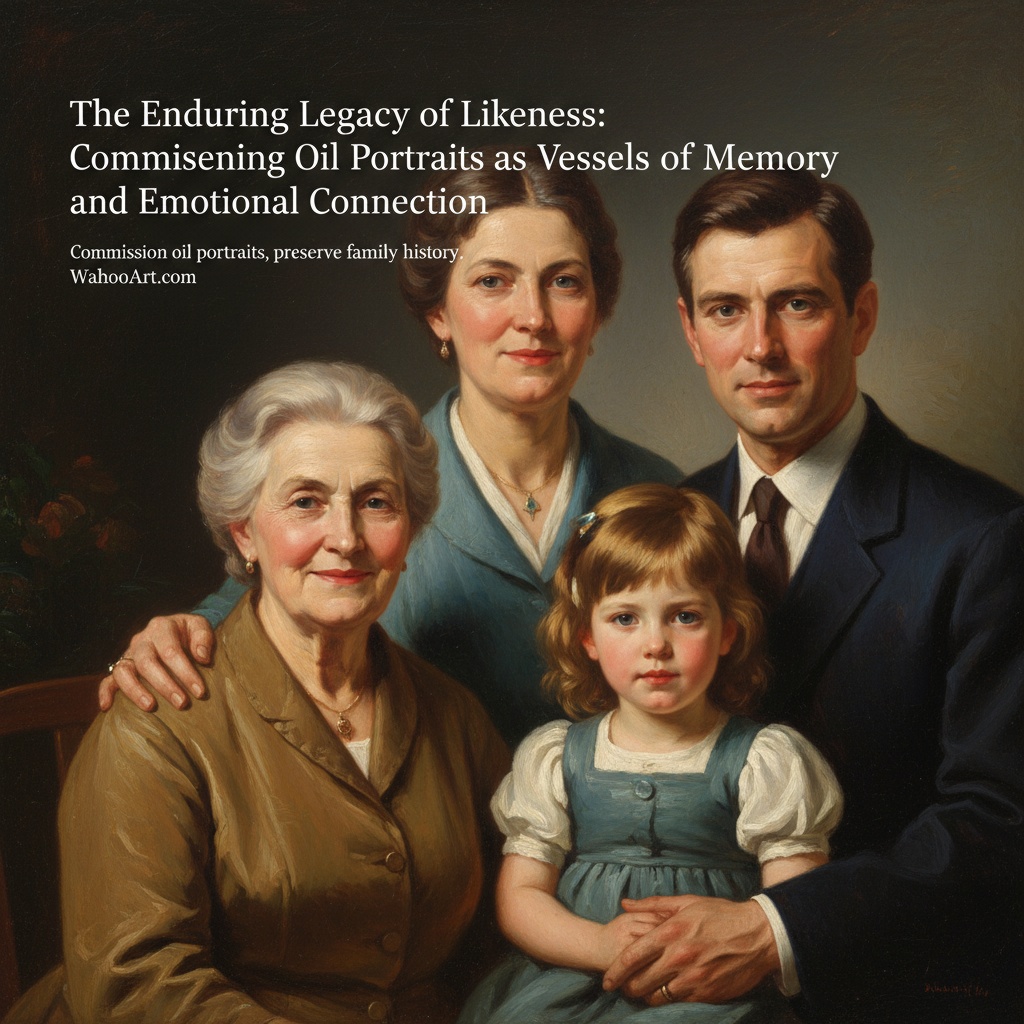
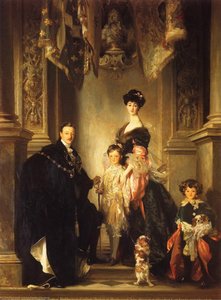
For centuries, the oil portrait has existed as more than a mere depiction of physical features; it’s been a potent symbol of status, affection, and remembrance—a tangible manifestation of identity itself. Beyond capturing likeness, commissioning a portrait was historically an act of solidifying emotional bonds and creating a timeless heirloom, a legacy rendered in pigment and canvas. The roots of this tradition stretch back to antiquity, though it was during the Renaissance that the form truly blossomed. Artists like Leonardo da Vinci and Raphael didn’t simply paint faces; they elevated portraiture to an art form, meticulously capturing not just appearance but also personality, intellect, and social standing. To commission a portrait became synonymous with wealth and influence, signifying one’s place within the societal hierarchy.
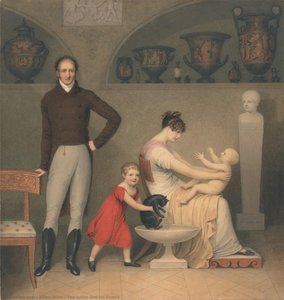
As techniques evolved—from tempera to oil paint—the realism and depth achievable increased dramatically. Oil paint, though known earlier, allowed for richer colors, subtle gradations of light and shadow, and a level of detail previously unattainable. This medium enabled artists to convey texture, emotion, and even psychological insight. The 18th century saw portraiture become increasingly accessible, though still largely reserved for the upper classes. Artists like Thomas Beach, as exemplified in his refined classical oil painting of William 'Memory' Woodfall (1782), showcased a scholar’s profile with remarkable detail, reflecting the intellectual pursuits and social standing of the sitter. The Victorian era further cemented portraiture’s role as a symbol of family values and commemoration; portraits were often commissioned to mark significant life events—births, marriages, deaths—serving as tangible reminders of loved ones and ancestors.
Beyond Likeness: Capturing Personality, Emotion, and Social Context in Oil Portraits
The advent of photography in the 19th century didn't diminish the appeal of painted portraits. Instead, it spurred a fascinating evolution. While photographs offered immediate realism, they often lacked the artistic interpretation and emotional depth that skilled portrait painters could achieve. Many saw photography as a tool to *aid* portraiture, providing artists with accurate references, but a counter-movement emerged—artists deliberately rejecting photographic precision in favor of capturing inner character and subjective experience.
The Impressionists, for example, prioritized light and atmosphere over strict realism, resulting in portraits that conveyed mood and feeling rather than precise likeness. Later movements like Expressionism and Cubism further challenged traditional notions of representation, exploring fragmented forms and psychological states. Pablo Picasso’s ‘The Old Fisherman’ (1895) exemplifies this shift—a poignant oil painting showcasing early realism but also hinting at the artist's developing style and a somber emotional depth that transcends mere physical depiction. Even in the 20th and 21st centuries, artists continue to push boundaries, experimenting with abstraction, symbolism, and mixed media while still grappling with the fundamental question of how to represent the human form.
Commissioning Your Portrait Today: A Step-by-Step Guide to Collaboration and Creation
Commissioning an oil portrait today is a deeply personal process, offering a unique opportunity to collaborate with an artist and create a truly bespoke work of art. The first step involves selecting an artist whose style resonates with your vision. Do you prefer classical realism, impressionistic brushwork, or a more contemporary approach? Consider the sitter’s personality and the desired mood of the portrait. A formal pose might be appropriate for a professional headshot, while a more relaxed setting could capture a sense of intimacy and warmth. The choice of background is also crucial—it can provide context, symbolism, or simply complement the sitter's features.
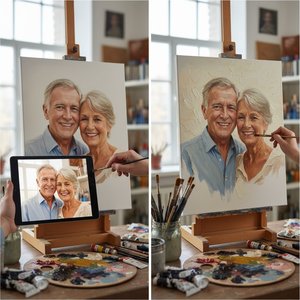
Once you’ve chosen an artist, discuss your preferences in detail, providing reference photographs and any specific requests. Many artists will create preliminary sketches or digital mockups for approval before beginning the painting process. The actual painting process typically takes several weeks or months, depending on the size and complexity of the portrait. Throughout this time, maintain open communication with the artist to ensure that the final result meets your expectations.
Materials & Techniques: Ensuring Longevity and Aesthetic Quality in Oil Painting
The materials used in oil painting significantly impact the longevity and aesthetic qualities of the finished portrait. Understanding these choices can help ensure your investment endures for generations. Oil paint itself is composed of pigments suspended in a drying oil, typically linseed oil, poppy seed oil, or walnut oil. Each oil imparts different characteristics—linseed oil offers durability but yellows over time, while poppy seed oil dries slower and remains more vibrant. The canvas support also plays a crucial role; linen is considered the highest quality option, offering strength and stability, while cotton is more affordable but less durable.
The preparation of the canvas – known as priming – involves applying layers of gesso to create a smooth surface for painting. A well-primed canvas prevents oil from seeping into the fabric and ensures archival quality. Framing choices are equally important; acid-free mats and UV-protective glass help preserve the artwork, while a carefully selected frame can enhance its aesthetic appeal. The 'fat over lean' principle – applying layers of paint with increasing oil content – is essential for preventing cracking and peeling.
Contemporary Trends in Portraiture: Innovation, Identity, and Multidirectional Memory
Beyond capturing physical likeness, contemporary artists are exploring innovative ways to imbue portraits with deeper meaning and emotional resonance. Artists like Emma Talbot utilize layered textures and symbolic imagery to explore themes of femininity, memory, and identity. Her evocative paintings often incorporate collage elements and abstract forms, creating a dreamlike quality that invites introspection.
Other artists are experimenting with mixed media—incorporating fabrics, found objects, or digital elements into their portraits. This approach allows for greater expressiveness and the creation of unique visual narratives. The concept of 'multidirectional memory'—the idea that memories interact in complex ways to shape our identities—is increasingly influencing portraiture. Artists may incorporate multiple perspectives, fragmented images, or symbolic representations of past experiences to convey a sense of layered history and emotional complexity. The use of color psychology is also gaining prominence – artists carefully selecting hues to evoke specific moods and emotions.
Preserving Family History: The Enduring Value of a Hand-Painted Heirloom
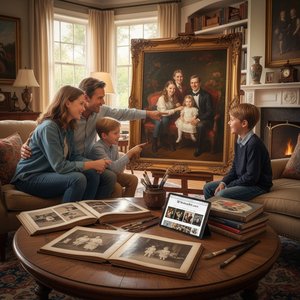
The enduring legacy of portraiture lies in its ability to connect us with the past, evoke emotions, and preserve cherished memories. Commissioning an oil portrait is not simply acquiring art; it’s an investment in history, personal connection, and a tangible representation of those you hold dear. It's about creating something that will be treasured for generations—a piece of art that tells a story, reflects a personality, and embodies the spirit of a time.
Whether you seek a classical masterpiece or a contemporary interpretation, ArtsDot.com offers a curated selection of artists and customizable options to bring your vision to life. Our skilled professionals can recreate iconic works with meticulous detail or create bespoke portraits from your own photographs. We provide expert guidance throughout the process—from selecting an artist and choosing materials to framing and delivery, ensuring a seamless and satisfying experience.