The Dawn of Pigment: Early Expressions & Materials
Art history is an academic discipline devoted to the study of artistic production and visual culture throughout human history. Art historians use a historical method or a philosophy, such as historical materialism or critical theory, to analyze artwo...
Long before the refined oils that would define centuries of artistic achievement, humanity’s impulse to capture the world around us found its first expression in the earth itself. The earliest paintings weren't born from palettes and brushes as we know them, but from a primal connection to pigment – ochre reds from iron oxides, charcoal blacks from fire-scorched wood, and earthy browns derived from manganese dioxide. These materials, discovered and painstakingly processed by our ancestors, adorned cave walls in Lascaux and Altamira, not merely as depictions of hunts or rituals, but as potent expressions of belief, storytelling, and a fundamental desire to impose order on the chaos of existence. These weren’t simply images; they were invocations, maps of the spirit world, and testaments to early human consciousness. The techniques employed – blowing pigment onto surfaces, using fingers and rudimentary tools – speak to an intimate relationship with the medium itself. While fragile by modern standards, these works represent a foundational moment: the birth of visual language.
The ancient Egyptians further refined this practice, utilizing mineral pigments like lapis lazuli for vibrant blues and malachite for rich greens, bound in tempera – often egg yolk – to create luminous murals within tombs and on papyrus scrolls. These paintings weren’t merely decorative; they were integral to the afterlife beliefs of a complex civilization, depicting scenes from daily life intended to accompany the deceased on their journey. The highly stylized forms and symbolic representations demonstrate a sophisticated understanding of visual communication, prioritizing clarity and permanence over naturalistic depiction. This emphasis on symbolism would echo through art history for millennia.
Renaissance Revolution: Oil Paint, Realism & Masterful Techniques
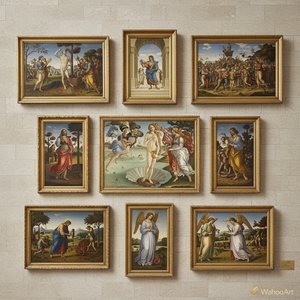 Early Renaissance Masters: 10 Paintings That Changed Art History |
Journey through the Early Renaissance! Explore 10 iconic paintings by Botticelli, Leonardo da Vinci & Michelangelo. Discover their stories, techniques & lasting impact. Find museum-quality art reproductions and elevate your home decor with .
The Renaissance witnessed a seismic shift in artistic approach, largely fueled by the rediscovery of classical ideals and a burgeoning interest in humanism. But perhaps no single innovation was as transformative as the widespread adoption of oil paint in Northern Europe during the 15th century. Artists like Jan van Eyck revolutionized painting with their meticulous detail, luminous colors, and unprecedented realism. Unlike tempera’s rapid drying time, oil allowed for subtle blending, layering, and a depth of color previously unattainable. Van Eyck's Arnolfini Portrait, for example, isn’t just a portrait; it’s a testament to the power of observation and symbolic representation – every object meticulously rendered, imbued with meaning.
This newfound flexibility enabled artists to explore chiaroscuro—the dramatic interplay of light and shadow—creating a sense of volume and emotional depth. Leonardo da Vinci's sfumato technique, exemplified in the Mona Lisa, pushed this further, blurring lines and creating an ethereal quality that captivated viewers then and continues to do so today. The layering process itself became an art form; artists built up their compositions gradually, often employing underpainting techniques to establish tonal values before adding layers of color and detail. This meticulous approach demanded patience, skill, and a deep understanding of the medium’s properties.
Baroque Drama: Light, Shadow & Emotional Intensity in Painting
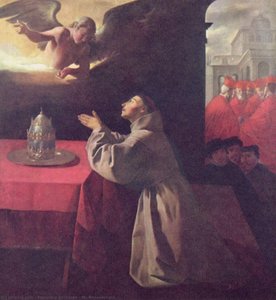 St. Bonaventure
Explore Francisco Zurbarán’s ‘St. Bonaventure,’ a Baroque masterpiece! Admire its dramatic lighting, pyramidal composition & rich detail of this 1650 oil painting.
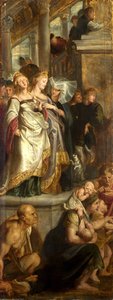
The Baroque period, born from the fervor of the Counter-Reformation, embraced drama, grandeur, and emotional intensity. Artists moved away from the Renaissance's emphasis on balance and harmony, favoring dynamic compositions, rich colors, and theatrical lighting. Caravaggio’s revolutionary use of tenebrism – a stark contrast between light and dark – heightened the emotional impact of his religious scenes, imbuing them with a raw realism that shocked and captivated audiences. His paintings weren't merely depictions of biblical stories; they were visceral experiences, drawing viewers into the heart of the narrative.
Jacopo Tintoretto, working in Venice, further explored dramatic compositions and dynamic brushwork, creating monumental canvases filled with swirling figures and intense emotion. His St. Christopher exemplifies this style – a powerful depiction of faith and struggle rendered with bold colors and energetic lines. Francisco de Zurbarán, known for his austere religious paintings, masterfully employed chiaroscuro to create a sense of spiritual depth and contemplation in works like St. Bonaventure. The Baroque period wasn’t simply about technical skill; it was about using art as a tool to evoke emotion, inspire devotion, and convey the power of faith.
Impressionism & Beyond: Breaking Boundaries with Color and Brushwork
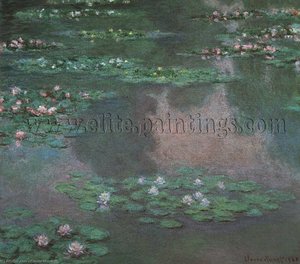
The 19th century witnessed a radical departure from traditional artistic conventions. Artists began to reject academic constraints, seeking instead to capture fleeting moments, subjective experiences, and the effects of light on color. The Impressionists – Monet, Renoir, Degas – abandoned detailed realism in favor of loose brushwork, vibrant colors, and an emphasis on capturing the *impression* of a scene rather than its precise representation. Monet’s series of Water Lilies, for example, aren't depictions of specific flowers; they are explorations of light, color, and atmosphere.
This pursuit led to groundbreaking discoveries about color theory and the perception of light. Artists began to paint *en plein air* – outdoors – directly observing the effects of sunlight on their subjects. Post-Impressionists like Van Gogh and Cézanne further pushed these boundaries, exploring subjective expression and formal experimentation. Van Gogh’s emotionally charged brushwork and vibrant colors conveyed a sense of inner turmoil, while Cézanne sought to reduce forms to their essential geometric shapes, paving the way for Cubism.
Modern Visions: Abstract Expressionism and the Evolution of Form
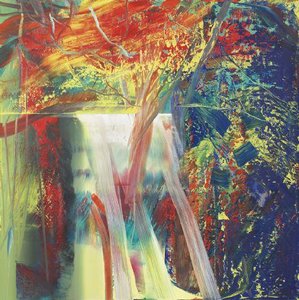
The 20th century saw an explosion of artistic movements, each challenging traditional notions of representation. Abstract Expressionism, emerging in post-war America, rejected representational imagery altogether, focusing instead on spontaneous gesture, emotional expression, and the inherent qualities of paint itself. Artists like Jackson Pollock revolutionized painting with his drip technique, creating dynamic canvases filled with energy and movement. Mark Rothko’s color field paintings explored the power of color to evoke emotion and create a sense of spiritual contemplation.
This period wasn't simply about abandoning representation; it was about exploring the fundamental elements of art – form, color, texture – and their ability to communicate directly with the viewer. The evolution of painting continued throughout the century, encompassing movements like Pop Art, Minimalism, and Photorealism, each pushing the boundaries of artistic expression in new and unexpected directions.
The Enduring Legacy: Contemporary Approaches to Paint & its Future
Today, paint continues to be a vital medium for artists around the world. Contemporary painters draw inspiration from art history while simultaneously exploring new techniques, materials, and concepts. From hyperrealistic portraits to abstract landscapes, the possibilities are endless. The digital age has also influenced painting, with artists incorporating digital tools and technologies into their practice.
The enduring power of paint lies in its ability to connect us to the past, express our emotions, and challenge our perceptions of the world around us. Whether it’s a meticulously rendered oil painting or an abstract expressionist masterpiece, art has the unique capacity to transcend time and culture, offering a glimpse into the human spirit. At ArtsDot, we are dedicated to making these masterpieces accessible to everyone, offering museum-quality reproductions and expert advice to help you discover the beauty and power of paint for yourself.