



The Historical Roots of Patronage: From Royal Courts to Renaissance Masters
For millennia, the creation of art has rarely existed in a vacuum. It’s been inextricably linked to power, belief, and the enduring human desire for legacy. The earliest forms of patronage weren't simply about acquiring beautiful objects; they were declarations – statements of dominion by pharaohs commissioning colossal sculptures, or testaments of faith through Byzantine mosaics shimmering with gold. Consider the Roman emperors, whose architectural ambitions—the Colosseum, the Pantheon—were not merely feats of engineering but potent symbols of imperial authority, designed to awe and inspire obedience. These weren’t isolated acts; they were carefully orchestrated displays intended to shape public perception and solidify control.
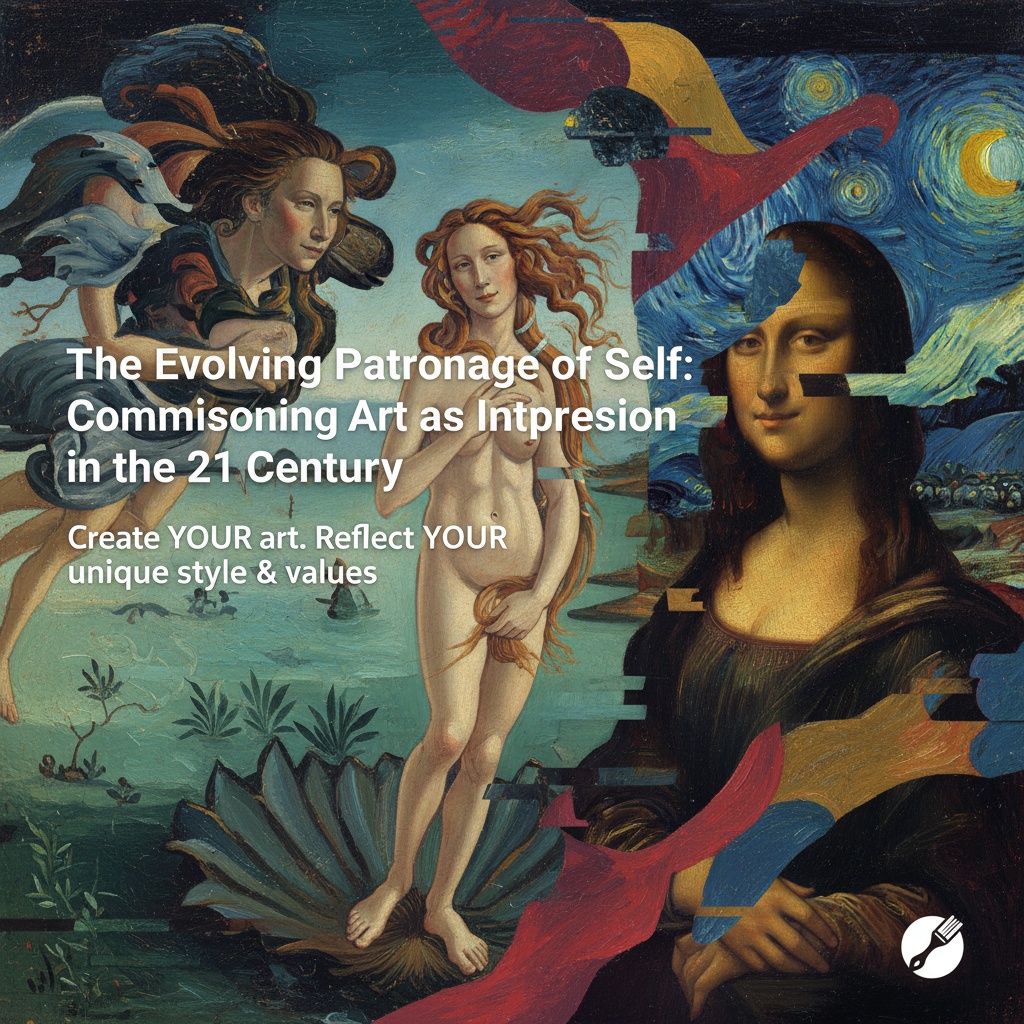
The Renaissance witnessed a fascinating shift in this dynamic. While religious commissions remained significant, the rise of wealthy merchant families like the Medici in Florence introduced a new breed of patron – one driven not solely by piety but also by civic pride and a thirst for cultural prestige. Lorenzo de’ Medici, “Lorenzo the Magnificent,” didn't just *order* art; he cultivated artists, fostering an environment where creativity flourished. Leonardo da Vinci, Michelangelo, Botticelli—these masters weren’t simply fulfilling requests; they were beneficiaries of a system that valued innovation and artistic excellence. The Sistine Chapel ceiling, commissioned by Pope Julius II, stands as perhaps the most iconic example of this era, a breathtaking testament to both papal power and human genius. The patronage wasn't without its constraints, of course. Artists often had to adhere to specific iconographic requirements or the tastes of their benefactors, but within those boundaries lay opportunities for groundbreaking experimentation.
Even in later centuries, as private collecting gained prominence, the underlying principle remained: art was a reflection of status and identity. Portraiture became increasingly popular, not merely as a likeness but as a carefully constructed image designed to convey wealth, refinement, and social standing. Artists like Sir William Beechey thrived by catering to aristocratic clientele, capturing their subjects in paintings that reinforced their position within society. This historical context is crucial because it reveals a consistent thread: patronage has always been about more than just the artwork itself; it’s about power, belief, legacy, and the desire to leave an indelible mark on the world.
The Democratization of Art: How Technology is Reshaping Commissions in the 21st Century
The digital age has irrevocably altered this landscape. The internet and social media have shattered traditional gatekeepers, democratizing access to artists and broadening the potential audience for commissioned work. No longer confined by geographical limitations or the approval of established institutions, artists can now connect directly with collectors worldwide. This shift is perhaps most evident in the rise of online platforms like Kickstarter and Patreon, which empower creators to bypass traditional funding models and cultivate a community of supporters. Individuals can contribute directly to projects they believe in, fostering a sense of collective ownership and participation.
The impact extends beyond financial support. Virtual reality (VR) is opening up new avenues for experiencing art, allowing potential patrons to immerse themselves in an artist’s world before committing to a commission. Museums are creating digital tours, expanding their reach beyond physical boundaries and attracting global audiences. Online marketplaces like ArtsDot.com have also played a pivotal role, providing artists with a platform to showcase their work and connect with clients seeking bespoke pieces. Crucially, technology has enabled an unprecedented level of customization. Clients can now specify not only the size and framing but also the style, subject matter, and even the emotional tone of their artwork.
This ability to tailor commissions reflects a growing desire for unique, meaningful art that resonates with individual tastes and experiences. It’s no longer enough to simply acquire a beautiful object; patrons want something that tells a story, embodies their values, or captures a specific moment in time. The digital age has empowered them to become active participants in the creative process, fostering a sense of ownership and self-expression.
Beyond Aesthetics: Philanthropy, Social Impact & The Modern Collector's Vision
Contemporary art patronage is increasingly driven by motivations that extend beyond mere aesthetic appreciation. A growing number of collectors are using their resources to support underrepresented voices within the art world, championing diversity and inclusivity. They seek out artists from marginalized communities, providing them with opportunities to showcase their work and challenge conventional narratives. This shift reflects a broader societal trend towards social justice and equity, recognizing that artistic expression is not limited by background or privilege.
Furthermore, collectors are using art as a platform for raising awareness about important issues – climate change, human rights, political activism. Commissions may be specifically designed to address these themes, sparking dialogue and promoting positive action. The Rinascimento+ award exemplifies this trend, recognizing patrons who demonstrate a commitment to supporting artists and fostering cultural impact. There’s also a heightened emphasis on ethical sourcing and responsible collecting. Patrons are scrutinizing the provenance of artwork, ensuring that it has been acquired legally and ethically – a response to growing concerns about art theft and exploitation.
This evolving landscape reflects a fundamental shift in values: contemporary patrons aren't simply acquiring objects; they’re investing in causes, supporting communities, and shaping a more equitable future. The artwork itself becomes a vehicle for social change, embodying the collector’s beliefs and aspirations.
Cultivating a Personal Brand: Artists as Entrepreneurs and the Power of Online Presence
In an increasingly saturated art market, standing out from the crowd requires more than just technical skill; it demands a strong personal brand. Artists are actively crafting their online presence – websites, social media profiles, portfolios – to showcase their style, values, and artistic vision. This involves developing a cohesive aesthetic identity, consistent messaging, and engaging content that resonates with target audiences. The rise of ‘influencer’ culture has also played a role, with artists leveraging platforms like Instagram to build followings and connect directly with potential collectors.
However, maintaining authenticity is crucial. Artists must strike a balance between self-promotion and artistic integrity, ensuring that their brand reflects their true values and creative vision. Collaborations with brands and corporations can further enhance an artist’s visibility and reach, but it's essential to choose partners whose values align with their own. The concept of the ‘artist as entrepreneur’ is gaining traction, recognizing that success in today’s art world requires not only talent but also business acumen.
The ability to tell a compelling story – about one’s artistic journey, inspirations, and creative process – is paramount. Collectors aren't simply buying artwork; they’re investing in an artist’s vision and supporting their unique voice. Building a strong personal brand allows artists to connect with audiences on a deeper level, fostering loyalty and long-term relationships.
Commissioning for Self-Expression: Art as Emotional Exploration and Legacy Building
For many individuals, commissioning art is not about acquiring an object; it’s about creating something deeply meaningful that reflects their identity, values, or experiences. Portraits are often commissioned to commemorate loved ones, capture significant life events, or celebrate personal achievements. The process of working with an artist can be profoundly therapeutic, allowing clients to explore their emotions and express themselves creatively.
Choosing the style, subject matter, and composition becomes a form of self-discovery – a way to articulate one’s inner world and create a tangible representation of cherished memories or aspirations. Furthermore, commissioning art can be seen as an investment in legacy – creating something that will endure for generations. The artwork serves as a tangible reminder of personal history, values, and the stories that define us.
The desire to create a unique space that reflects one’s personality is another key motivation. Art becomes an integral part of the home environment, transforming it into a sanctuary that embodies individual tastes and preferences. It's about more than just decorating; it’s about creating a personal narrative within the walls of one’s own home.
Corporate Patronage Reimagined: Aligning Values with Artistic Support
The role of corporations in art patronage is evolving beyond traditional sponsorship. Increasingly, companies recognize the importance of supporting the arts as a means of contributing to culture and society. Partnerships between corporations and art organizations can provide funding for exhibitions, residencies, and educational programs.
This shift is driven by the desire to enhance corporate reputation, attract talent, and engage with communities. Art becomes an integral part of the company’s brand identity, reflecting its values and social responsibility initiatives. For example, Coca-Cola's recent 'Masterpiece' commercial demonstrates a commitment to supporting emerging artists and promoting cultural diversity. Furthermore, corporations are using art to create immersive experiences for employees and customers – transforming office spaces into inspiring environments that foster creativity and innovation.
However, ethical considerations are paramount. Companies must ensure that their patronage is aligned with their values and does not contribute to harmful practices. Transparency and accountability are essential, demonstrating a genuine commitment to supporting the arts rather than simply using art as a marketing tool. The future of corporate patronage lies in forging authentic partnerships that benefit both the company and the artistic community.