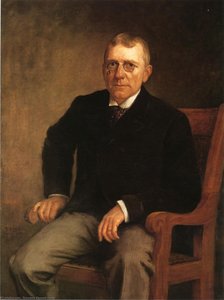
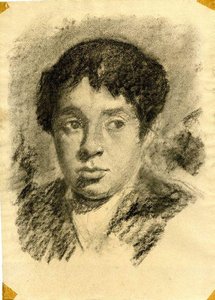
Early Life and Artistic Foundations: From Rural Indiana to Formal Training
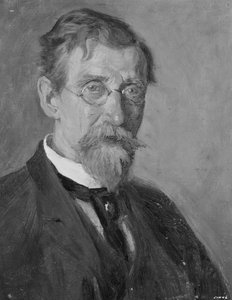 Theodore Clement Steele
Discover Theodore Clement Steele (1847-1926), a leading American Impressionist painter renowned for luminous Indiana landscapes & capturing serene beauty. Explore his blend of European techniques and American themes.
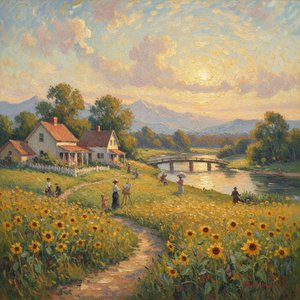
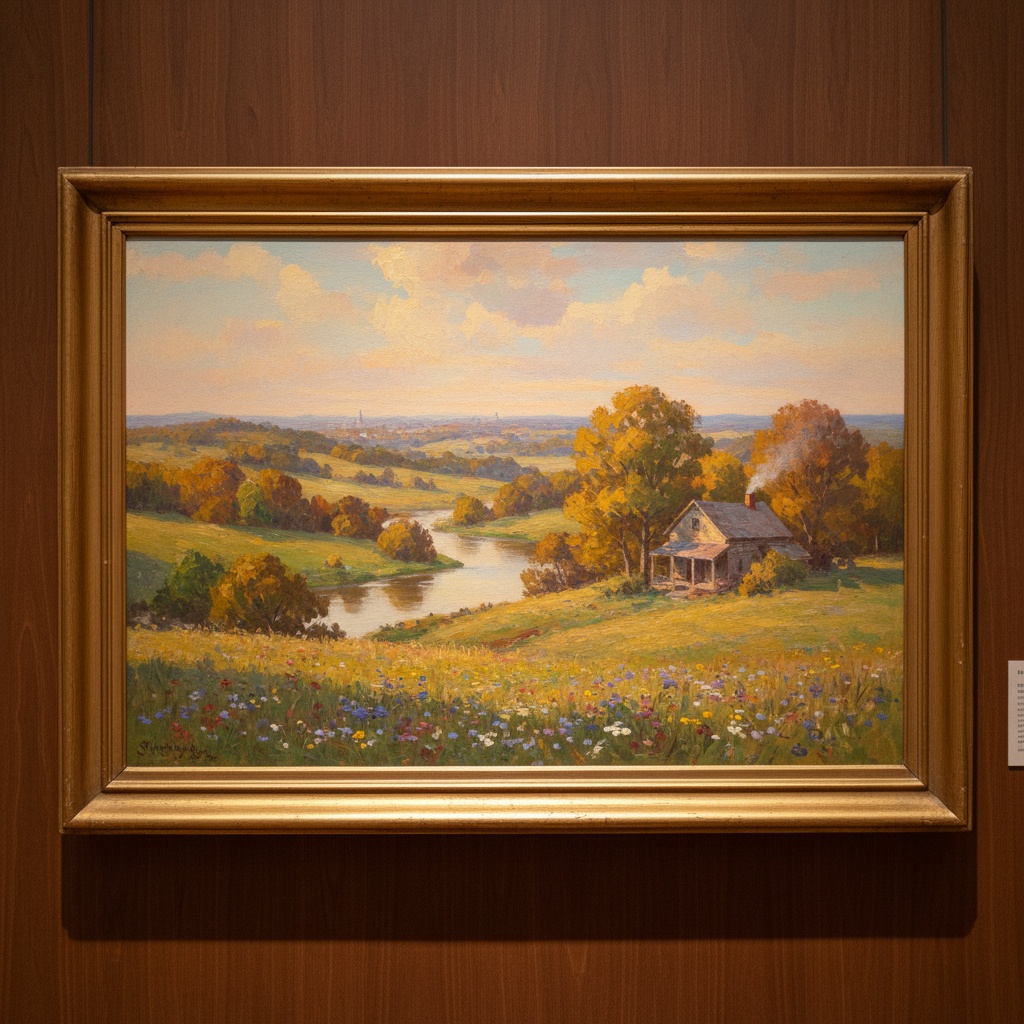
The story of Theodore Clement Steele is inextricably linked to the land itself – the rolling hills, fertile fields, and shifting light of rural Indiana. Born in 1847 near Gosport, Owen County, his early life was one of modest means, steeped in the rhythms of agrarian existence. However, even amidst the practicalities of farm life, a nascent artistic sensibility began to bloom. A pivotal moment arrived during the family’s relocation to Waveland, Montgomery County, where at the tender age of thirteen, young Theodore received his first box of paints – a gift that would irrevocably alter the course of his life. This wasn't merely an introduction to materials; it was the unlocking of a profound connection to visual expression. He quickly demonstrated aptitude, offering drawing lessons to fellow students, foreshadowing a lifelong dedication to both creating and sharing art.
Steele’s initial training remained somewhat fragmented, encompassing studies in Chicago and Cincinnati before returning to Indianapolis to establish himself as a portrait painter. While financially necessary, this period of commercial work didn't fully satisfy his artistic yearning. He possessed an inherent desire to capture the ephemeral beauty of the natural world, a passion that couldn’t be contained within the confines of formal likenesses. This early struggle – balancing economic realities with creative ambition – would become a defining characteristic of Steele’s career, ultimately leading him towards a path of innovation and self-discovery.
The Munich Years: European Influences and the Shaping of a Style
 Wikipedia: T. C. Steele
Theodore Clement Steele (September 11, 1847 – July 24, 1926) was an American Impressionist painter known for his Indiana landscapes. Steele was an innovator and leader in American Midwest painting and is one of the most famous of Indiana's Hoosier Gr...
A transformative chapter unfolded in 1880 when Steele embarked on an extended period of study at the Royal Academy of Fine Arts in Munich, Germany. This journey wasn’t undertaken in isolation; it was facilitated by a remarkable network of patrons who recognized his potential and pooled their resources to support his artistic endeavors. Alongside fellow Hoosier artists J. Ottis Adams, William Forsyth, and Otto Stark, Steele immersed himself in the rich artistic traditions of Europe. Munich at this time was a vibrant hub for painters, offering exposure to diverse techniques and philosophies.
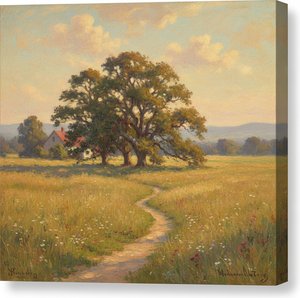
While embracing European methodologies, Steele didn’t simply replicate them. He absorbed the principles of landscape painting, particularly those emphasizing light and atmosphere, but began to subtly infuse his work with uniquely American sensibilities. The vastness and subtle nuances of the Indiana countryside differed significantly from the more dramatic landscapes often depicted by European masters. This period was crucial in honing his technical skills – mastering composition, color theory, and brushwork – yet it also laid the groundwork for a distinctly Hoosier aesthetic that would later define his artistic voice.
Hoosier Group Pioneer: Defining an American Impressionist Identity
The Hoosier Group was a group of Indiana Impressionist painters working in the late 19th and early 20th centuries. Artists considered members of the Group include T. C. Steele, Richard Gruelle, William Forsyth, J. Ottis Adams, and Otto Stark. Togethe...
Upon returning to Indianapolis in 1885, Steele became a central figure in what would become known as the “Hoosier Group” – a collective of artists dedicated to capturing the essence of the Indiana landscape. This wasn’t a formally organized movement but rather a confluence of shared experiences and artistic vision. Alongside William Forsyth, J. Ottis Adams, Richard B. Gruelle, and Otto Stark, Steele championed a style that blended elements of Impressionism with a uniquely American perspective.
The Group's significance lies in their commitment to portraying the beauty of the Midwest – a region often overlooked by the art world establishment. They rejected the prevailing tendency towards historical or mythological subjects, instead focusing on the everyday scenes and natural wonders surrounding them. Steele’s role extended beyond painting; he actively promoted the group through exhibitions, lectures, and participation in art juries, most notably at the Universal Exposition of 1900 in Paris and the Louisiana Purchase Exposition of 1904 in Saint Louis. He wasn't merely an artist but a cultural advocate, instrumental in establishing Indiana as a legitimate center for artistic expression.
Landscapes of Serenity: Exploring Steele’s Signature Themes and Techniques
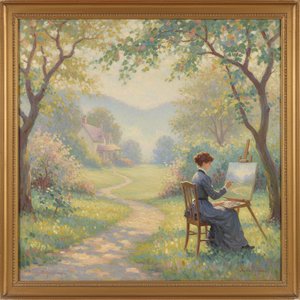
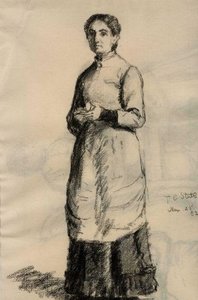 Libbie Standing
Discover "Libbie Standing" by Theodore Clement Steele – a luminous American Impressionist landscape. Explore his serene Hoosier scenes & timeless beauty. Buy art online.
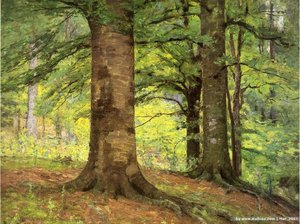
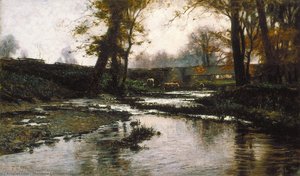
Steele’s mature work is characterized by a profound sense of serenity and a masterful manipulation of light. His landscapes aren't simply depictions of places; they are emotional responses to the natural world, imbued with a quiet reverence for its beauty. Paintings like “Libbie Standing” exemplify this approach – capturing a fleeting moment of sunlight filtering through trees, evoking a feeling of peaceful contemplation. He often favored scenes along rivers and creeks, drawn to the interplay of water, light, and foliage.
Technically, Steele’s work demonstrates a sophisticated understanding of Impressionist principles. Loose brushwork creates a sense of movement and atmosphere, while vibrant color palettes capture the subtle shifts in light throughout the day. However, he wasn't a slavish imitator of French Impressionism. His compositions often exhibit a greater degree of structure and detail than those of his European counterparts, reflecting a uniquely American sensibility. He also experimented with different mediums, including watercolors and pastels, but oil painting remained his primary mode of expression.
Beyond the Canvas: Steele's Contributions to Art Education and Community
Steele’s influence extended far beyond his own artistic output. He was a dedicated educator, establishing an art school in Indianapolis where he imparted his knowledge and passion to generations of aspiring artists. His commitment to fostering creativity wasn’t limited to the classroom; he actively participated in community service, serving on numerous art juries that selected entries for national and international exhibitions. This dedication to public engagement underscored his belief in the transformative power of art.
His later years were spent at “The House of the Singing Winds” in Brown County, Indiana – a secluded retreat where he could fully immerse himself in his artistic pursuits. Even as his style evolved, Steele remained committed to capturing the beauty of the natural world, creating works that continue to resonate with audiences today. He became an honorary professor at Indiana University, solidifying his position as a leading figure in the state’s cultural landscape.
Legacy and Enduring Influence: The Continued Appreciation of a Hoosier Master
Theodore Clement Steele left behind a remarkable body of work that continues to inspire and captivate art enthusiasts. His paintings are widely collected by museums across the United States, including the Indianapolis Museum of Art, the Haan Mansion Museum of Indiana Art, and the Los Angeles County Museum of Art. More than just aesthetically pleasing images, his works offer a glimpse into a specific time and place – a celebration of the American Midwest and its understated beauty.
Steele’s legacy extends beyond his paintings. He helped establish Indiana as a significant center for artistic expression, fostering a community of artists who shared his passion for landscape painting. His commitment to art education ensured that future generations would continue to explore the creative possibilities of the natural world. Today, Steele is recognized as one of the most important figures in American Impressionism – a true visionary whose work continues to resonate with audiences seeking serenity, beauty, and a deeper connection to the land.
Discover more about exceptional artists like Theodore Clement Steele at ArtsDot.com, where you can explore high-quality reproductions of his masterpieces and bring the beauty of American Impressionism into your home.