The Language of Texture: Understanding the Impasto Technique
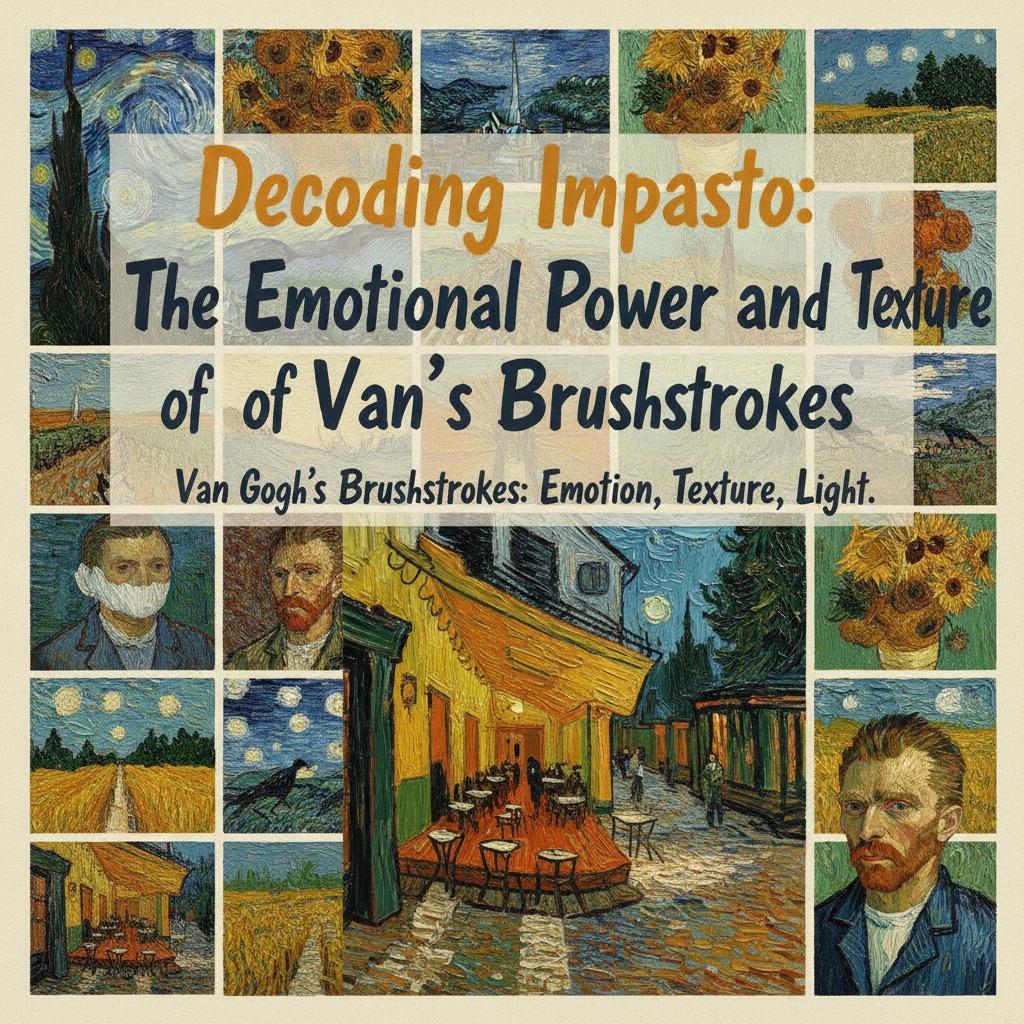
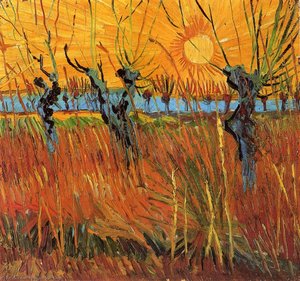
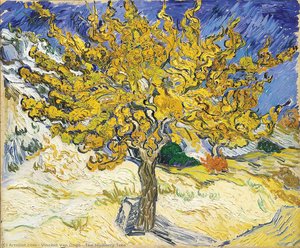
To stand before a true masterpiece is to enter into a silent dialogue with the artist’s very hand. For those of us who have spent decades wandering through the hallowed halls of museums, there is a particular moment of recognition when we encounter the work of Vincent van Gogh. It is not merely the subject matter that arrests our attention, but the physical presence of the paint itself. This is the essence of impasto—a technique where pigment is applied so thickly that it rises from the canvas, creating a sculptural relief that defies the flatness of traditional painting.
In the realm of Post-Impressionism, impasto serves as much more than a stylistic choice; it is a visceral manifestation of energy. When we observe the ridges and valleys left by his brush or palette knife, we are witnessing the residue of a creative struggle. The paint does not simply sit upon the surface; it clings to it with a desperate, beautiful intensity. For the discerning collector, understanding this texture is the first step in appreciating how Van Gogh transformed the two-dimensional plane into a three-dimensional emotional landscape, where every stroke carries the weight of his profound psychological journey.
Sculpting with Light: How Thick Paint Captures Movement and Emotion
There is a certain magic that occurs when light meets a textured surface. In works such as The Little Stream, the impasto technique allows the painting to interact dynamically with the environment around it. As the sun moves through a room, the shadows cast by the raised ridges of paint shift, lending an illusory sense of motion to the water and foliage. This interplay between light and physical depth is what gives Van Gogh’s work its heartbeat; the painting is never truly static.
This sculptural approach allows the artist to capture movement in a way that smooth, blended strokes never could. The directional flow of the thick paint guides our eyes through the composition, mimicking the swirling winds or the rhythmic swaying of grass. It is as if the artist has sculpted light itself, trapping it within the grooves of the oil. For those who cherish the sensory experience of art, this tactile quality provides a sense of life that transcends mere representation, offering a window into a world that feels perpetually in motion.
A Symphony of Color: The Interplay of Pigment and Physical Depth
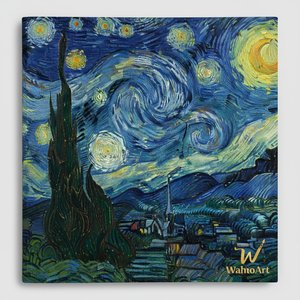
Color in Van Gogh’s hands is never a solitary element; it is inextricably linked to the physical architecture of the paint. When we look at his vibrant palettes, we see how the thickness of the impasto creates micro-shadows within the colors themselves. This adds a complexity to the tonal range that a flat print can never replicate. A single stroke of cobalt blue might contain highlights of cerulean and depths of ultramarine, all held within the same raised mound of pigment.
This layering creates a chromatic vibration, a phenomenon where colors seem to dance against one another. The heavy application of paint allows for the juxtaposition of complementary colors—such as the fiery oranges against deep blues—to exist in a state of high tension. This is not merely color theory applied to a flat surface; it is the construction of a color symphony where the volume of the paint provides the resonance. To experience this is to feel the warmth and the chill of the palette simultaneously, much like the shifting seasons of a life well-lived.
Nature’s Intensity: Analyzing Landscapes from 'Wheat Field' to 'Irises'
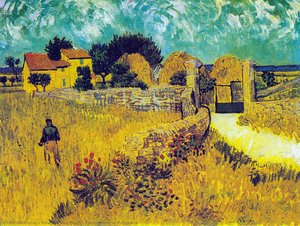
Nowhere is the emotional power of the impasto technique more evident than in Van Gogh’s landscapes. In Wheat Field with Cypresses at the Haute Galline Near Eygalieres, the landscape is not merely depicted; it is felt. The cypress trees rise like dark, flickering flames, their textured forms echoing the turbulent energy of the sky. The wheat field itself is a sea of golden ridges, each stroke representing the sun-drenched vitality of the earth.
Similarly, in his 1889 masterpiece Irises, the floral composition achieves a breathtaking botanical intensity. The petals are rendered with such thick, expressive strokes that they seem to bloom right out of the canvas. There is a profound sense of nature’s raw, unbridled power in these works—a reflection of an artist who saw the divine in the dirt and the celestial in the flowers. These landscapes serve as a testament to his ability to translate the fleeting beauty of the natural world into something permanent, heavy, and undeniably real.
The Artist's Pulse: Connecting the Brushstroke to Van Gogh's Inner World
To study Van Gogh’s brushwork is to read his biography. Every frantic swirl and every deliberate, heavy dab is a pulse point of his inner world. We cannot separate the impasto from the man; the texture is the trace of his heartbeat. During his most turbulent periods, particularly in Arles and Saint-Rémy, the paint becomes more agitated, more sculptural, reflecting a mind grappling with immense beauty and immense sorrow.
There is an intimacy in this technique that invites the viewer to empathize with the artist’s struggle. We see where he pressed hard, where he moved quickly, and where he paused to layer color upon color. It is a deeply personal form of expressionism that predates the movement itself. For the art lover, this connection offers a profound sense of companionship; in the thick, swirling textures of his work, we find a shared human experience of passion, resilience, and the search for light amidst the darkness.
Preserving the Legacy: Bringing Post-Impressionist Texture into the Modern Home
As we navigate our modern, often digital-centric lives, there is a growing longing for the tangible. This is why the enduring legacy of Post-Impressionism remains so vital. Bringing the spirit of Van Gogh into one's home is not about mere decoration; it is about introducing a sense of soul and history into a living space. A high-quality, hand-painted reproduction—one that honors the original impasto and the visible, rhythmic brushstrokes—can transform a room from a collection of objects into a sanctuary of reflection.
At ArtsDot.com, we believe that the beauty of these masters should be accessible to those who truly love them. We specialize in creating museum-quality oil reproductions that capture the very essence of the impasto technique. Our artists, trained in the finest academies, meticulously recreate the physical depth and emotional resonance of works by Van Gogh, Monet, and Renoir on 100% cotton canvas. Whether you are looking to commission a custom piece from a personal photograph or seeking a centerpiece that echoes the light-drenched glory of the Impressionists, we invite you to explore our collection and bring the enduring soul of the brushstroke into your own cherished spaces.