The Rebellion Against the Academy: A New Vision for Truth and Beauty
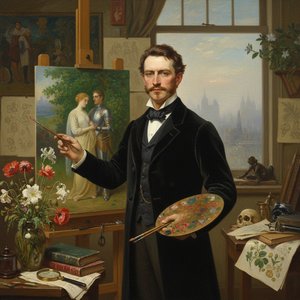
In the mid-19th century, a quiet storm was brewing within the hallowed halls of the British art establishment. While the Royal Academy of Art stood as a formidable guardian of tradition, preaching a style defined by formulaic compositions and the polished, often sterile, influence of Raphael, a group of young, idealistic souls sought something far more profound. These were the founders of the Pre-Raphaelite Brotherhood, a collective of artists who felt that the soul of art had been lost to academic artifice. They did not merely wish to change the style of painting; they wished to reclaim its very essence.
Led by luminaries such as William Holman Hunt, Dante Gabriel Rossetti, and John Everett Millais, this movement was a radical indictment of the status quo. Supported by the influential critic John Ruskin, these artists argued that the true path to beauty lay not in the sophisticated shadows of the late Renaissance, but in the sincere, vibrant, and unadorned clarity found in the art of the Middle Ages and the early Italian masters. Their rebellion was one of integrity, seeking a return to representational truth—a commitment to depicting the world with such startling precision that every leaf, every fold of fabric, and every glint of light felt palpably alive.
This era of intense change, marked by the industrialization of England and the political unrest sweeping across Europe, provided a poignant backdrop for their mission. As the modern world grew increasingly mechanical, the Brotherhood looked backward to find a way forward, attempting to anchor the fleeting moments of Victorian life in the timeless ideals of sincerity and naturalism.
Medievalism and Myth: The Enchanted Narratives of the Brotherhood
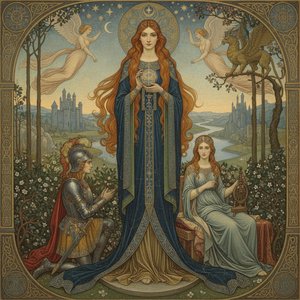
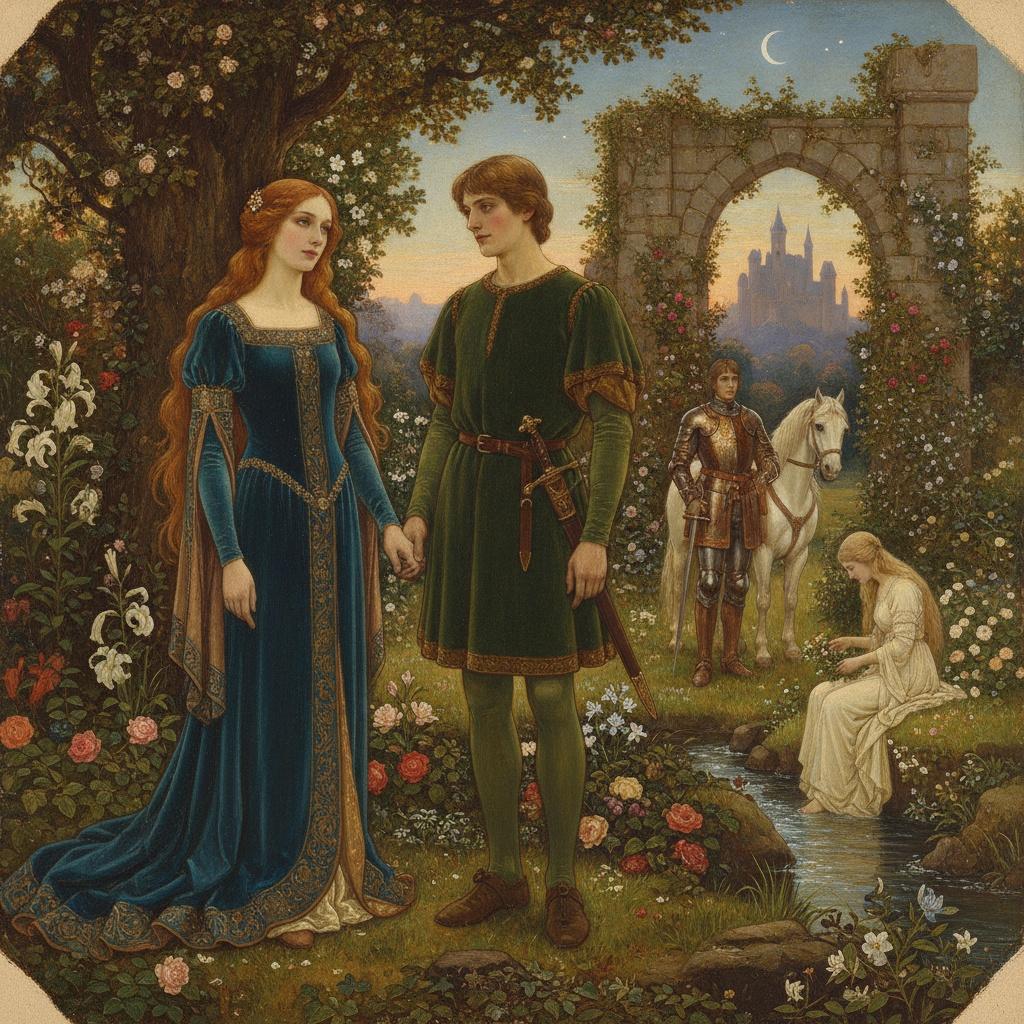
To step into a Pre-Raphaelite canvas is to step through a portal into another realm. For these artists, the Middle Ages were not merely a historical period to be studied, but a spiritual landscape to be inhabited. They drew deep inspiration from the legends of King Arthur, the tragic romances of medieval chivalry, and the haunting poetry of their era. This fascination with medieval magic allowed them to weave intricate narratives that transcended the mundane realities of the Victorian age.
Consider the evocative power found in works like Dante Gabriel Rossetti’s explorations of legendary lovers, such as Tristram and Isolde drinking the love potion. Here, the painting serves as a vessel for mythic emotion, where the weight of destiny and the intoxication of passion are rendered with a dreamlike intensity. The Brotherhood utilized these ancient stories to explore universal human experiences—love, loss, betrayal, and transcendence—cloaking them in the rich, textured aesthetics of a bygone era.
Luminous Symbolism: Decoding the Romantic Language of Rossetti and Burne-Jones
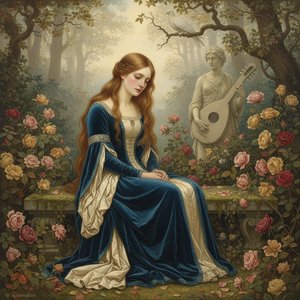
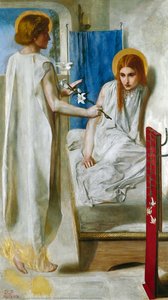
Beyond the surface beauty of their compositions lies a complex, hidden architecture of meaning. The Pre-Raphaelite style is famously steeped in symbolism, where every object, flower, or gesture serves as a carefully placed clue to a deeper emotional or spiritual truth. This was not art meant for passive viewing; it was an intellectual and sensory puzzle designed to be decoded by the observant eye.
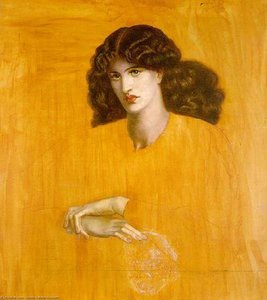
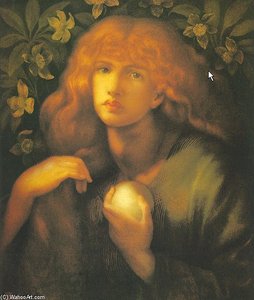
Dante Gabriel Rossetti, perhaps the most poetic of the group, mastered this symbolic shorthand. In his iconic works such as Proserpine, the presence of certain flora or the specific hue of a gemstone is never accidental; they are emblems of entrapment, seasonal change, or divine grace. His ability to blend the boundaries between poetry and painting allowed him to explore themes of love and loss with a haunting, lyrical depth that continues to captured hearts today.
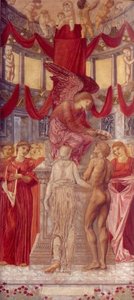
As the movement evolved, artists like Edward Burne-Jones expanded this symbolic vocabulary into even more ethereal territories. In works such as St Paul, we see how the use of intricate design and solemnity can evoke a sense of sacred mystery. The influence of Indian ink wash techniques and meticulous detail in his robes reflects a Victorian fascination with the intersection of the physical and the divine. Through this luminous symbolism, the Pre-Raphaelites transformed the canvas into a sacred space where the material world meets the metaphysical.
The Aesthetic of Detail: Radical Realism and the Natural World
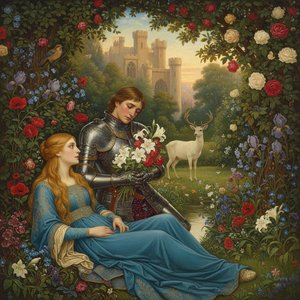
While their themes were often mythic, their execution was grounded in an uncompromising radical realism. The Brotherhood possessed an almost scientific devotion to the natural world. They rejected the broad, sweeping brushstrokes of the Academy in favor of a meticulous, hyper-detailed approach that celebrated the minute wonders of nature. To a Pre-Raphaelite, a single dewdrop on a petal or the complex texture of moss on a stone was as worthy of devotion as the face of a saint.
This commitment to detail required immense patience and a profound connection to the environment. They often painted en plein air, capturing the true colors and light of the English landscape. This precision served a dual purpose: it honored the truth of creation and provided a rich, tactile texture that made their paintings feel incredibly immersive. The viewer is invited to linger, to trace the veins in a leaf or the intricate patterns of a tapestry, discovering new layers of beauty upon every encounter.
This aesthetic was not merely about imitation; it was about reverence. By elevating the smallest details of the natural world to the status of high art, they challenged the hierarchy of subject matter. In their hands, the botanical and the biological became part of a grander, more beautiful tapestry of existence, bridging the gap between the scientific observations of the age and the romantic sensibilities of the soul.
A Lasting Legacy: How Pre-Raphaelite Magic Inspires Modern Interiors
The influence of the Pre-Raphaelite Brotherhood extends far beyond the museum walls; it lives on in the very way we curate beauty within our homes. The movement’s emphasis on rich color palettes, intricate patterns, and evocative storytelling has left an indelible mark on modern interior design. Today, collectors and enthusiasts look to these works to introduce a sense of drama, romance, and historical depth into contemporary spaces.
Integrating Pre-Raphaëlite aesthetics into a modern home is about more than just hanging a print; it is about creating an atmosphere of curated enchantment. Whether through the use of deep, jewel-toned accents inspired by Rossetti or the inclusion of large-scale, detailed landscapes that evoke the lushness of Millais, these elements allow for a sophisticated "remix" of history. The movement’s love for texture and layered meaning encourages a design approach that is both personal and profound.
As we continue to rediscover the magic of this era, we find that their pursuit of truth and beauty remains as relevant as ever. In an age of digital fleetingness, the enduring, tactile presence of Pre-Raphaelite art offers a grounding connection to the timeless. It invites us to slow down, to observe, and to find the extraordinary within the details of our own lives.
At ArtsDot.com, we share this profound passion for preserving and celebrating the masters of art history. Our mission is to make the breathtaking beauty of fine art accessible to everyone through exquisite, hand-painted reproductions. Each piece is a labor of love, meticulously crafted by skilled artists on 100% cotton canvas to capture the true soul, texture, and luminous depth of the original works. Whether you are looking to transform a personal memory into a masterpiece or seeking to bring the romantic magic of the Pre-Raphaelites into your home, our dedicated Project Coordinators and expert artists are here to guide your journey into the heart of art.