
The Allure of Bespoke: Why Commissioning an Oil Painting is More Than Just Art
For centuries, the act of commissioning a painting has been more than simply acquiring an object; it’s been a declaration of identity, a preservation of memory, and a participation in a lineage stretching back to the Renaissance masters. While the advent of mass production democratized art ownership, it also diluted something essential – the deeply personal connection forged between patron, artist, and subject. Today, a resurgence of interest in bespoke oil painting speaks to a yearning for authenticity, for works that resonate with individual narratives rather than conforming to prevailing trends. It’s an embrace of slow artistry, of meticulous craftsmanship, and of the unique power art holds when born from intentional collaboration.
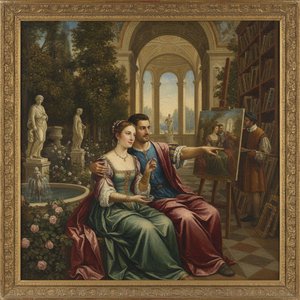
The appeal isn't merely aesthetic; it resides in the process itself. To commission a painting is to engage in a dialogue, to articulate not just *what* you wish to see depicted, but *how* you wish to feel when beholding it. This is a far cry from selecting a pre-existing canvas – it’s an act of co-creation, where your vision takes form through the skilled hands and discerning eye of an artist. Consider the portraits commissioned by the Medici family; they weren't simply likenesses but carefully constructed statements of power, wealth, and lineage. Similarly, modern commissions often seek to capture fleeting moments, cherished relationships, or deeply held beliefs – transforming personal experiences into enduring heirlooms.
From Concept to Canvas: Defining Your Vision & Collaborating with the Artist
The initial stages of a commission are perhaps the most crucial. It begins not with technical specifications but with a conversation—a shared exploration of ideas, emotions, and desired aesthetics. Identifying an artist whose style resonates with your vision is paramount. Scrutinize their portfolio; do they demonstrate proficiency in the subject matter you envision? Do their techniques align with your preferences – the loose brushstrokes of Impressionism, the meticulous realism of the Old Masters, or the bold abstraction of modern art? Once a connection is established, detailed discussions regarding composition, color palette, size, and overall mood are essential.
Providing reference imagery—photographs, sketches, even existing artworks that capture desired elements—is invaluable. A well-defined brief minimizes ambiguity and ensures the final piece aligns with your expectations. Think beyond simply replicating a photograph; consider the *feeling* you want to evoke. Do you desire a sense of warmth and intimacy? Dramatic grandeur? Subtle melancholy? The artist will then typically present preliminary sketches or digital mockups for approval, an iterative process allowing for adjustments and refinements before the actual painting commences. This collaborative spirit is key—a successful commission isn’t simply about receiving a finished product but about witnessing your vision come to life.
Materials Matter: Ensuring Longevity and Museum-Quality Results in Oil Commissions
The enduring beauty of an oil painting hinges not only on the artist's skill but also on the quality of the materials employed. Professional artists typically utilize high-grade oil paints renowned for their rich pigmentation and archival properties, offering superior lightfastness to prevent fading or discoloration over time. The canvas itself is equally important; 100% cotton canvases are favored for their durability and texture, while linen provides exceptional strength and stability—though at a higher cost. Proper priming with multiple layers of gesso creates an optimal surface for paint adhesion.
The final step, varnishing, isn’t merely cosmetic but protective. Different varnishes offer varying levels of gloss and texture; matte varnishes provide a subtle finish, while glossy varnishes enhance color saturation. Reputable artists will readily disclose the materials used in their work, demonstrating transparency and accountability. Consider this an investment—museum-quality paintings are built to last for generations, and the quality of materials directly correlates with their longevity. A painting created with inferior pigments or a flimsy canvas may appear appealing initially but is likely to deteriorate over time, diminishing its aesthetic value.
Scale, Proportion & Framing: Harmonizing Your Artwork with its Environment
The size of a commissioned oil painting should be carefully considered in relation to the intended display space. A well-proportioned artwork enhances the overall aesthetic harmony of a room, while an ill-sized piece can feel disproportionate or overwhelming. Before finalizing dimensions, measure the wall where it will be displayed and consider surrounding furniture and décor. Larger walls can accommodate more substantial canvases, while smaller spaces may benefit from more intimate proportions.
Mocking up the artwork’s size using painter's tape or cardboard cutouts provides a valuable visual representation of its impact on the room. Consider the composition; complex scenes with numerous details often require larger formats to avoid appearing cluttered. Conversely, simpler compositions may be effectively rendered on smaller canvases. Framing is equally crucial—it isn’t merely an embellishment but an integral component of the overall artwork. Traditional paintings often benefit from ornate wooden frames with gilded finishes, while modern artworks pair well with sleek metal or minimalist designs. The choice should complement both the painting's style and the surrounding décor.
The Artist's Process Unveiled: Understanding Creation & Maintaining Communication
Reputable artists will readily share updates throughout the painting process, providing collectors with opportunities to offer feedback and ensure their vision is being realized. Preliminary sketches or digital mockups allow for adjustments to composition, color palette, and overall mood before the actual painting commences. Regular progress photos provide a glimpse into the artist’s techniques and attention to detail—a fascinating insight into the meticulous craftsmanship involved.
Open communication with the artist is crucial; don't hesitate to ask questions or express any concerns you may have. A collaborative approach ensures that the final piece aligns perfectly with your expectations. Understanding the time commitment involved is also important; hand-painted oils require significant dedication, often spanning several weeks or months depending on complexity and size. This isn’t a rushed process but a deliberate act of creation—a testament to the artist's skill and passion.
Preserving Your Legacy: Caring for and Protecting Your Commissioned Masterpiece
Protecting your investment requires proper care and maintenance. Oil paintings are delicate artworks requiring careful handling and environmental control. Avoid direct sunlight, which can cause fading or discoloration over time. Maintain a stable temperature and humidity level to prevent cracking or warping. When cleaning, use a soft, dry cloth to remove dust; avoid harsh chemicals or abrasive cleaners.
Professional restoration services should be consulted for any significant damage or repairs. Proper framing with UV-protective glazing further safeguards the artwork from environmental factors. Regularly inspect your painting for signs of deterioration and address any concerns promptly. Ultimately, a commissioned oil painting is more than just an aesthetic object; it’s a legacy—a tangible expression of your personal narrative that deserves to be cherished and protected for generations to come.