
Beyond Recognition: Why Art Appreciation Matters
Art appreciation isn't about possessing encyclopedic knowledge of artists and movements; it’s about cultivating a deeper connection with visual expression. As art students, you are already embarking on this journey, but understanding *why* it matters can enrich your experience. Beyond the aesthetic pleasure, appreciating art fosters critical thinking skills – analyzing composition, interpreting symbolism, and considering historical context. It expands cultural awareness, exposing you to diverse perspectives and narratives across time and geography. Furthermore, engaging with art cultivates emotional intelligence; artworks often evoke powerful feelings, prompting introspection and empathy. Ultimately, art appreciation transforms passive observation into active engagement, enriching your understanding of the world and yourself.Decoding Artistic Movements: A Quick Tour Through History
- Renaissance (c. 1400-1600): Marked by a renewed interest in classical art and humanism. Think Leonardo da Vinci, Michelangelo, and Raphael – characterized by realism, perspective, and idealized forms. Andrea Mantegna’s 'Judith and Holofernes' exemplifies this era with its pyramidal composition and detailed rendering.
- Baroque (c. 1600-1750): Emphasized drama, grandeur, and emotional intensity. Artists like Caravaggio utilized dramatic lighting (chiaroscuro) to create powerful effects.
- Impressionism (c. 1860s-1880s): Focused on capturing fleeting moments and the effects of light. Renoir’s ‘Two Sisters (On the Terrace)’ beautifully illustrates this with its emphasis on natural light and a sense of tranquility.
- Post-Impressionism (c. 1880s-1900): Built upon Impressionism but explored more subjective and symbolic representations. Paul Cézanne’s ‘Still Life with Water Jug’ demonstrates his innovative approach to form and light, paving the way for modern art.
- Fauvism (c. 1905-1908): Known for its bold, non-naturalistic use of color. Henri Matisse was a leading figure; his ‘Still Life with a Checked Tablecloth’ showcases vibrant hues and simplified forms.
- Abstract Expressionism (c. 1940s-1950s): Emphasized spontaneous, gestural brushstrokes and non-representational imagery. Barnett Newman's 'Black Fire I' exemplifies this with its stark simplicity and profound emotional depth.
- Color Field Painting (c. 1950s-1960s): A subgenre of Abstract Expressionism, focusing on large areas of flat color to evoke emotion.
Elements of Visual Language: Composition, Color & Technique
Understanding the building blocks of art is crucial for deeper appreciation. Consider these key elements:- Composition: How the artist arranges elements within the frame. Principles like balance, symmetry, and leading lines guide the viewer's eye.
- Color Theory: The use of color to create mood, convey meaning, and establish relationships between objects. Warm colors (reds, yellows) tend to be energetic, while cool colors (blues, greens) are often calming.
- Technique: The artist’s specific methods – brushstrokes, layering, glazing – which contribute to the artwork's texture and overall effect. Observe how Cézanne built form through meticulous brushwork in his still lifes.
- Line & Shape: Fundamental elements that define forms and create visual pathways within a work of art.
- Texture: The surface quality, either real (in three-dimensional works) or implied (through paint application).
Finding Your Eye: Developing Personal Preferences and Interpretation
Art appreciation is subjective. There's no "right" way to feel about a piece. Your personal experiences, cultural background, and emotional state all influence your interpretation. Don’t be afraid to form your own opinions – even if they differ from established art historical narratives. Ask yourself: What emotions does the artwork evoke? What story does it tell? How does it relate to my own life? Franz Marc's 'The Large Blue Horses,' for example, might resonate differently with each viewer based on their connection to nature and symbolism. Embrace your unique perspective; it’s what makes art appreciation a deeply personal journey.Resources for Continued Exploration: Museums, Books & Online Platforms
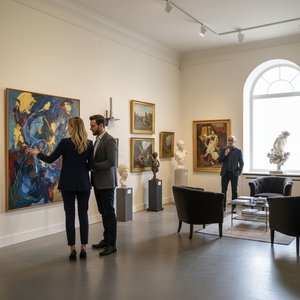
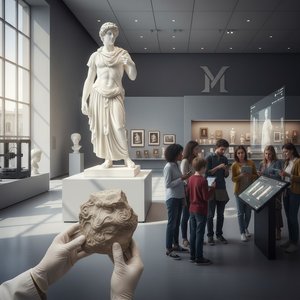
- Museum Visits: Immersing yourself in original artworks is invaluable. Take advantage of local museums and galleries.
- Art History Books: Expand your knowledge of art movements, artists, and historical contexts.
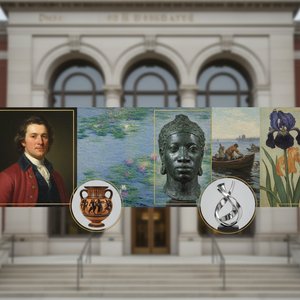
- Online Platforms (like ): Explore high-quality reproductions, artist profiles, and educational resources. Examine details in works like Theodore Clement Steele's 'Flowers 1' from the comfort of your home.
- Documentaries & Lectures: Many excellent documentaries and online lectures offer insights into art history and artistic techniques.
- Art Blogs & Magazines: Stay up-to-date on current trends and emerging artists.