
The Shattered Lens: Breaking the Renaissance Tradition of Perspective
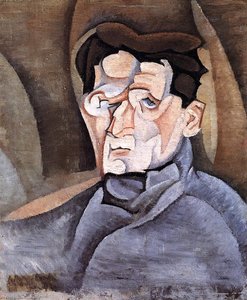
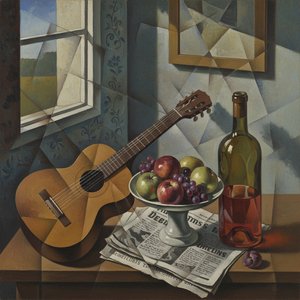
For centuries, the Western tradition of painting operated under a singular, sacred contract: the canvas was a window, and the artist’s duty was to maintain the illusion of depth through the disciplined use of single-point perspective. This Renaissance ideal provided a stable, measurable reality where every object occupied a fixed position within a coherent space. However, as the twentieth century approached, this stability began to fracture. The dawn of Cubism represented not merely a change in style, but a fundamental ontological shift in how we perceive existence. By rejecting the static viewpoint, the Cubist masters introduced a shattered lens, one that allowed for the simultaneous viewing of multiple facets of an object. This was no longer about capturing a fleeting moment in time, but about reconstructing the very essence of form through a fragmented, multi-dimensional gaze that challenged the viewer to reconstruct reality within their own mind.
Monochromatic Deconstruction: Exploring the Depth of Analytical Cubism
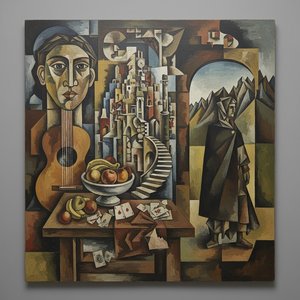
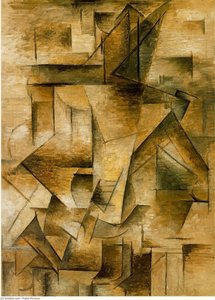
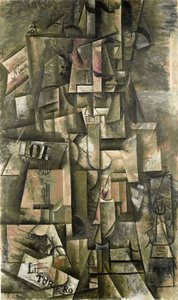
In the early phase of this revolution, known as Analytical Cubism, the focus was one of intense, almost scientific, deconstruction. Between 1908 and 1912, artists like Pablo Picasso and Georges Braque began to strip away the superfluous ornamentation of the natural world. This period was characterized by an austere, monochromatic palette—dominated by earthy ochres, greys, and muted browns—which served to prevent the distraction of color from obscuring the structural investigation at hand. The subject matter was broken down into a complex web of overlapping planes and geometric facets. Through this process, the distinction between the object and the space surrounding it began to dissolve. This intellectual rigor sought to uncover the underlying architecture of reality, presenting a vision where form was liberated from the constraints of light and shadow, replaced instead by a rhythmic, structural complexity that demanded profound cognitive engagement from the discerning collector.
The Rebirth of Texture: Synthetic Cubism and the Art of Assemblage
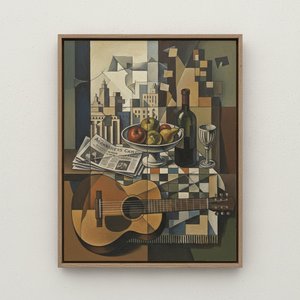
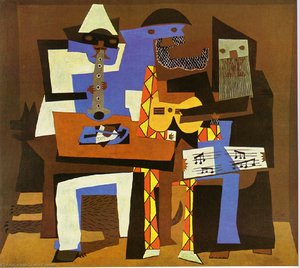
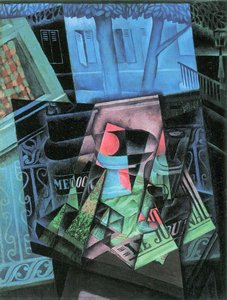
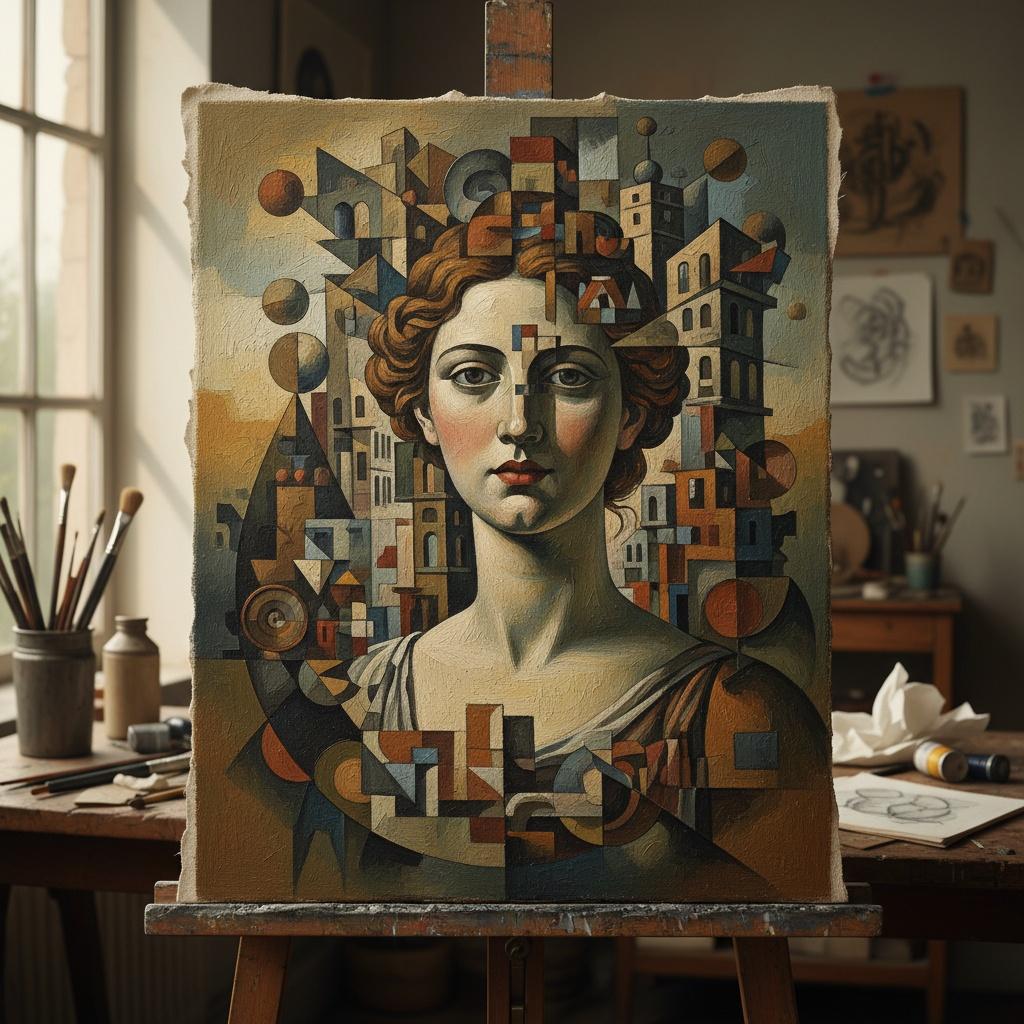
If the analytical phase was an act of subtraction, the subsequent era of Synthetic Cubism was a profound movement toward addition and texture. As the movement evolved, artists realized that they could build reality back up using entirely new materials and visual languages. This period saw the birth of assemblage and the revolutionary use of collage, where elements such as newspaper clippings, wallpaper, and sand were integrated directly into the composition. This introduction of tactile, real-world textures transformed the canvas from a mere representation into a physical object of significance. The palette expanded once more, embracing bolder, though often still controlled, tones that interacted with the rough, impasto surfaces of the paint. This era celebrated the synthetic—the ability to synthesize disparate elements into a new, cohesive whole, effectively blurring the boundary between high art and the everyday textures of modern life.
Architects of Abstraction: The Visionary Contributions of Picasso, Braque, and Gris
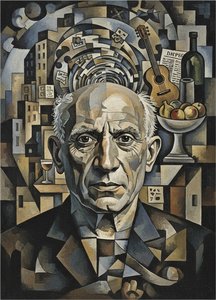
To understand the magnitude of this movement, one must look to its primary architects, whose individual brilliance forged a collective legacy. Pablo Picasso, the co-founder of Cubism, brought an unparalleled revolutionary spirit, constantly redefining the boundaries of portraiture and social commentary through his iconic, fragmented forms. Alongside him, Georges Braque provided the structural precision and poetic sensitivity that anchored the movement’s geometric explorations. Yet, it was perhaps Juan Gris who perfected the mathematical elegance of the style. His work, such as the masterful "Guitar & Music Paper," exemplifies a sophisticated use of geometric abstraction and muted tones, where every line and plane is calculated to achieve a perfect, rhythmic balance. Together, these masters utilized themes of duality and tension—much like the psychological depth found in Picasso’s "The Bird Cage"—to create a visual language that was as much about intellectual inquiry as it was about aesthetic beauty.
A Lasting Revolution: The Cubist Legacy in Contemporary Visual Language
The echoes of the Cubist revolution are felt in every corner of contemporary aesthetics, from the structural minimalism of modern architecture to the fragmented narratives of digital media. The movement’s ability to reimagine space and form has left an indelible mark on the history of human creativity, teaching us that truth is rarely found in a single perspective, but in the synthesis of many. For those who seek to preserve this profound legacy within their own collections, ArtsDot.com offers a bridge to this illustrious past. Through our meticulous, hand-painted oil reproductions, we bring the tactile depth and structural majesty of Cubist masterpieces into the modern home. Our artists employ traditional techniques—applying multiple layers of pigment to recreate the very textures and brushstrokes that defined the era—ensuring that each piece remains a living testament to the bold, transformative power of the Cubist revolution.