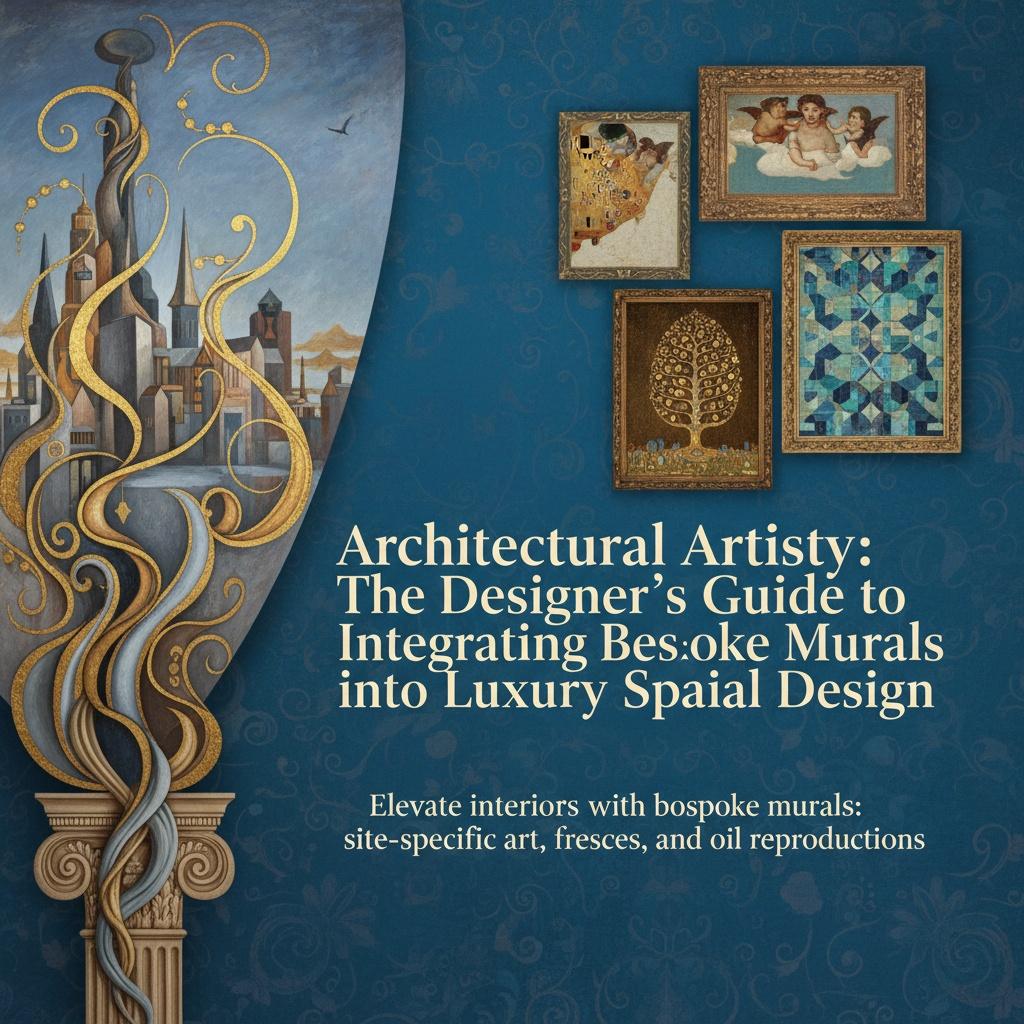
The Concept of Spatial Specificity: Defining the Narrative through Site-Specific Art
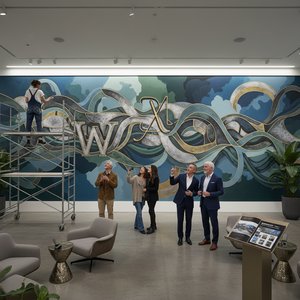
In the realm of high-end hospitality, a room is never merely a container for guests; it is a curated stage where every shadow and light beam contributes to a larger narrative. The concept of spatial specificity serves as the cornerstone of truly transformative design. When an architect or designer approaches a new commission, the objective transcends the mere placement of objects. Instead, it involves an intimate dialogue with the architecture itself. This is best exemplified by the philosophy of monumental minimalism, where art does not simply sit within a space but actively explores its form and volume. By treating a wall not as a boundary, but as a canvas for site-specific interventions, designers can anchor a hotel’s identity in a way that feels inevitable and organic.
True spatial specificity requires an understanding of how movement flows through a lobby or how light descends into a mezzanine. When art is conceived in direct response to these architectural nuances, it ceases to be an accessory and becomes a structural element of the experience. This level of intentionality ensures that the artwork resonates with the historic or contemporary setting, creating a sense of permanence and purpose that mass-produced decor can never replicate.
Beyond Decoration: The Role of Bespoke Murals in Architectural Identity
For the discerning hotel designer, the challenge lies in differentiation within an increasingly saturated luxury market. Standardized aesthetics may offer safety, but bespoke murals offer soul. A mural is a profound tool for establishing architectural identity; it acts as a visual signature that guests carry with them long after they have checked out. Unlike a framed print that occupies a void on a wall, a custom-painted mural integrates into the very skin of the building. It can echo the geometric precision of Art Deco forms or introduce the vibrant, swirling energy of urban street art, depending on the brand's ethos.
Consider the impact of a large-scale work that utilizes the structural lines of a corridor to guide the eye toward a grand entrance. Such works do more than decorate; they direct movement and evoke emotion. Whether it is a subtle, monochromatic landscape that promotes tranquility in a spa setting or a bold, abstract composition that energizes a rooftop lounge, bespoke murals provide a unique opportunity to tell a story of prestige, heritage, and modern sophistication.
Curating Texture and Depth: Integrating Impasto and Mixed Media into Interior Surfaces
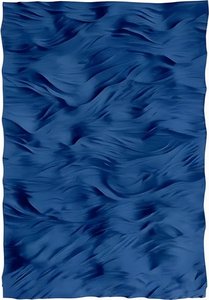
The tactile dimension of design is often the most overlooked aspect of luxury interiors. In an era dominated by smooth, digital surfaces, there is a profound longing for the tactile depth of the physical world. This is where the mastery of oil painting techniques—specifically the use of impasto—can revolutionize spatial design. When a mural features visible, three-dimensional brushstrokes and heavy layers of pigment, it interacts with the ambient lighting of a room in a dynamic way. As the sun moves across a window or as evening shadows lengthen, the texture of the painting shifts, giving the wall a living, breathing quality.
Integrating these textured elements requires a sophisticated understanding of light and shadow. A mural that utilizes premium pigments and heavy-duty canvas can mimic the richness of museum-grade masterpieces, offering a sensory experience that invites closer inspection. By introducing such physical complexity into a room, designers can break the monotony of flat surfaces, creating an environment that feels layered, opulent, and deeply human.
Strategic Scale: Utilizing Multi-Panel Compositions for Grand Atriums and Corridors
Designing for grand architectural volumes—such as soaring atriums or expansive, winding staircases—demands a mastery of scale. A single, monolithic image can sometimes feel overwhelming or disconnected from the human scale of a seating area. However, the multi-panel trend offers a sophisticated solution through the use of triptychs, quadriptychs, or even larger five-panel arrangements. This technique allows a singular, breathtaking composition to be broken into rhythmic segments that follow the architectural rhythm of the space.
Splitting an image across multiple panels creates a sense of movement and continuity. In a long corridor, these panels can act as visual milestones, guiding guests through the transition from public social zones to private sanctuaries. This approach also allows for a more nuanced integration with the surrounding architecture, as the gaps between panels can reveal architectural details or allow for the interplay of wall color and art, resulting in a cohesive, modern, and highly curated aesthetic.
The Intersection of Heritage and Modernity: Reimagable Historical Frescoes for Contemporary Hotels
There is an undeniable prestige in referencing the past. The ability to reimagine historical grandeur within a contemporary context allows designers to bridge the gap between old-world luxury and modern minimalism. One might look to the preparatory drawings of Art Deco era wall paintings or the sweeping, celestial drama of Renaissance frescoes to find inspiration. By translating these classical motifs into a modern design language—perhaps through a "period shift" where a classical subject is rendered in a contemporary, deconstructed style—designers can create spaces that feel both timeless and avant-garde.
This intersection of eras provides a rich tapestry for storytelling. A hotel located in a historic building might utilize large-format mural rolls to recreate the feeling of a ceiling fresco, bringing a sense of monumental history to a modern renovation. This technique allows for the preservation of cultural dignity while ensuring the space remains functional and aesthetically aligned with 21st-century luxury standards.
Technical Execution and Longevity: Ensuring Artistry Endures the Demands of High-Traffic Hospitality
In the high-stakes environment of luxury hospitality, durability is as critical as beauty. An art installation must be able to withstand the rigors of high-traffic areas without losing its luster. This necessitates a commitment to technical excellence in both materials and execution. The use of high lightfastness pigments, acid-free substrates, and protective varnishes—such as Damar varnish—is essential to prevent fading, yellowing, or environmental degradation caused by moisture and pollutants.
Furthermore, the logistics of installation must be seamless. Large-format murals painted on massive canvas rolls offer a practical advantage: they can be installed with the precision of high-end wallpaper but retain the unmistakable soul of a hand-painted masterpiece. When professionals prioritize both the chemistry of art and the engineering of its application, they ensure that the investment made in bespoke artistry will endure for generations, maintaining the hotel's prestige and visual splendor through decades of service.
For architects and designers seeking to realize these ambitious visions, ArtsDot.com provides an unparalleled bridge between classical mastery and contemporary spatial needs. From custom oil reproductions that bring historical textures to life to large-scale mural commissions tailored for the world's most prestigious hotels, ArtsDot specializes in transforming architectural concepts into enduring legacies of art.