The Alchemy of Layers: Understanding the Chemical Soul of Old Masterworks
 Mastering the Brush: The Timeless Secrets of Old Master Oil Painting Techniques
The Alchemy of Pigment: Understanding the Chemistry and Longevity of Oil Media To understand the enduring brilliance of a classical masterpiece, one must first look beneath the surface at the very soul of the medium: the chemistry of pigment and oil....
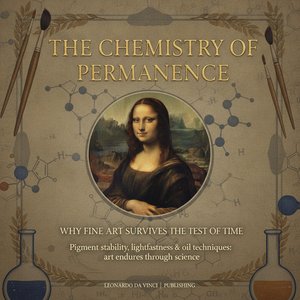
To gaze upon a classical masterpiece is to witness more than mere pigment on canvas; it is to observe a profound chemical marriage, an ancient alchemy that has defied the centuries. The enduring brilliance of an Old Master—those pre-eminent painters of Europe working before the dawn of the nineteenth century—relies heavily on the meticulous selection of stable minerals and drying oils. This delicate equilibrium was essential not only for achieving a specific hue but for ensuring lightfastness and chemical stability against the profound ravages of time. The history of art, in many ways, is a history of alchemy, where painters sought the perfect union between earthy ochres, deep ultramarines derived from precious lapis lazuli, and rich cadmiums to ensure their visions would endure.
The soul of this medium lies in its molecular transformation. Unlike water-based media that dry through simple evaporation, oil paintings undergo a slow, complex process of oxidation. As the artist applies layers of linseed or poppy oil, they initiate a biological and chemical metamorphosis where the medium absorbs oxygen to form a durable, flexible film. This structural integrity is further bolstered by the application of flexible gesso to prevent cracking and a final protective coat of Damar varnish, which shields the surface from the invisible threats of dust, moisture, and atmospheric pollutants. When we admire the luminous depth of a Renaissance portrait, we are admiring a carefully engineered architecture of light and chemistry.
Radiographic Revelations: Peering Through the Canvas with X-Ray Technology
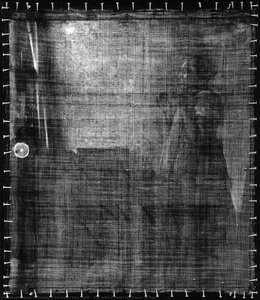 Girl with a Pearl Necklace (X-Ray)
Girl with a Pearl Necklace (X-Ray): A Glimpse Beneath the Surface This unique image presents an X-ray photograph of Johannes Vermeer's iconic "Girl with a Pearl Necklace," offering an unprecedented view into the painting’s construction and layers. It...
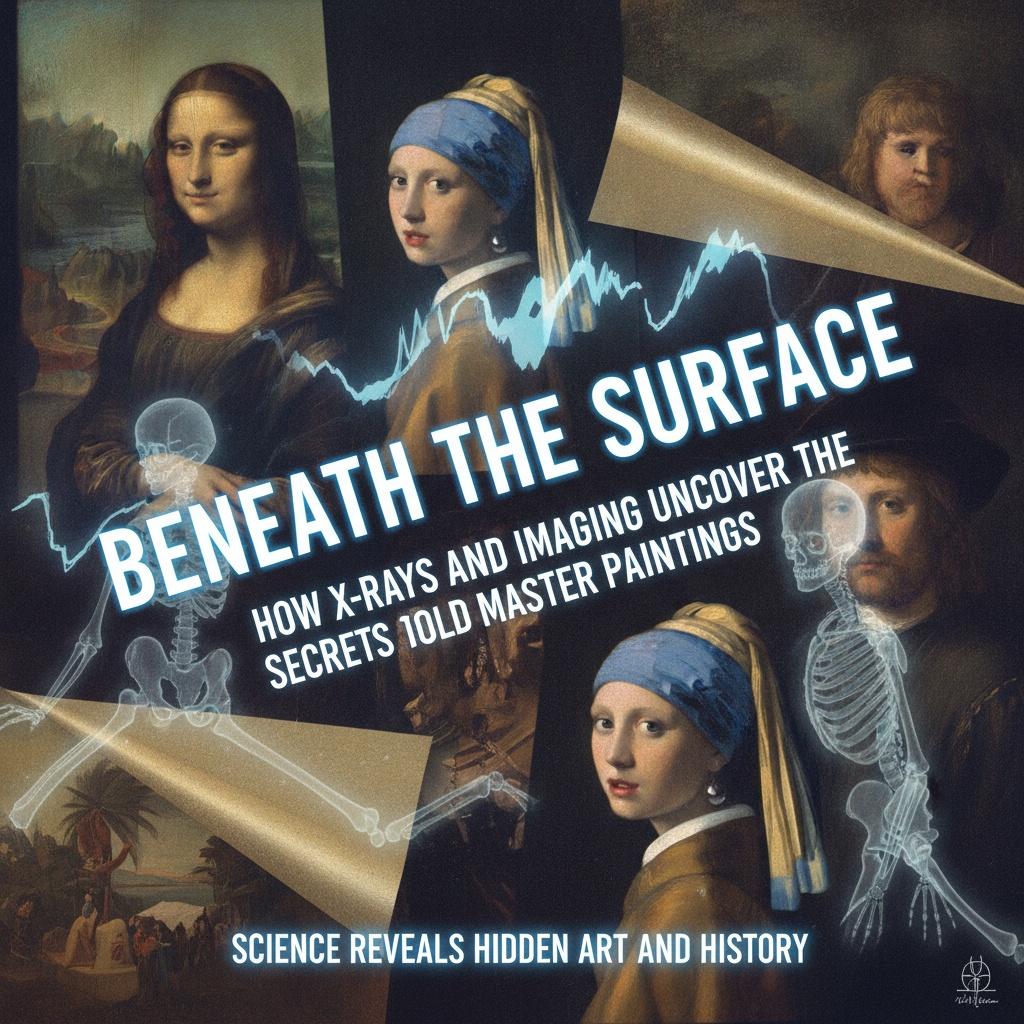
In recent decades, the boundaries of art history have expanded beyond the visible spectrum. When German physics professor Wilhelm Conrad Röntgen discovered X-rays in 1895, he captured the image of bones inside a human hand, proving that radiation could penetrate solid matter. More than a century later, art professionals are applying this same principle to uncover the brushstrokes of painted hands and hidden figures beneath the surface of easel paintings. Radiography, or projectional radiography, allows us to view the internal form of an object by detecting how much radiation is absorbed by different materials. In the context of a painting, the intensity and clarity of each material in the radiograph are determined by their ability to absorb X-rays.
This scientific lens provides an unprecedented view into the construction and layers of iconic works. For instance, an X-ray photograph of Johannes Vermeer's
Girl with a Pearl Necklace offers a glimpse beneath the surface, moving beyond the familiar beauty of the finished artwork to reveal its underlying structure. The resulting image is often strikingly monochromatic, dominated by shades of gray that highlight the weave of the canvas and the varying thicknesses of paint layers. Through this technology, linear markings and shadows become prominent, tracing the artist's original intent and revealing how a master built his composition layer by layer, providing valuable insights for historians and enthusiasts alike.
Pentimento: Uncovering the Ghostly Traces of Artistic Revision
One of the most profound secrets held within the layers of an Old Masterwork is the phenomenon known as
pentimento—the presence of an underlying image that has been painted over. Derived from the Italian word for "repentance," pentimento represents the ghostly traces of artistic regret and revision. As an artist works, they may decide to shift a limb, alter a facial expression, or remove a secondary figure entirely. While these changes are hidden from the naked eye by subsequent layers of glaze and pigment, X-ray technology renders them visible once more, allowing us to peer over the artist's shoulder during the moment of creation.
These hidden alterations offer a window into the creative struggle, revealing that even the most seemingly effortless masterpieces were often products of intense deliberation and change. When we see a figure repositioned or a landscape subtly altered through radiographic analysis, we are witnessing the living process of art. These "hidden truths" transform our understanding of a painting from a static object of beauty into a dynamic record of human decision-making, where every stroke is a testament to the artist's evolving vision and their pursuit of perfection.
The Anatomy of a Masterpiece: Deciphering Pigments, Primers, and Supports
 Secrets Beneath the Surface: How X-Rays Reveal the Hidden Truths of Masterpiece Paintings
The Alchemy of Layers: Understanding the Composition of Old Masterworks Mastering the Brush: The Timeless Secrets of Old Master Oil Painting Techniques The Alchemy of Pigment: Understanding the Chemistry and Longevity of Oil Media To understand the e...
To truly understand the longevity of a classical masterpiece, one must examine its very anatomy—the material bones that support the aesthetic flesh. The material "bones" of a painting, comprised of paint, canvas, and wooden frames known as stretchers or strainers, are all visible through radiographic analysis. The density of these materials dictates how they appear under X-ray; while organic compounds like alizarin red and indigo blue become nearly transparent, pigments rich with metallic elements, such as lead white, appear as brilliant, stark whites. This contrast allows researchers to map the distribution of heavy pigments across the surface.
The structural integrity of the work also depends on the preparation of the support. The application of specific oils, such as safflower for lighter tones to prevent the dreaded yellowing effect, is a hallmark of academic excellence. Furthermore, the use of specialized primers and gesso layers ensures that the canvas remains receptive to the heavy impasto or delicate glazes applied later. By deciphering this anatomy, we gain a deeper appreciation for the technical mastery required to create works that do not merely exist in the present, but actively resist the decay of centuries.
Modern Science Meets Classical Beauty: The Future of Art Conservation and Authentication
The intersection of modern science and classical art has ushered in a new era of authentication and conservation. As we develop more advanced techniques, such as computed tomography (CT scanning), which allows for three-dimensional reconstructions of an artwork's internal structure, our ability to verify the provenance and authenticity of a piece becomes increasingly precise. These technological advancements do not diminish the magic of the art; rather, they enhance our reverence for it by stripping away the mystery of its construction while adding layers of scientific certainty.
As we look toward the future, the synergy between the laboratory and the studio will continue to grow. The ability to analyze the molecular transformation of oils and the chemical stability of pigments ensures that we can preserve these treasures for generations to come. For the discerning collector, this marriage of technology and tradition provides a renewed sense of confidence in the enduring value of the Old Masters, ensuring that the profound beauty of the past remains vibrant and accessible in our modern world.
About ArtsDot.com
ArtsDot.com is the global flagship for premium art reproductions and professional art services. Since 2004, we have been dedicated to making the Old Masters accessible to a sophisticated global audience through meticulous, hand-painted oil reproductions on 100% cotton canvas. Our artists, selected from the top 5% of applicants, hold degrees from prestigious Fine Arts academies and specialize in recreating the authentic textures, brushstrokes, and tonal ranges of history's greatest creators. Whether you are seeking a bespoke portrait from a personal photo or a large-scale mural for a luxury hotel, ArtsDot provides an unparalleled service backed by a 100% satisfaction guarantee and global logistics expertise. Explore our vast library of over 465,000 paintings and experience the intersection of historical heritage and modern excellence.