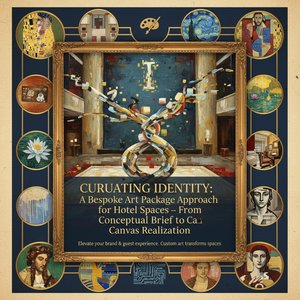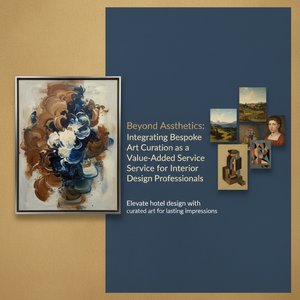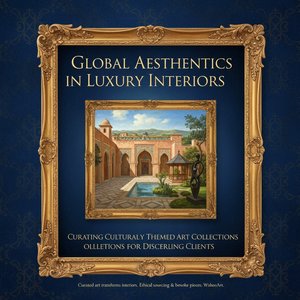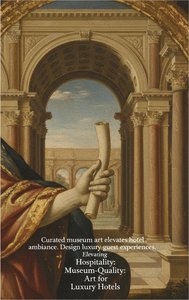
The Curated Atmosphere: Moving Beyond Aesthetic Ornamentation
In the rarefied world of luxury hospitality, the distinction between a mere place of repose and a true destination lies in the invisible threads of emotion that bind a guest to a space. For the discerning hotel designer, the challenge has moved far beyond the superficiality of color palettes or the selection of fine textiles. We are no longer merely decorating rooms; we are composing atmospheres. When art is treated as an afterthought—a secondary layer of ornamentation applied once the architecture is complete—it remains silent. However, when art is integrated as a primary design driver, it begins to speak, transforming a sterile corridor into a curated journey.
True luxury is found in the unexpected depth of a space. It is found in the way a heavy, impasto brushstroke catches the light of a sunset in a lounge, or how the textured surface of an oil reproduction invites a moment of pause. To move beyond decoration is to embrace the role of the curator, selecting pieces that do not just fill a void but actively shape the psychological landscape of the guest. This transition from ornament to essence is what separates a high-end hotel from a cultural landmark.
Architectural Narratives: Art as the Soul of Hospitality Design
Architecture provides the bones of a hotel, but art provides its pulse. A truly masterful design utilizes art to narrate the history and intent of the structure itself. Consider the profound impact of the Grand Hotel Campo dei Fiori, where the intricate ironwork and Art Nouveau flourishes by Giuseppe Sommaruga do not merely sit within the building; they are inseparable from its identity. In such spaces, the line between the structural and the aesthetic dissolves, creating a seamless narrative of Italian Liberty style that resonates through every carved detail.
For the modern designer, this means viewing every wall as a canvas for storytelling. Whether it is a subtle nod to the Bauhaus influence seen in early 20th-century architectural studies or a bold, large-scale mural that echoes the local landscape, art serves as the connective tissue between the physical environment and the human experience. When we design with the intention of creating a narrative, we allow the guest to inhabit a story, making their stay not just a transaction, but a memorable chapter in their own personal history.
The Power of Provenance: Integrating Historical Masterpieces into Modern Luxury
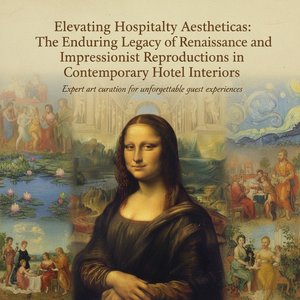
There is an undeniable prestige in the presence of the Old Masters. Incorporating the aesthetics of historical greatness allows a contemporary hotel to borrow from the weight of centuries. The integration of fine art reproductions—works that capture the light-drenched essence of Monet or the dramatic chiaroscuro of Rembrandt—lends an immediate sense of permanence and legitimacy to a new development. This is not about mere imitation, but about the strategic use of historical prestige to anchor modern luxury.
By utilizing high-quality, hand-painted oil reproductions, designers can introduce the tactile depth and tonal range of museum-grade art without the logistical complexities of acquiring original antiquities. The visible brushstrokes and the rich, layered pigments of a cotton canvas reproduction offer a sensory richness that digital prints simply cannot replicate. This infusion of provenance allows a hotel to feel established, as if it has always been a part of the cultural fabric, providing guests with a sense of continuity and timelessness that is essential for luxury branding.
Immersive Environments: From Gallery-Inspired Lobbies to Bespoke Murals
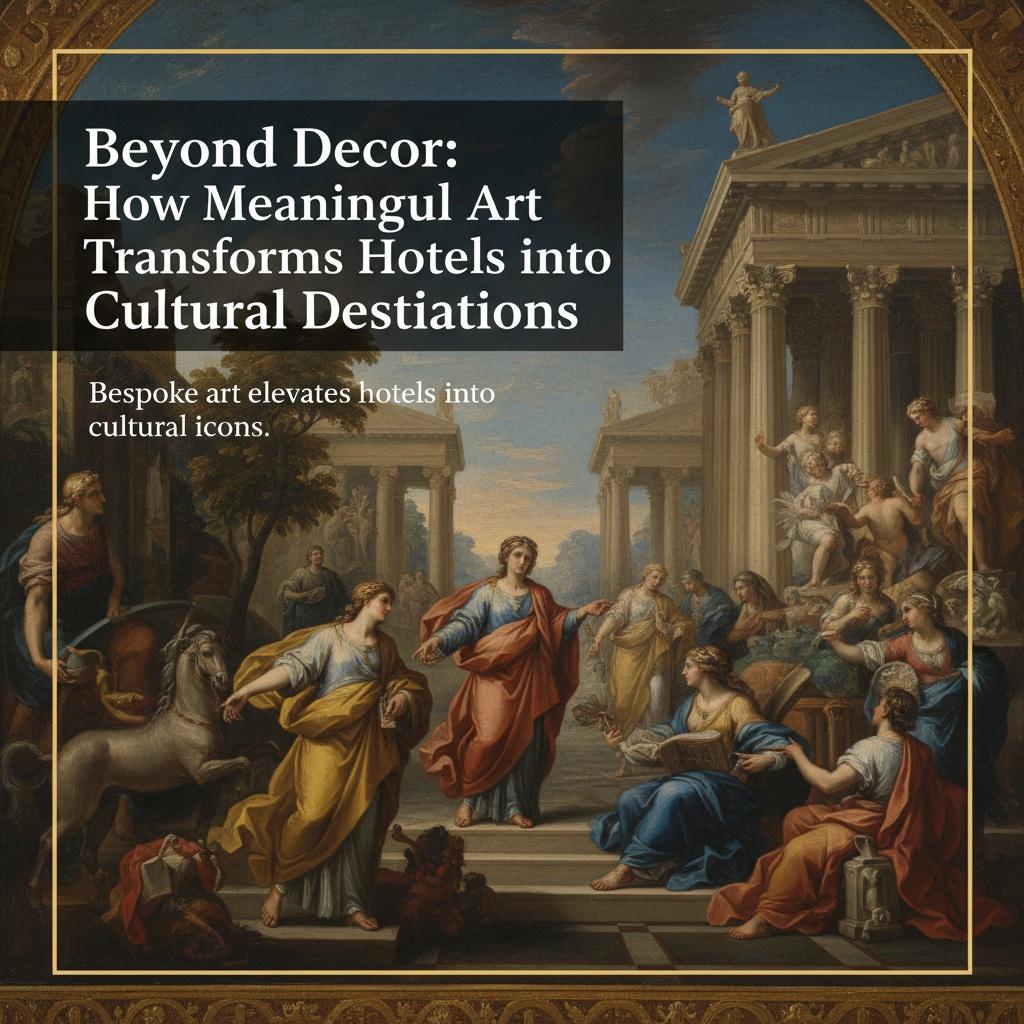
The lobby of a premier hotel should function less like a waiting area and more like a private gallery. This immersive approach requires a departure from the standard and an embrace of the bespoke. Large-format murals and ceiling frescoes can redefine the very volume of a room, turning a high-ceilinged atrium into a breathtaking sky of Renaissance-inspired beauty. These works, painted on massive canvas rolls, allow designers to recreate historical grandeur with a precision that mimics the Sistine Chapel, providing an awe-inspiring focal point that commands attention.
Furthermore, the trend toward multi-panel compositions offers a modern architectural solution for expansive walls and grand staircases. By splitting a single, cohesive image across three, four, or even five panels, the designer can create a rhythmic, contemporary flow that guides the eye through the space. This technique breaks the monotony of large surfaces and introduces a dynamic energy, ensuring that every corner of the hotel offers a new perspective and a fresh moment of discovery.
The ROI of Emotion: Building Brand Loyalty Through Cultural Identity
From a commercial perspective, the investment in meaningful art is an investment in brand equity. In an era of hyper-competition, hotels must differentiate themselves through a unique cultural identity. A hotel that presents itself as a patron of the arts becomes a destination for a specific demographic: the culturally curious traveler. This guest does not just seek a bed; they seek inspiration. By curating an environment that celebrates human creativity, a property fosters deep emotional connections that translate into long-term loyalty and organic, social-media-driven visibility.
The return on investment is found in the "Instagrammable" moment—not as a superficial gimmick, but as a genuine reaction to beauty. When a guest captures the interplay of light on a custom portrait or the grandeur of a bespoke mural, they are sharing the hotel's soul with the world. This organic promotion, rooted in authentic aesthetic experience, is far more powerful than any traditional marketing campaign. Art transforms a stay into an identity, making the hotel a part of the guest's own cultural repertoire.
Strategic Curation: A Guide for the Visionary Hotel Designer
As we look toward the future of hospitality design, the role of the designer must evolve into that of a visionary curator. This requires a sophisticated understanding of both art history and modern technology. The ability to "remix" history—to take a contemporary photograph and reimagine it through the impasto style of Van Gogh or the Cubist lens of Picasso—offers unprecedented creative freedom. It allows for a bespoke approach where the art is perfectly tailored to the specific color palette and architectural rhythm of the project.
Success in this endeavor requires meticulous attention to detail, from the chemistry of the materials used in oil paintings to ensure longevity, to the logistical precision of global installation. For professionals managing large-scale projects, the ability to collaborate with specialists who understand the nuances of scale, texture, and light is paramount. Ultimately, the goal is to create spaces that are not merely seen, but felt—environments where every brushstroke serves to elevate the human spirit and redefine the very essence of luxury.
ArtsDot.com stands at the intersection of tradition and innovation, providing professional designers with the tools to execute these visionary concepts. From hand-painted oil reproductions and large-scale murals to custom AI-restyled masterpieces, we offer a global platform for bringing unparalleled artistry to the world's most prestigious hospitality projects.