

The Curated Lobby: Establishing Brand Identity Through Large-Scale Artistry
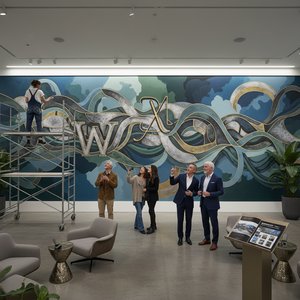
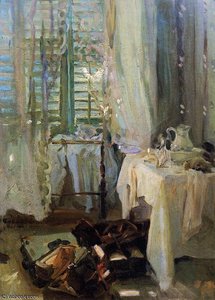
In the realm of luxury hospitality, the lobby serves as much more than a mere point of transition; it is the threshold of a brand’s soul. For the discerning hotel designer, the challenge lies in transcending the ephemeral nature of modern travel to create a sense of permanence and prestige. This is achieved not through generic ornamentation, but through the strategic deployment of large-scale artistry that commands attention and dictates atmosphere. When a guest enters a space defined by a monumental canvas or a sweeping fresco, they are immediately enveloped in a curated narrative that speaks of sophistication and intentionality.
The power of large-scale art lies in its ability to act as an anchor for the entire interior concept. A single, breathtaking work can harmonize disparate textures—the cold marble of a reception desk, the warmth of velvet upholstery, and the industrial edge of steel accents—into a cohesive visual language. By treating the lobby as a gallery space, designers can establish a high-concept brand identity that resonates long after the guest has checked out. This level of curation signals to the world that the establishment is not merely a place of lodging, but a bastion of culture and refined taste.
Beyond Decor: Leveraging Local Heritage to Create Immersive Guest Narratives
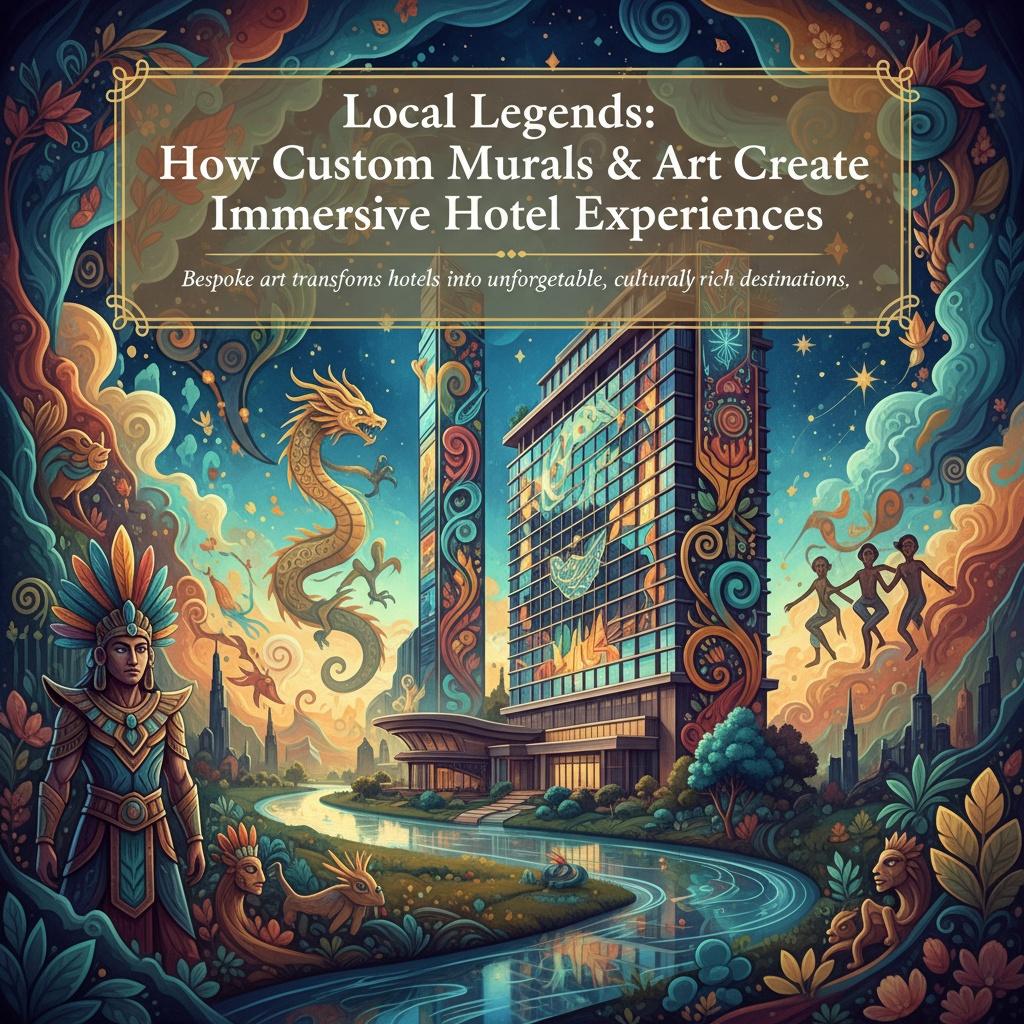
True luxury in the contemporary era is increasingly defined by authenticity and a deep connection to place. The most successful hotels are those that move beyond being "anywhere" to becoming "somewhere." This transformation is facilitated through the integration of local legends and historical motifs into the very fabric of the building. By commissioning works that celebrate regional folklore, indigenous symbols, or local historical milestones, designers can weave a tapestry of storytelling that honors the surrounding community.
Consider the profound impact of murals that utilize local iconography to evoke a sense of belonging. Whether it is the vibrant, symbolic richness found in Chicano-inspired folk art or the monumental historical narratives seen in mid-century Romanian masterpieces like Genesis, these works serve as cultural bridges. They invite guests to participate in the local story, turning a standard stay into an educational and emotional journey. When art reflects the heartbeat of its location, the hotel ceases to be a transient structure and becomes a living landmark, deeply rooted in the heritage of its landscape.
Architectural Alchemy: The Impact of Custom Murals on Spatial Perception and Flow
Art possesses a unique architectural agency; it has the power to manipulate the perceived dimensions of a room. For designers working with challenging layouts or vast, cavernous atriums, custom murals act as a form of architectural alchemy. A well-placed mural can create an illusion of depth, pulling the eye toward a distant horizon and making a compact lounge feel expansive. Conversely, intricate, textured works can soften the harsh lines of modern minimalism, providing a sense of intimacy and enclosure in large, open-plan corridors.
From Transient Stay to Cultural Landmark: Case Studies in Artistic Destination Branding
The transition from a mere hotel to a cultural destination is often marked by the presence of art that is discussed in much the same way as fine museum collections. We see this phenomenon in properties where the walls themselves are the primary attraction. When a hotel becomes home to significant contemporary street art or meticulously executed historical reproductions, it attracts a new demographic: the art enthusiast and the cultural traveler. These guests do not just seek comfort; they seek inspiration.
In these instances, the art functions as a destination in its own right. A hotel that hosts rotating exhibitions or permanent large-scale commissions becomes a node in the global art circuit. This branding strategy creates a powerful multiplier effect for marketing and prestige. The property is no longer competing solely on the basis of room rates or amenities, but on the strength of its cultural contribution to the city. Through this lens, the hotel designer becomes a curator of experiences, building a legacy that transcends the hospitality industry.
Strategic Implementation: Integrating Bespoke Commissions into Luxury Hotel Design
Integrating bespoke commissions into a high-end design project requires a sophisticated understanding of both aesthetics and logistics. It is a process of meticulous planning, where the art must be considered alongside lighting, acoustics, and material durability. The most successful implementations are those where the artwork feels as though it grew organically from the architectural blueprint. This requires close collaboration between the designer, the architect, and the master artists who will bring the vision to life.
The complexity of these projects often demands advanced technical solutions, such as the use of massive canvas rolls or engineered multi-panel layouts that can span entire staircases or wide corridors. The goal is a seamless execution where the brushstrokes and tonal ranges are perfectly calibrated to the hotel's color palette. When executed with precision, these custom commissions do more than decorate; they elevate the entire structural environment, ensuring that every corner of the property reflects a commitment to unparalleled excellence and timeless beauty.
ArtsDot.com stands at the intersection of tradition and innovation, providing the expertise required for such ambitious artistic endeavors. From large-format murals and ceiling frescoes to bespoke oil reproductions that can "remix" art history, we support designers in realizing their most complex visions. With a global network of academy-trained artists and a dedicated Project Coordination service, we ensure that every commission meets the rigorous standards of the world's finest luxury hotels.